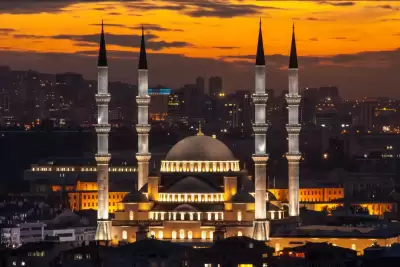
The War of Independence Museum, located in Ankara Ulus, is the historic building where the Grand National Assembly of Turkey first convened in 1920. Built in 1916, the structure exhibits War of Independence documents and period artifacts.
This two-story building, standing close enough to step onto Ulus Square in Ankara's Altındağ district, is perhaps the most tangible witness to the founding story of the Republic of Turkey. The building was constructed in 1916 for the Committee of Union and Progress; however, the course of history carried it to a much greater role. On April 23, 1920, the first assembly, convened under the leadership of Mustafa Kemal Atatürk, organized the rebirth of an occupied country within these walls.
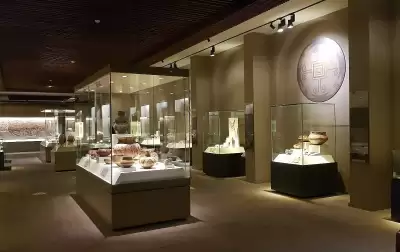
The most striking architectural feature of the structure is the Ankara stone used on its facade. This yellowish cut stone adds both the spirit of the era and a unique, simple beauty native to Anatolia to the building. Inside, arranged as a museum, mausers belonging to deputies, İstiklal Medals, salary documents, identity cards, and personal belongings are exhibited. Each display case reveals the people of that period and their struggle. When visited together with the adjacent Republic Museum (Second Grand National Assembly Building), a comprehensive picture of Turkey's founding process emerges.
Related discoveries: Places to visit in Ankara, Historical Places, Historical places in Ankara, Wonderland.
Guide's Note

The War of Independence Museum in Ankara Ulus encompasses the First Grand National Assembly building, which directly witnessed the founding process of the Republic of Turkey. Visitors state that they feel the historical weight of the place as soon as they step inside. Especially the original benches in the assembly hall leave a strong emotional impact on many people; both sadness and pride are experienced simultaneously, it is expressed.
The exhibited documents, artifacts, and the preserved structure of the building generally receive appreciation. It is conveyed that a chronological narrative is presented regarding the period before the establishment of the assembly and the relocation process, making it possible to concretely grasp the conditions of the era. In terms of transportation, its proximity to Ulus Square and the presence of the Second Grand National Assembly building right below it stand out as practical advantages. Free entry with Museum Pass is emphasized by multiple visitors.
While all comments from the last six months are positive, these comments predominantly reflect general impressions; detailed feedback on exhibition contents, guided services, or visiting conditions remains quite limited. No notable complaints were found; however, one visitor mentioned that they could not visit the museum due to lack of time.
History and Significance of the Building
Built in 1916 for the Committee of Union and Progress, this structure quickly became the center of the liberation movement in Anatolia. Representatives from all over Anatolia, at Mustafa Kemal's call, gathered here on April 23, 1920, and established the Grand National Assembly of Turkey. From this date until 1924, legislative activities continued in this building.
The building was not merely a meeting place; it was a symbolic area where an occupied nation re-declared its sovereignty. Critical decisions of the War of Independence were made here, and commanders were directed to the fronts from here. Today, the structure, converted into a museum, still conveys the heavy atmosphere and determination of that period.
When to Visit?
While the museum is open to visitors throughout the year, special programs are organized during certain periods. Around April 23rd National Sovereignty and Children's Day, the museum hosts special events; crowds can be expected on these dates. For a quiet visit, it is best to prefer weekday mornings.
Visitor density decreases in winter months, offering a more relaxed opportunity to examine the exhibits. In summer, considering Ankara's heat, it is advisable to visit the museum early in the morning. Checking current opening hours from the official website or social media accounts before your visit is a good habit; schedules may vary on some special days.
How to Get There?
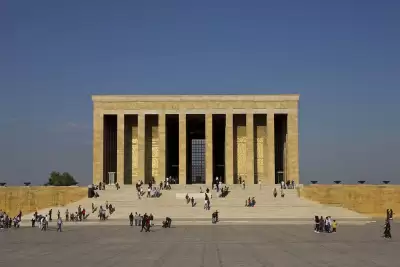
The most practical way to reach the museum is by the Ankara Metro M1 line. After getting off at Ulus station, you can reach the building by walking approximately 5-7 minutes along Cumhuriyet Boulevard. The Atatürk statue in Ulus Square can be used as a landmark; the museum is very close to the square.
For those coming by bus, many lines stop at Ulus. If you are coming by car, you may need to use paid parking lots in the vicinity; parking in the Ulus area can sometimes be difficult. If you plan to visit the adjacent Republic Museum on the same day, bringing a car is not necessary as both venues are within walking distance.
Suggested Route: A Historical Walk in Ulus
The War of Independence Museum, when combined with other historical sites in the Ulus area, can turn into a full day. Starting from the Atatürk Statue in Ulus Square in the morning and moving to the War of Independence Museum is a logical starting point. Afterwards, the adjacent Republic Museum (Second Grand National Assembly Building) can be visited.
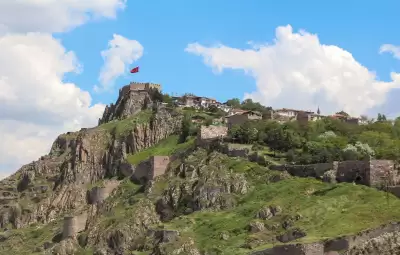
In the afternoon, you can continue by walking to nearby points such as Ankara Castle and the Museum of Anatolian Civilizations. This route allows you to experience both the Ottoman and Republican historical layers of Ankara in a single day. Considering the walking distances, it is possible to complete this route at a comfortable pace.
Photo Spots
The most impressive view of the building from the outside is its facade covered with Ankara stone. Especially in the morning light, the yellowish stones catch a beautiful hue. Photos taken from in front of the entrance gate offer an ideal angle to reflect the historical character of the structure.
Inside, the rostrum of the general assembly hall and the area with the deputies' benches are among the best photo spots for conveying the atmosphere of the period. The İstiklal Medals and historical documents in the display cases also offer interesting objects for detailed photography. Remember to adhere to museum rules regarding flash usage.
Things to Know Before Your Visit
Before entering the museum, clarify your ticket or Museum Pass status; Museum Pass holders can save time in the ticket queue. Since the building is two-story and historical, using wheelchairs or strollers may be difficult due to stairs and narrow corridors; it would be beneficial to inquire about this in advance.
If you plan to visit the adjacent Republic Museum as well, you should allocate at least half a day. Since photography rules may vary from one area to another within the museum, it is a good habit to ask the staff. Keep in mind that opening hours may change on public holidays and especially during the week of April 23rd.
What to Eat and Where to Go Nearby?
The Ulus area hosts some of Ankara's oldest artisan restaurants. Small eateries serving home-cooked meals can be found in Ulus Bazaar, a short walk from the museum exit. Choosing such places for lunch is both budget-friendly and satisfying in terms of local flavors.
For Ankara's unique Ankara tava or a classic Turkish breakfast, the long-established businesses in the region can be a good option. After completing your museum visit, it is also possible to go to Kızılay or Çankaya for a wider range of dining options.
War of Independence Museum (First Grand National Assembly Building) Videos
War of Independence Museum (First Grand National Assembly Building) videos load when you open this section to keep the page fast.
Show videos
FAQ

Updated: