Tut Grand Mosque is an Ottoman-era mosque located in Avniye Neighborhood, Tut district of Adıyaman, built by Hacı Hasan in 1736. With its fine cut stone masonry and the historical inscription on its minaret, it is one of the important religious structures of the district.
Tut Grand Mosque is a deeply rooted Ottoman structure located in Avniye Neighborhood, in the center of Tut district, which is part of Adıyaman province. According to the construction inscription at the base of the minaret, the mosque was built by Hacı Hasan in 1736-37 (Hijri 1149). Some local sources also state that the structure dates back to an earlier period, 1634; this indicates that the mosque underwent repairs and renovations in different periods.
The structure was built using fine cut stone and reflects the simple and functional lines of the region's traditional Ottoman religious architecture. The minaret inscription serves as a primary source for dating the mosque and adds a unique documentary value to the structure. Since Tut is a deeply rooted settlement established at the foothills of the Southeastern Taurus Mountains, the mosque is important not only as a religious place but also as a tangible part of the district's historical memory.
Related discoveries: Places to visit in Adıyaman, Historical Places, Historical places in Adıyaman, Tomb of Prophet Uzeyir.
Guide's Note

Tut Grand Mosque attracts visitors as a historical building intertwined with the green texture of the district, featuring a well-maintained garden. The fact that it emerged undamaged from the February 6 earthquake is also shared as a noteworthy detail regarding the structure's robustness.
The natural environment around the mosque is positively received by visitors. The district's unique mulberry trees and fresh air make it a pleasant stop beyond just a place of worship. Satisfaction with the general atmosphere of the district is also frequently mentioned in comments.
However, some feedback regarding the common areas near the mosque is also noticeable:
- It is stated that environmental arrangements and landscaping efforts are insufficient, and seating areas need to be better maintained.
- It is emphasized that improvements are needed in lighting and green area arrangements.
- Since most of the comments are from a few years ago, it is difficult to make a definitive assessment of the current state of the place; it is recommended to get up-to-date information before visiting.
Best Time to Visit
The ideal times to visit Tut Grand Mosque are during spring (April-May) and autumn (September-October). During these seasons, the Tut district, located at the foothills of the Southeastern Taurus Mountains, enjoys a mild climate; neither the oppressive heat of summer nor the cold of winter will bother you. If you come in the early morning or late afternoon, you can explore the interior of the mosque in a calmer environment and photograph the cut stone facade in natural light. Keep in mind that you may encounter intense interest from the local community during Friday prayer times.
How to Get There
The most practical way to reach Tut district is to depart from Adıyaman city center. Regular minibus services operate from Adıyaman to Tut, and the journey takes approximately 40-45 minutes. For those coming by private car, there is a comfortable driving experience along the asphalt road to Tut district center. Since the mosque is located in Avniye Neighborhood in the district center, it can be easily found on foot after reaching the center. Adıyaman can be reached by flight via Adıyaman Airport or by bus connection via Malatya or Gaziantep.
History and Architectural Features
Tut Grand Mosque was built in 1736-37 (1149 according to the Hijri calendar) by a philanthropist named Hacı Hasan. This information is directly obtained from the construction inscription carved into the base of the minaret; therefore, it is a highly reliable primary source for dating. Some local sources also state that the structure dates back to 1634; this suggests that the mosque may have been built on or in place of an original structure, or that it underwent extensive renovations in different periods.
The structure was built using fine cut stone. This technique reflects the traditional construction approach that became widespread during the Ottoman period, especially in the inner and southeastern regions of Anatolia. The general appearance of the mosque exemplifies a simple and functional understanding of Ottoman religious architecture; instead of ornamental elements, material quality and proportional mass composition come to the forefront.
Photography Spots
Tut Grand Mosque offers several striking points for architectural photography. The base of the minaret and the inscription on it are valuable for close-up shots as they bear historical significance. The cut stone facade of the mosque, especially in the morning light, clearly reveals the texture and color transitions of the stone. General view photographs taken from the courtyard or surrounding square are ideal for reflecting the structure's relationship with the district's fabric. It is possible to capture the minaret and the mosque body in the same frame with a wide-angle lens.
What to Eat Nearby
Tut district hosts small artisan restaurants offering the simple and delicious dishes of Adıyaman cuisine. In the region, it is possible to find Adıyaman-specific delicacies such as liver kebab, lahmacun, and katmer in small artisan restaurants and coffee houses. Çiğ köfte, an indispensable part of Adıyaman cuisine, can also be easily found in buffets in the district center. If you time your visit for lunchtime, you can enjoy a home-cooked meal at the district's restaurants offering daily menus.
Suggested Itinerary: Tut and Adıyaman Historical Heritage
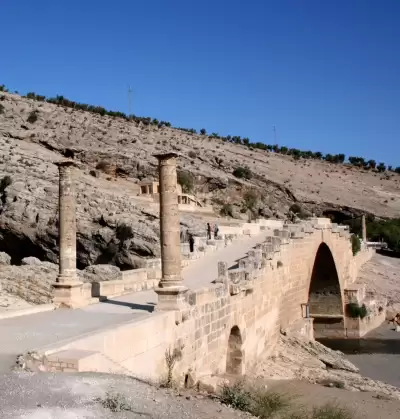
You can create a meaningful cultural itinerary by combining Tut Grand Mosque with other historical structures in Adıyaman. Start your day with the Adıyaman Grand Mosque in Adıyaman city center, then proceed to Tut district to visit Tut Grand Mosque. Since Tut is established at the foothills of the Southeastern Taurus Mountains, the natural landscape around the district adds extra value to the trip. For those who want to see the panorama of the Southeastern Taurus Mountains, a short walk to high points at the district exit can also be added to the itinerary. On the way back to Adıyaman, stops belonging to the region's ancient heritage, such as the Cendere Bridge, can also be included in the visit list.
Things to Know Before Visiting
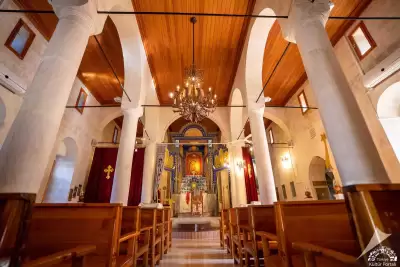
Tut Grand Mosque is an active place of worship; therefore, it is necessary to adopt a quiet and respectful attitude during your visit. Since there may be people praying inside the mosque during prayer times, it is recommended to be careful when taking photographs. When entering the mosque, you are required to take off your shoes; female visitors are expected to cover their heads. Since Tut district is a small settlement, there are no large shopping centers or hotels; it is more practical to plan accommodation in Adıyaman city center.
FAQ
Tut Grand Mosque videos load when you open this section to keep the page fast.
Updated: