Mount Nemrut Archaeological Site is a UNESCO World Heritage site located at an altitude of 2,134 meters in the Kahta district of Adıyaman, featuring god and king statues from the 1st century BC Commagene Kingdom. There is an entrance fee, and it is ideal for visiting between May and October.
Mount Nemrut Archaeological Site is one of the world's most impressive archaeological sites, known for its colossal stone statues built by King Antiochus I of Commagene in the 1st century BC, which still stand today. Located within the borders of Adıyaman's Kahta district, 2,134 meters above sea level, the site was inscribed on the UNESCO World Heritage List in 1987. The god heads lined up on the east and west terraces, along with the artificial tumulus, constitute the most striking legacy of the Hellenistic period in Anatolia.
Guide's Note

The Story of Nemrut: A King's Desire to Be Close to the Gods
King Antiochus I of Commagene, who reigned between 69-34 BC, had this magnificent tumulus and the surrounding sacred area built in his name, with the aim of being equated with the gods after his death. The artificial stone mound at the summit is known as a tumulus and is believed to contain Antiochus's tomb; however, the burial chamber has not yet been archaeologically discovered.
The site was first introduced to the modern world in 1881. Since then, Nemrut has been the scene of many archaeological studies, and in 1987, it was inscribed on the UNESCO World Heritage List, taking its rightful place in the international arena. Although the colossal heads of Zeus, Apollo, Tyche, Heracles, and Antiochus, lined up on the east and west terraces, have fallen from their bodies over the centuries, they offer visitors an extremely impressive atmosphere in their new positions.
Best Time to Visit
The most suitable period to visit Nemrut is between May and October. During these months, the roads are open, the weather is generally favorable, and the temperature at the summit is comfortable during the day. Even in summer, the weather can be cool, even harsh, at night and in the early morning; so be sure to bring an extra layer of clothing.
In winter, access to the summit becomes largely impossible due to snow and ice; national park entrances may also be closed depending on weather conditions. For sunrise, it is necessary to set off very early in the morning (usually after midnight); this experience is both challenging and extremely rewarding. A sunset visit is logistically easier and offers a similarly captivating light show.
How to Get There?
There are several ways to reach Mount Nemrut Archaeological Site. For those arriving by plane, the nearest airport is Adıyaman Airport; from there, it is approximately 66 km to the summit. Malatya Airport can also be used as an alternative option.
The Kahta district is where the vast majority of visitors stay and use as a starting point for tours. Morning and evening tours organized from Kahta provide access to the summit by minibus or private car. Those using a private car can drive up to the parking area near the summit; from there, an approximately 600-meter short walk is required to the summit. The signs along the way are sufficiently clear.
Suggested Itinerary: Nemrut and Surroundings
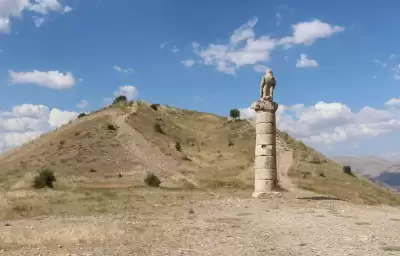
For those who want to benefit from the region's entire archaeological richness instead of just visiting the Nemrut summit, a comprehensive itinerary can be suggested. Starting from Kahta, first visit the Karakuş Tumulus; this monumental tomb from the Commagene period was built for female members and its eagle statue is noteworthy.
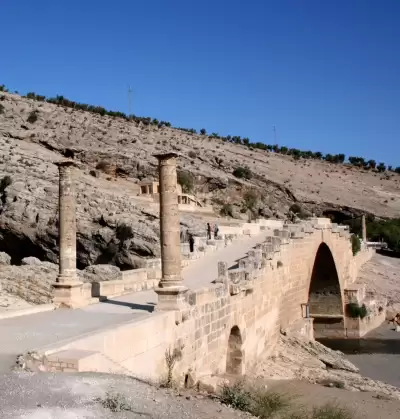
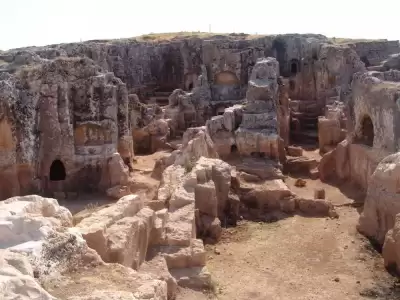
Then see the ancient Cendere Bridge; this Roman-era bridge is still standing and has high photographic value. The Arsameia Archaeological Site on the route contains the remains of Commagene's ancient capital and attracts particular interest with its rock reliefs and tunnels. After all these stops, you can climb to the Nemrut summit to watch the sunset, and if you wish, you can stay overnight at a nearby facility and experience the sunrise in the morning.
Photography Spots
Nemrut is one of Turkey's most iconic photography locations. The east terrace allows you to frame the statue heads in silhouette against the rising sun at sunrise. The west terrace is the best spot to capture the statues illuminated with golden yellow and orange tones at sunset.
Wide-angle lenses are ideal for capturing the entire statue series in a single frame; telephoto lenses, on the other hand, highlight detailed facial expressions and stone texture. It is possible to obtain cleaner compositions as the number of visitors remaining in the area decreases in the early morning hours or after sunset. Caution may be required when using a tripod due to wind.
Things to Know Before Your Visit
Since the summit elevation is 2,134 meters, weather conditions can change unexpectedly. Even in mid-summer, temperatures can drop significantly in the early morning; layered clothing is essential. Strong winds are a common occurrence.
Although the road to the summit can be reached by car up to a certain point, the final section consists of a rocky and uneven path; it is important to wear comfortable, sturdy walking shoes. Since there are no sales points in the area, you should bring enough water and snacks with you. Climbing or touching the statues is prohibited; adhering to this rule is critical for both the preservation of the site and your safety. Since the entrance fee may vary by season, do not forget to check the current tariff before your visit.
What to Eat in the Region?
Food and drink options immediately around Nemrut are quite limited; therefore, it will be more practical to have your main meal in the Kahta district or Adıyaman city center. In Kahta, there are many restaurants and guesthouse restaurants catering to visitors.
Adıyaman cuisine reflects the rich flavors of Southeast Anatolia. Çiğ köfte, içli köfte, katmer, and various types of kebabs are among the prominent tastes of the region. The breakfast culture is also quite strong in the region; be sure to try local cheeses, butter, and honey.
Mount Nemrut Archaeological Site Videos
Mount Nemrut Archaeological Site videos load when you open this section to keep the page fast.
Show videos
FAQ

Updated: