Located in Adıyaman's Mara Neighborhood, the Church of Mor Petrus and Mor Paulus is a Syriac Orthodox place of worship built in the 4th or 5th century AD; it stands out with its three-nave basilica plan, high arches, and a wooden altar from 1890; admission is free.
Hidden in Adıyaman's Mara Neighborhood, southwest of Adıyaman Castle, the Church of Mor Petrus and Mor Paulus is one of the city's most deeply rooted religious structures. Estimated to have been built in the 4th or 5th century AD, this Syriac Orthodox church has served as the spiritual center for the region's Christian community for centuries. The area where the church stands is built upon a historical foundation where the foundations of the Church of the Virgin Mary were laid in 1701 with the aim of establishing a Metropolitanate.
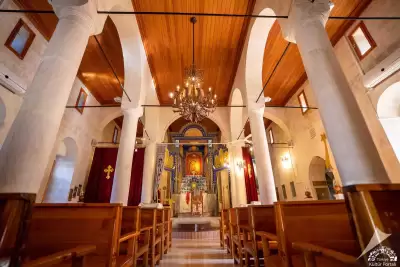
The structure, extending in an east-west direction, is designed with a three-nave basilica plan. Syriac inscriptions above the entrance door and inside the building document that the church underwent significant renovations in 1888 and 1905. The wooden altar in the apse section was crafted by Syriac masters from Urfa in 1890. Its stone architecture, high arches, and the mystical atmosphere created by its dim interior give visitors a sense of time travel.
Related discoveries: Places to visit in Adıyaman, Historical Places, Historical places in Adıyaman, Tomb of Prophet Uzeyir.
Guide's Note
History and Significance of the Church
The Church of Mor Petrus and Mor Paulus is one of the most tangible and deeply rooted proofs of the Syriac Christian presence in Adıyaman. Estimated to have been built in the 4th or 5th century AD, the structure has been the main center of worship for the Syriac Orthodox community in the region for centuries. The area where the church is located gained historical significance with the laying of the foundations of the Church of the Virgin Mary in 1701 for the purpose of establishing a Metropolitanate.
Syriac inscriptions above the entrance door and inside the building reveal that the structure underwent extensive renovations in 1888 and 1905. Thanks to these renovations, the church has largely survived to the present day in good condition. The structure continues to function as an active place of worship within the Syriac Orthodox Metropolitanate.
Best Spots for Photography
The church, with its stone architecture and unique texture, offers many corners that will delight photography enthusiasts. The Syriac inscriptions above the entrance door and the stone craftsmanship contain extremely impressive details for close-up shots. The high arches and cut stone walls on the exterior of the church allow you to capture beautiful frames under different lighting conditions throughout the day.
Inside, the way the dim light falls on the wooden altar and the motifs on the walls is perfect for atmospheric photos. If you visit in the early morning, you will find a quieter environment and make the best use of natural light. It is important to ask for permission from church officials before taking photos out of respect.
When to Visit?
Since Adıyaman's summers are quite hot, visiting the church in spring (April–May) or autumn (September–October) offers a much more pleasant experience. During these periods, the weather is mild, making it easier to visit other historical sites in the city on foot.
During religious holidays and special liturgy days, the church doors may be open to the congregation; if you visit on these dates, you can get a closer look at the Syriac Orthodox tradition. However, as visitor density may increase on these days, it would be appropriate to contact the church administration in advance.
How to Get to Adıyaman and the Church?
There are multiple options to reach Adıyaman. For those who prefer air travel, there are regular flights to Adıyaman Airport from various cities. Those arriving by road can reach Adıyaman Intercity Bus Terminal, which has bus connections from all over Turkey.
The church is located in Adıyaman city center, in Mara Neighborhood, and is close to the center. It can be easily reached by taxi or dolmuş within the city; due to the city's small scale, it can also be reached on foot from many points in the center. You will easily find the structure when you turn into Kilise Sokak from Ziya Gökalp Caddesi.
What to Eat in Adıyaman?
After visiting the church, exploring Adıyaman cuisine adds a different flavor to your trip. The city has a unique culinary culture enriched with Southeastern Anatolian flavors. The walnut and cheese katmer and Adıyaman pide, unique to Adıyaman, are among the must-try delicacies.
Liver kebab and lahmacun served in restaurants in the city center are also among the indispensable tastes of the region. For breakfast, you can choose traditional tables prepared with local cheeses, butter, and honey buns. Small artisan restaurants and coffee houses in the neighborhoods around the church also offer a great opportunity to observe daily Adıyaman life.
Suggested Itinerary in Adıyaman
You can spend a full day by combining the Church of Mor Petrus and Mor Paulus with other historical sites in Adıyaman city center. Starting the day with Adıyaman Castle would be a logical choice; the castle is located just northeast of the church. Afterwards, you can visit the church and examine the Syriac inscriptions and the wooden altar.
In the afternoon, visiting the Adıyaman Museum to see the archaeological findings of the region will help you reinforce the historical context. If you have an extra day in your schedule, you can arrange a day trip to Mount Nemrut, Adıyaman's most famous symbol; this will be an unforgettable experience that completes the visit.
Things to Know Before Visiting
The Church of Mor Petrus and Mor Paulus continues to be an active place of worship. Therefore, it is very important to pay attention to silence and respectful behavior during your visit. When entering the interior, it is expected that shoulders and knees are covered.
Those who wish to take photographs should ask for permission from church officials in advance out of respect. Considering that visiting hours may change on religious ceremony and holiday days, it is recommended that visitors, especially those coming from afar, contact the church in advance. The church's contact number is: +90 416 216 17 22.
Church of Mor Petrus and Mor Paulus Videos
Church of Mor Petrus and Mor Paulus videos load when you open this section to keep the page fast.
Show videos
FAQ

Updated: