Kayseri Places to Visit
Kayseri, located in the heart of Central Anatolia, is a city where thousands of years of history are carved into stone. This deep-rooted past, stretching from the Hittite period to Seljuk sultans, from Byzantium to the O…


When to Visit Kayseri?
The best time to visit Kayseri varies depending on your purpose. For skiing and winter sports, the season on Mount Erciyes is at its peak between December and March; the slopes are crowded, and snow quality is generally good. During this period, the city center can be cold and snowy, so don't forget to pack warm clothes.
Spring (April-May) transforms the city into a different beauty. Flowers bloom on the foothills of Erciyes, and an ideal period begins for observing migratory birds in Sultan Sazlığı. The weather is mild, and the crowds are relatively small. Summer months are hot and dry; however, this period can be preferred for hiking on the high-altitude trails of Erciyes. September-October offers a great window for both visiting historical sites and capturing the autumn colors of nature. Due to Kayseri's continental climate, the temperature difference between summer and winter is quite large, so it is important to prepare according to the period you will visit.
How to Get to Kayseri?
By Plane: Kayseri Erkilet Airport is approximately 5-6 km from the city center. There are regular flights from many major cities in Turkey. You can easily reach the city center from the airport by taxi or public transport.
By Bus: Kayseri is connected to all parts of Turkey by bus services. The intercity bus terminal is located close to the city's transportation network. You can reach Kayseri from Ankara in approximately 4-5 hours, and from Istanbul in 10-12 hours.
By Train: Kayseri is a city connected to the railway network. Transportation is possible with train services departing from Ankara; however, travel times may be longer compared to buses. We recommend following TCDD's official channels for up-to-date schedule and price information.
By Car: The distance between Ankara and Kayseri is approximately 330 km, offering a comfortable driving experience with highway connections. The distance to Cappadocia (Nevşehir-Göreme) is approximately 80-100 km; therefore, Kayseri can be preferred as a natural starting or ending point for Cappadocia trips.
City Transportation in Kayseri
The backbone of urban transportation in Kayseri is the tram system known as Kayseray. This line, connecting the city's important points, is both a practical and economical option. With the KayseriKart, valid for public transport, you can use buses and trams at a discount. We recommend checking the official channels of Kayseri Transportation for current fare information.
Since the central areas of the city are within walking distance, exploring Kayseri Castle, Cumhuriyet Square, and the surrounding historical structures on foot is both enjoyable and practical. For those who want to go to Mount Erciyes or surrounding districts, taxi and car rental options are also available. Especially for hard-to-reach places like Sultan Sazlığı or Kapuzbaşı, it will be easier to go with your own car or through tour organizations.
Places to Visit in Kayseri
Kayseri Castle: This black basalt castle, a symbol of the city, dates back to the Roman period but was largely rebuilt by the Seljuks. There is also an archaeological museum inside the castle. Its location overlooking Cumhuriyet Square places it right in the heart of the city.
Gevher Nesibe Museum (Çifte Medrese): Built in the 13th century by Seljuk Sultan Gıyaseddin Keyhüsrev I in the name of his sister Gevher Nesibe, this structure is considered one of the world's first medical schools and hospitals. Today, it is open to visitors as the Seljuk Civilization Museum.
Hunad Hatun Complex: One of the most comprehensive complexes of the Seljuk period, this group of structures consists of a mosque, madrasah, hammam, and tomb. It is located right next to Kayseri Castle.
Döner Kümbet: This cylindrical tomb from the 13th century is one of the finest examples of Seljuk stone craftsmanship. Its geometric and floral motifs are noteworthy.
Güpgüpoğlu Mansion: This 18th-century Ottoman mansion reflects Kayseri's traditional civil architecture. Its interior has been arranged as a museum.
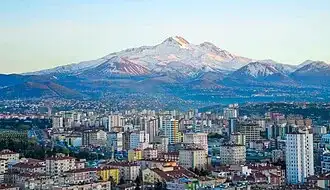
Mount Erciyes and Ski Resort: Erciyes, Kayseri's most important natural asset, hosts ski enthusiasts in winter. As one of Turkey's largest ski resorts, it has modern facilities. In summer, it attracts visitors with mountain biking and hiking trails.
Sultan Sazlığı: This wetland, located in the Develi district, is a bird paradise of international importance and a Ramsar site. It hosts hundreds of bird species, especially flamingos; it is a special destination for birdwatchers.
Kapuzbaşı Waterfalls: These waterfalls, located in the Pınarbaşı district, are among Turkey's highest waterfalls. They offer an impressive view, especially in spring and summer.
Kültepe (Kanesh-Karum): This mound, approximately 20 km from Kayseri, is where the first written trade documents in Anatolia were found. This area, dating back to the Assyrian trade colony period, is on the UNESCO World Heritage Tentative List.
What to Eat in Kayseri?
Kayseri cuisine is one of Turkey's most unique regional cuisines, and the city's name is almost synonymous with certain delicacies.
Kayseri Mantı: Mantı is eaten all over Turkey; however, Kayseri mantı is a completely different experience with its small size and rich filling. Garlic yogurt and butter sauce poured over it complete this flavor. It is a dish you must try when in Kayseri.
Pastrami: Kayseri pastrami is a tradition spanning centuries and a geographically indicated product. This cured meat with its fenugreek and spices is sold in the city's bazaars and shops. Pastrami with eggs or pastrami pastry should also be tried.
Sucuk: Kayseri sucuk, like pastrami, is a product the city is proud of. With its intensely spiced structure, it is indispensable for breakfast tables.
Kayseri Yağlaması: This local delicacy, similar to gözleme, made from phyllo dough with minced meat and onions, is part of the city's traditional breakfast culture.
Büryan Kebab: This type of kebab, cooked in a pit, is another representative of Kayseri's meat culture. You can find it in the city's artisan restaurants and established kebab shops.
The pastrami and sucuk shops in Kayseri's bazaar are a great stop for both shopping and culinary discovery. The city's covered bazaar and restaurants around Cumhuriyet Square offer local flavors at affordable prices.
Where to Stay in Kayseri?
Accommodation options in Kayseri are quite diverse. The city center is the most practical option for those who want to be within walking distance of historical sites. There are hotels for every budget around Cumhuriyet Square.
If you plan to ski on Mount Erciyes during the winter season, you can choose hotels within the Erciyes Ski Center or close to the mountain. This way, access to the slopes will be much easier, and you will have the chance to hit the slopes early.
For those looking for a boutique hotel or a more local accommodation experience, guesthouses and small hotels in the city's historical fabric can also be a good option. Kayseri also hosts major chain hotel brands; these options offer a reliable choice for those seeking comfort and standard service. We recommend making reservations in advance, especially during busy seasons (winter ski season and summer holidays).
Shopping in Kayseri
Kayseri is also a rich city in terms of shopping. The most important shopping point is undoubtedly the Covered Bazaar and Bedesten. In this area, which has been the heart of trade since the Seljuk period, you can find carpets, kilims, copper craftsmanship products, and local souvenirs.
Among the most valuable gifts to take from Kayseri are pastrami and sucuk. The city's established pastrami shops offer vacuum packaging options, making long-distance transport easier. Kayseri carpets are also an important handicraft product of the city; quality examples can be found in reliable shops in the bazaar.
For those looking for modern shopping, there are also large shopping centers in the city. However, Kayseri's true shopping spirit is hidden in its historical bazaar and small artisan shops.
Budget Planning in Kayseri
Kayseri is a more affordable city compared to Turkey's major tourist destinations. In terms of food, especially artisan restaurants and local eateries offer budget-friendly options; you can taste local dishes like mantı and yağlama at reasonable prices.
Accommodation prices in the city center vary widely. Hotels around Erciyes Ski Center may experience price increases during the winter season; early booking provides an advantage during this period.
Entry to most historical structures is either free or possible for a symbolic fee. Public transportation within the city is also quite economical. If you are going to surrounding points like Sultan Sazlığı or Kapuzbaşı, you need to add car rental or tour costs to your budget. Overall, Kayseri is a flexible destination that appeals to both economic and mid-to-high segment travelers.
This content originates from neresigezilir.com.tr and may not be copied without permission.
Places to Visit

Sultan Sazlığı Bird Paradise
Located approximately 70 km south of Kayseri, at the foothills of Mount Erciyes, Sultan Sazl…

Sultanhanı Caravanserai
This Seljuk caravanserai, located in the Sultanhanı town at the 47th kilometer of the Kayser…

Sahabiye Madrasah
Standing opposite Kayseri Castle in the city center, Sahabiye Madrasah is a structure built …

Kurşunlu Mosque (Mimar Sinan Mosque)
Rising in Kayseri's Cumhuriyet Square, Kurşunlu Mosque is the only surviving structure among…

Kayseri Clock Tower
Rising in the very center of Cumhuriyet Square, Kayseri Clock Tower was built in 1906 during…

Karatay Han Caravanserai
Karatay Han, located in the Bünyan district of Kayseri, on the Kayseri-Malatya road, is a ca…

Soğanlı Valley
Soğanlı Valley, located 15 km from Kayseri's Yeşilhisar district, is one of Cappadocia's tra…

Kapuzbaşı Waterfalls
Located within the Aladağlar National Park in the Yahyalı district of Kayseri, Kapuzbaşı Wat…

Kültepe Archaeological Site (Kanesh-Karum)
Located 20 km northeast of Kayseri, Kültepe was the capital of the Kingdom of Kanesh and Ana…

Döner Kümbet
Rising on Talas Street in Kayseri, Döner Kümbet was built in 1276 for Şah Cihan Hatun, daugh…

Seyyid Burhaneddin Tomb
The tomb of Seyyid Burhaneddin Muhakkık-ı Tirmizî, the spiritual teacher of Mevlânâ Celâledd…

Gesi Vineyards and Pigeon Houses
The Gesi region, part of Kayseri's Melikgazi district, is an attractive destination for both…

Kayseri Castle
Rising right next to Cumhuriyet Square, in the very heart of Kayseri, Kayseri Castle is the …

Kayseri Recreation Areas
Kayseri's green picnic and recreation areas, close to the city center, stand out with barbec…

Melikgazi Tomb
Rising at the foot of the historical castle in Melikgazi Village, Pınarbaşı district of Kays…

Yaman Dede Mosque / Panaya Church
A historical structure in Kayseri's Talas district, built as a Greek Orthodox church in 1886…

Bürüngüz Mosque
Rising in Kayseri's Cumhuriyet Square, Bürüngüz Mosque, designed by Architect Cevat Ülger in…

Germir-Tavlusun and Derevenk Valley
Located in Kayseri's Melikgazi district, approximately 8 kilometers from the city center, th…

Güpgüpoğlu Mansion Ethnography Museum
Located in the Melikgazi district of Kayseri, Güpgüpoğlu Mansion was built between 1419 and …

Erdemli Valley
Located in Erdemli Village, part of Kayseri's Yeşilhisar district, this canyon-shaped valley…

Yamula Dam
The Yamula Dam, built on the Kızılırmak River, is located 25 kilometers from Kayseri city ce…

Kayseri Atatürk House Museum
The İmamzade Raşit Ağa Mansion, built in the 19th century, is the building where Atatürk spe…

Hacer Valley and Forest
Hacer Valley and Forest, located within the borders of Aladağlar National Park in the Yahyal…

Hunat Hatun Complex
Rising directly opposite Cumhuriyet Square in the heart of Kayseri, the Hunat Hatun Complex …