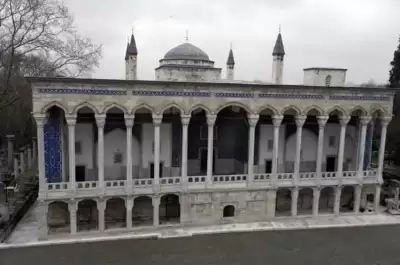
The Istanbul Archaeological Museums are a complex located in Sultanahmet next to Gülhane Park, consisting of the Archaeology Museum, the Museum of Ancient Orient, and the Tiled Kiosk. It houses world-important artifacts such as the Treaty of Kadesh and the Sarcophagus of Alexander.
The Istanbul Archaeological Museums, brought to life by the vision of Osman Hamdi Bey, a great museologist and painter of the Ottoman period, today hold the title of Turkey's most established and comprehensive museum complex. The collection journey, which began in Aya Irene in 1869, moved to its current main building in 1891; since then, it has housed tens of thousands of artifacts belonging to Anatolian, Mesopotamian, Egyptian, and Mediterranean worlds.
The complex consists of three separate structures: the colossal Archaeology Museum with 36 exhibition halls, the Museum of Ancient Orient presenting ancient Egyptian and Mesopotamian artifacts together, and the Tiled Kiosk showcasing the most beautiful examples of Ottoman tile art. The architect of the main building is Alexandre Vallaury; built between 1887-1888, the structure adds a distinct elegance to the Sultanahmet skyline with its neoclassical facade decorations. The Sarcophagus of Alexander, considered the crown jewel of the collection, and the clay tablet of the Treaty of Kadesh, the first known written peace treaty in human history, meet their visitors here.
Guide's Note

The Istanbul Archaeological Museums boast a comprehensive collection presenting artifacts from Anatolian, Mesopotamian, Egyptian, Greek, and Roman civilizations under one roof. Visitors particularly note being impressed by the richness of the sculpture and sarcophagus collection and the quality of the craftsmanship of the artifacts. The Troy section also draws attention by conveying both the discovery process and findings from different periods.
The museum is located within walking distance of Gülhane Park and Topkapı Palace; its historic building and garden also offer a visually appealing atmosphere. There is a general consensus that it is a satisfying experience for art and history enthusiasts; however, some visitors state that certain sections are closed, which leaves the tour incomplete.
A few recurring practical issues also stand out in the comments:
- Audio guide system: The purchased audio guide package does not work properly due to insufficient Wi-Fi or mobile data connection within the museum. It is reported that the quality of the provided headphones is poor and the return process is cumbersome.
- Security practices: Multiple visitors have been observed touching artifacts; security guards are noted as not intervening or being late to do so.
- Labels and descriptions: It is stated that the information cards next to some artifacts are insufficient, making it difficult to understand what objects with unusual names are.
- Pricing: There are opinions that the total cost of the ticket and audio guide package is high.
Three Museums, One Complex
The most important feature that distinguishes the Istanbul Archaeological Museums from other museums is that it offers the opportunity to visit three different collections with a single ticket or MuseumCard. The Archaeology Museum, in a total of 36 halls on the lower and upper floors, exhibits archaeological finds from Anatolia, Cyprus, Syria, Palestine, and the Balkans in chronological order. Visitors embark on a vast journey through time, from the Bronze Age to the Byzantine period.
The Museum of Ancient Orient houses artifacts from ancient Egypt, Mesopotamia, and Arabia. The clay tablet of the Treaty of Kadesh is exhibited in this section, and this document, dated to 1259 BC, holds the distinction of being the oldest known written peace treaty in world history. The Tiled Kiosk, built in 1472 during the reign of Fatih Sultan Mehmet, presents rare examples of Ottoman and Seljuk tile art; it is the oldest structure in the complex.
When Should You Visit?
While the museum welcomes visitors throughout the year, the most enjoyable time to visit is during April-May and September-October. During these periods, weather conditions are favorable, and tourist density in Sultanahmet is lower compared to the summer months. In summer, we recommend visiting the museum before noon, preferably at opening time; groups and tour participants tend to concentrate in the afternoon.
Weekday mornings are the calmest period in every season. Weekends can get crowded, especially in the afternoon. Since the museum is closed on Mondays, you should plan your visit accordingly.
How to Get to the Museum?
The easiest and most economical way to reach the museum is by T1 tram. Get off at the Gülhane stop on the Bağcılar-Kabataş line; from there, follow Osman Hamdi Bey Yokuşu and you will reach the museum entrance in a few minutes. It is also possible to walk from Sirkeci metro station.
If you are coming from Sultanahmet Square, you can reach the museum on foot by passing through the outer courtyard of Topkapı Palace or by walking alongside Gülhane Park; this walk takes approximately 10-15 minutes. Finding parking in the area can be difficult for those coming by car; public transport is recommended.
Suggested Visit Route
To efficiently explore the complex, you can try the following order: Immediately after the entrance, head to the Museum of Ancient Orient; this section is relatively small and can be completed in 30-45 minutes, making it a good starting point for those eager to see the Treaty of Kadesh tablet. Then, proceed to the Archaeology Museum, the largest structure in the complex; the Sarcophagus of Alexander awaits you here. Starting from the lower floor and moving up to the upper floor will help you follow the chronological flow. Finally, visit the Tiled Kiosk across the courtyard.
For those who wish to explore the entire complex carefully, you should allocate at least 3-4 hours. When you get tired, you can take a break at the cafe in the museum courtyard.
Photo Spots
The most impressive photo spot from the outside of the museum is the neoclassical facade of the main building, designed by Alexandre Vallaury; you can get particularly beautiful shots in the morning light. The complex's courtyard is also an ideal place for both resting and taking photos.
Inside, the Sarcophagus of Alexander hall is the most visually impressive section; the relief figures on the sarcophagus gain extraordinary depth with the effect of daylight. The tile-covered interior of the Tiled Kiosk and its colorful window openings are also details that photography enthusiasts should not miss. Since flash photography is prohibited inside the museum, it is recommended to adjust your light settings accordingly.
Things to Know Before Your Visit
Some halls in the museum may be closed from time to time due to restoration or rearrangement; if you are specifically coming to see a certain artifact, it is advisable to inquire beforehand. Cameras are allowed, but flash and tripods are prohibited.
MuseumCard holders can enter the entire complex for free; if you plan to visit multiple museums in Istanbul, getting a MuseumCard will result in significant savings. Lockers are available at the museum entrance; leaving your large bags here will be practical for both security and comfortable touring. Since the complex is quite large, it is recommended to wear comfortable walking shoes.
What to Eat and Where to Go Nearby?
There is a small cafe in the museum courtyard; it is convenient for a tea or a light snack during your visit. For a more comprehensive meal break, the Sultanahmet and Sirkeci districts are within walking distance. Sirkeci has historical restaurants and fish eateries, while Sultanahmet offers numerous options to suit every budget.
The tea gardens within Gülhane Park are also a nice alternative for a breath of fresh air after a museum visit; especially in spring, combined with the park's blooming appearance, they turn into a pleasant resting spot.
This content originates from neresigezilir.com.tr and may not be copied without permission.
Istanbul Archaeological Museums Videos
Istanbul Archaeological Museums videos load when you open this section to keep the page fast.
Show videos
FAQ
Updated: