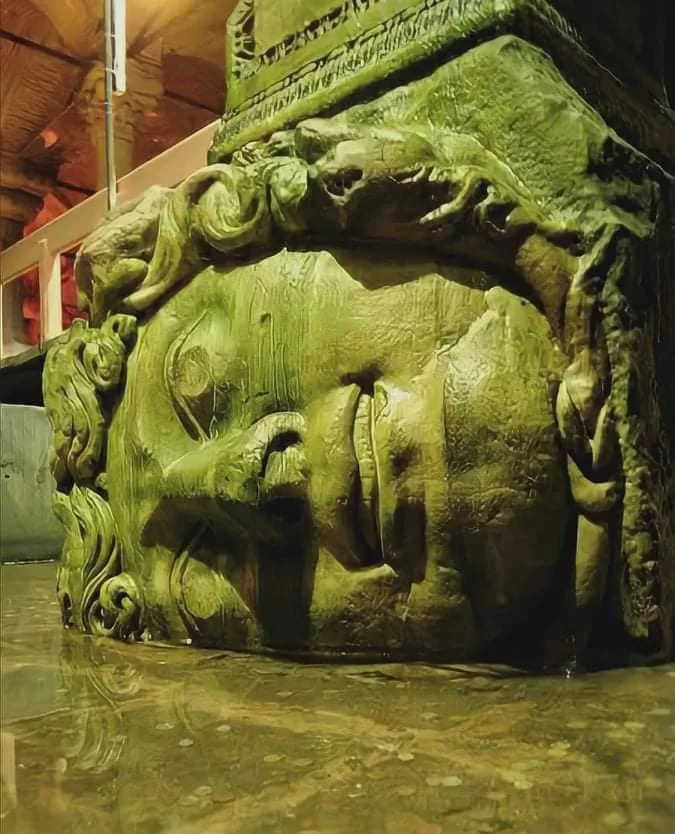
Yerebatan Cistern is a 6th-century Byzantine water reservoir located in Sultanahmet. Built during the reign of Emperor Justinian I, the structure is known for its 336 marble columns and two Medusa heads; it has a capacity of approximately 80,000 cubic meters of water.
Yerebatan Cistern is one of the most impressive structures hidden underground in Istanbul. Built during the reign of Byzantine Emperor Justinian I in the 6th century, this enormous water reservoir was constructed to meet the city's water needs; it can hold approximately 80,000 cubic meters of water. The cistern spreads over an area of 9,800 square meters and is accessed by descending 52 stone steps.
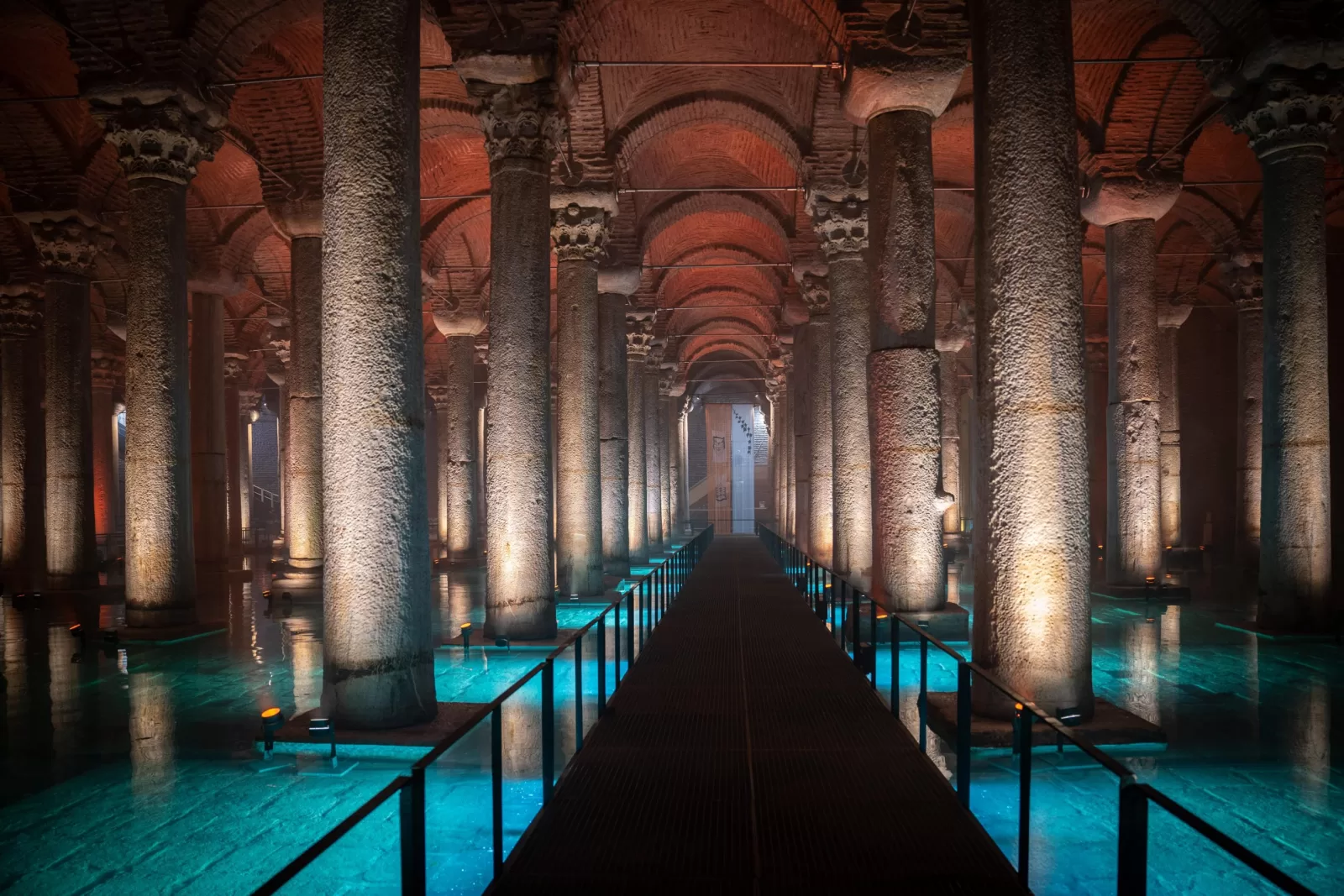
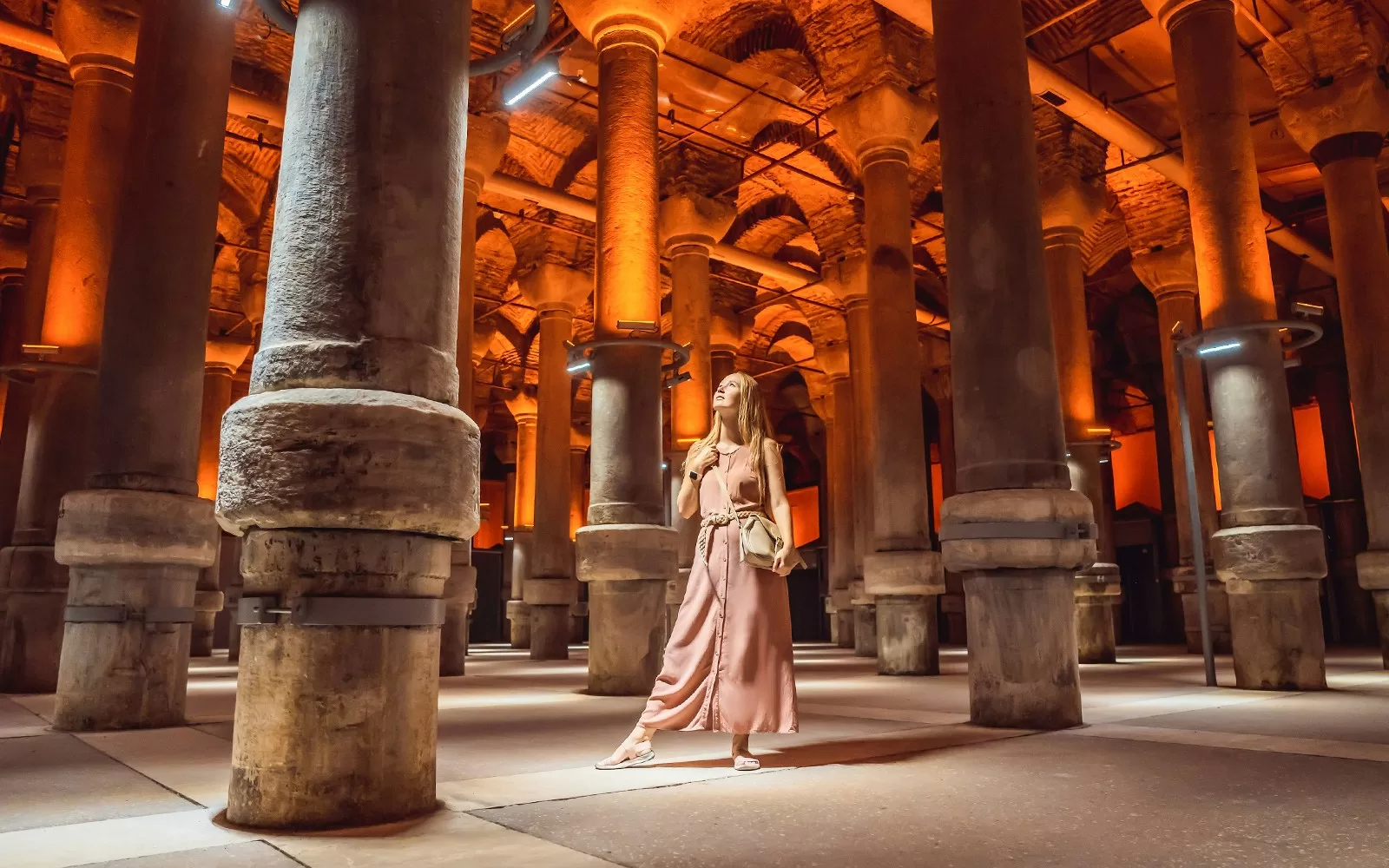
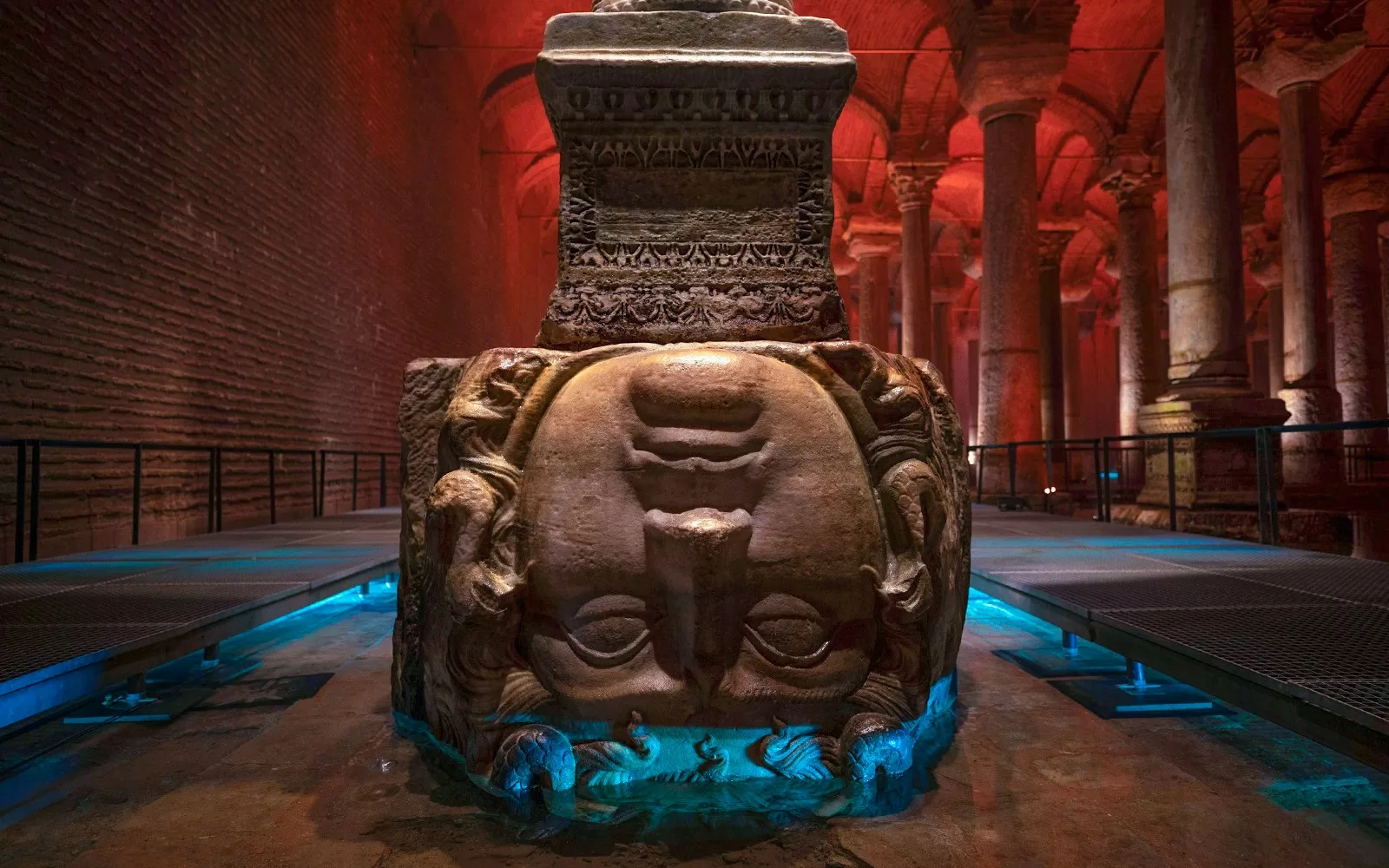
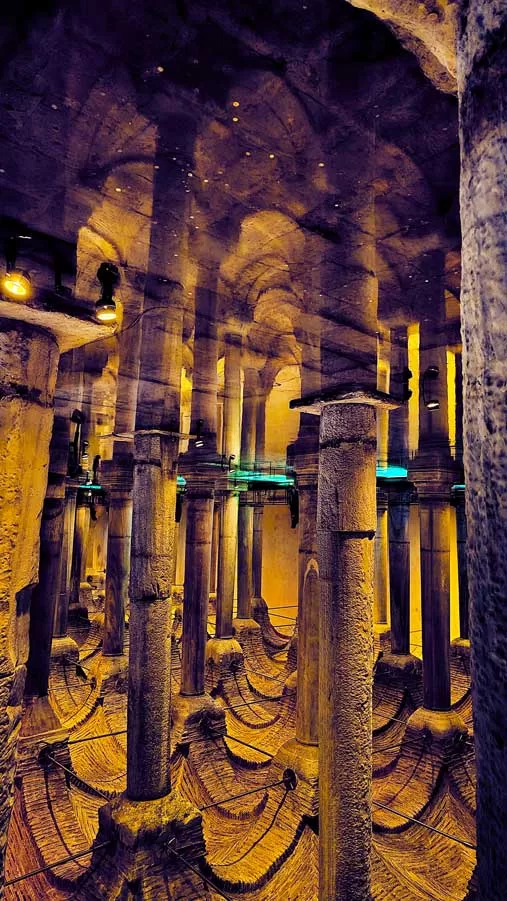
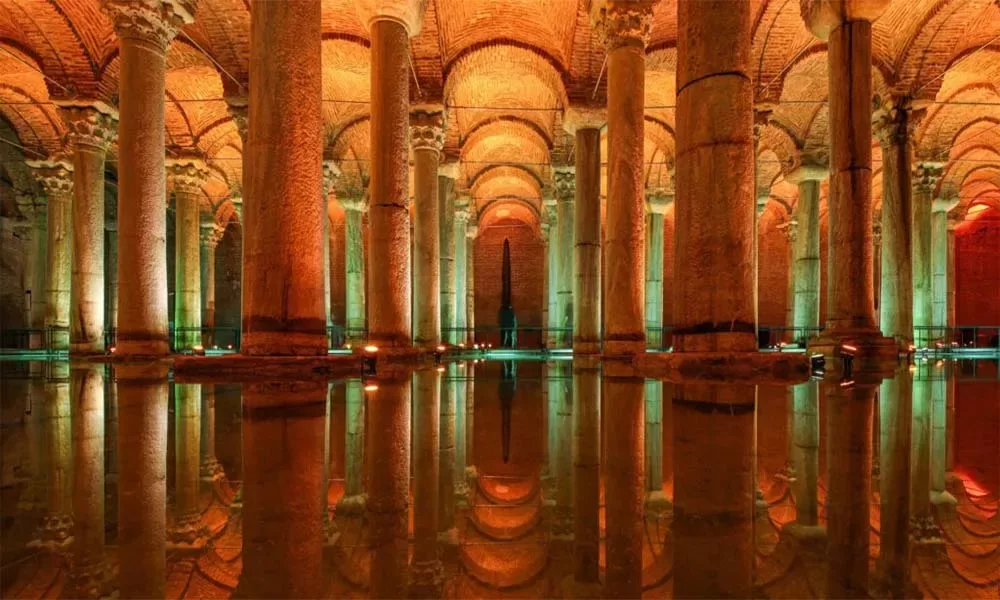
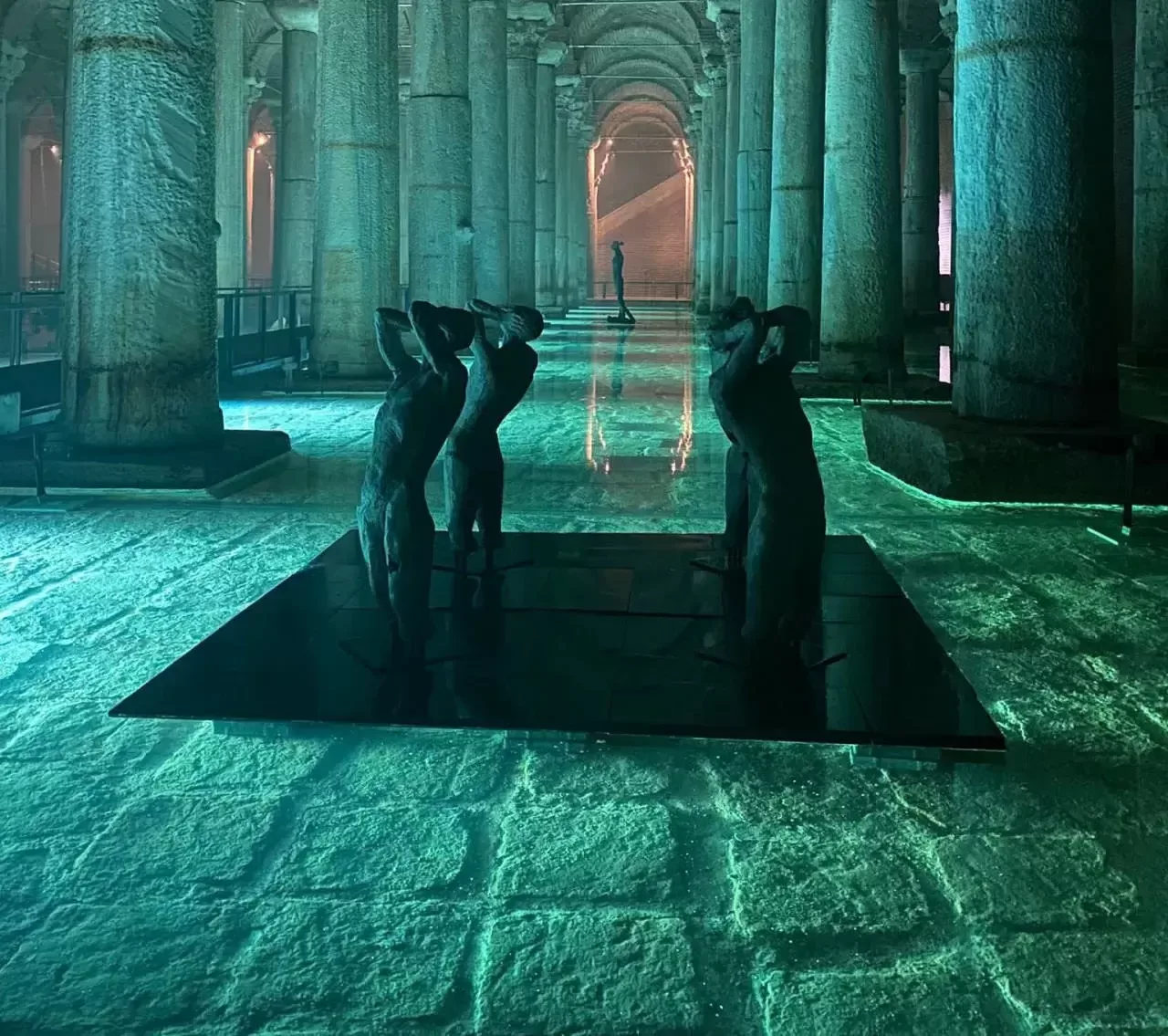
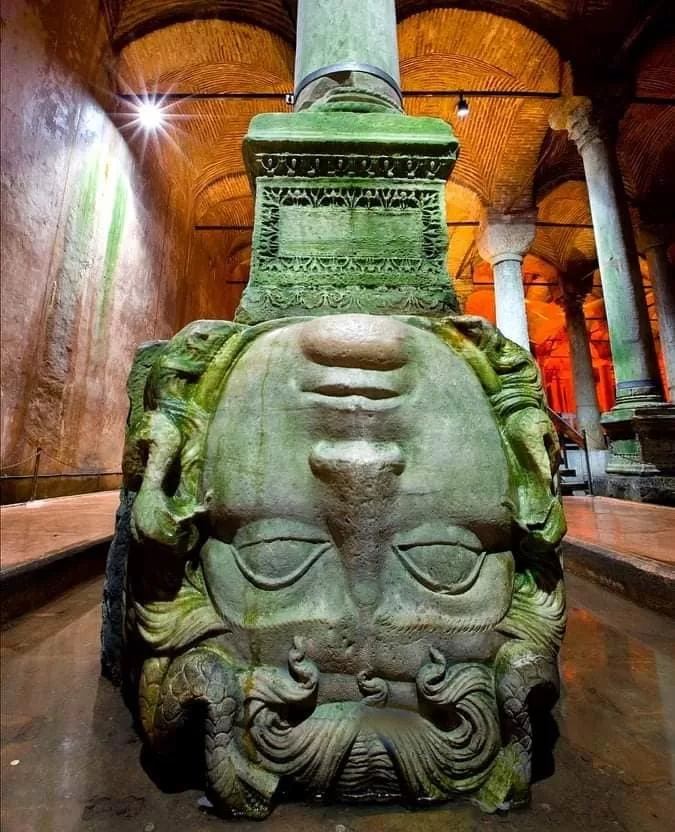
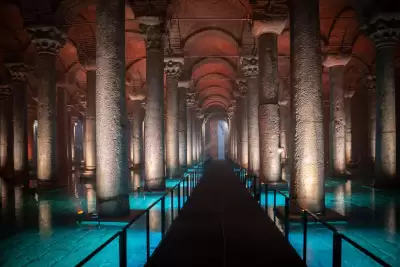
When you enter, the view that greets you is truly impressive: 336 marble columns rising in dim lighting, reflected on the shallow water surface beneath your feet. In the most famous corner of the cistern, there are two Medusa heads; one is laid on its side, and the other is placed upside down. Where these heads came from and why they were positioned this way is still a topic of debate. The structure has also left a mark on cinema; it has been featured in many productions, from classic films by Cuneyt Arkin to James Bond.
Guide's Note
Yerebatan Cistern has recently reopened to visitors following completion of restoration work. The cool atmosphere inside and the overall historical structure leave a strong impression on many visitors. The active presence of security personnel moving about inside the cistern positively affects both visitor safety and the protection of the space.
It is noted that free entry with Turkish ID card is provided at ticket purchase. The entrance fee for tourists varies between 2,250 and 2,500 TL according to recent reviews; there is no separate price for children. The ticket queue is reported to move quickly. Online ticket purchase is available; doing this in advance, especially during rainy weather, can reduce waiting time outside.
Some practical points and commonly mentioned complaints you should know before visiting:
- Entrance fee has been considered high in several reviews; some visitors think the price is not proportional to the content.
- There are no lockers inside the cistern; it is recommended not to bring large luggage or backpacks.
- There are no restrooms inside; you need to take care of this need before entering.
- For those wanting to take photographs, during busy hours there may be crowds and waiting times.
What is Yerebatan Cistern?
Yerebatan Cistern is an underground water reservoir located in the Sultanahmet district of Istanbul, directly across from Hagia Sophia. It is believed to have been built by Emperor Justinian I in the year 532 AD during the Byzantine Empire. The structure was built to meet the city's water needs with water transported from the Belgrade Forests and has a capacity of approximately 80,000 cubic meters. While its active use decreased during the Ottoman period, it was not completely abandoned; it was restored in 1987 and opened for visits.
The name of the cistern, in Turkish, "yere batan" means embedded underground. In Western sources, it is also called Basilica Cistern; this name comes from the fact that a basilica stood above it in the past.
When Should You Visit?
Yerebatan Cistern is open daily from 09:00 to 22:00. During summer months, particularly during July-August, visitor traffic can reach serious levels around midday hours. If you prefer the morning between 09:00-11:00 or after 19:00 in the evening during this period, you will encounter both fewer crowds and better experience the cistern's dim atmosphere.
Autumn and spring months are the most balanced seasons in terms of both weather conditions and crowds. During winter months, the number of visitors drops noticeably. Since the temperature inside the cistern hovers around 13-15 degrees Celsius year-round, you will find a comfortable environment inside even if it is cold outside.
How to Get There?
The most practical way to reach Yerebatan Cistern is by using Istanbul's T1 tram line. Getting off at the Sultanahmet stop, you can reach the cistern by walking for approximately 3-4 minutes. You can also walk from Sirkeci and Eminonu; the distance is not more than 10-15 minutes.
If you are thinking of coming by car, finding parking around Sultanahmet is quite difficult and the surrounding roads are narrow. Public transportation is a much more practical choice. There are also many bus lines serving Sultanahmet from different points of the European side.
Photography Spots
The cistern is an extremely interesting place for photography. The dim interior lighting in orange-yellow tones, the reflection of the columns on the water surface, and the overall atmosphere provide an ideal setting for long exposure experiments.
The corner where the Medusa heads are located is the most preferred spot; however, this area is quite dark. Using your phone's flashlight or a lens that performs well in low light will improve image quality. Column rows photographed from above the wooden walkways are perfect for a classic Yerebatan shot. It is recommended to check with staff at the entrance about tripod usage.
What to Eat Nearby?
Dozens of restaurants and cafes line the immediate surroundings of the cistern, along Sultanahmet Square and Divan Yolu. Due to tourist density, prices may be above Istanbul average; it is good to check menus beforehand.
Those looking for traditional Turkish cuisine will find more authentic and affordable options by walking toward the back streets of Sultanahmet. If you head toward Eminonu, you will encounter fish sandwiches, stuffed mussels, and various street delicacies.
Route Suggestion: A Full Day in Sultanahmet
Yerebatan Cistern can be easily combined with other major structures in Sultanahmet. After visiting the cistern in the morning, you can walk to Hagia Sophia, then visit Topkapi Palace. After a midday break, complete the route with Sultanahmet Mosque (Blue Mosque) and Hippodrome Square.
Since all these points are within walking distance of each other, you can spend a full Sultanahmet day without using vehicles. Also keep in mind that Museum Card holders can get advantages at some venues.
Things to Pay Attention To
The humidity level inside the cistern is high and the floor can sometimes be slippery; prefer flat-soled, non-slip shoes. Walking on wooden platforms with high heels can be both difficult and dangerous.
When taking photographs, be considerate of other visitors' space; the Medusa corner in particular gets narrow and crowded. Cell phone signal may weaken in certain areas of the cistern; it is practical to complete important communications before entering.
This content originates from neresigezilir.com.tr and may not be copied without permission.
FAQ

Updated: