Rumeli Fortress is a strategic castle located on the shores of the Bosphorus, built by Sultan Mehmed II in 1452. Operated as an open-air museum, the structure is an important example of Ottoman military architecture, consisting of three large towers, walls, and cannonballs used in the conquest.
Rumeli Fortress is a strategic castle built by Sultan Mehmed II in a short period of only four months in 1452, before the conquest of Istanbul, to control the Bosphorus. Together with Anadolu Fortress on the opposite shore, the structure, which grips the Bosphorus like a vice, is also known as Boğazkesen or Boğazkesen Hisarı (Bosphorus Cutter Fortress). Comprising three large towers and connecting walls, the fortress has survived to this day as one of the most striking examples of Ottoman military architecture.
Converted into a museum with renovations in 1953 and gaining official status under the Directorate of Hisarlar Museum in 1968, the structure houses a rich collection including cannonballs used in the conquest, Ottoman-era artifacts, and pieces from the reign of Bayezid II. As an open-air museum, the fortress offers an experience where you can see both sides of the Bosphorus simultaneously while walking along its walls.
Guide's Note

Rumeli Fortress, with its commanding position at the narrowest point of the Bosphorus, leaves a strong historical impression on visitors. Built by Sultan Mehmed the Conqueror just before the conquest of Istanbul, this structure stands out for both its architectural scale and its Bosphorus view. Many visitors state that they tangibly feel this strategic genius of the Ottoman era while wandering among the walls.
The coastline around the fortress is found suitable for walking; it is emphasized that the silhouette viewed from the sea or the shore has a distinct charm. Although the visit is considered valuable for its views, it is recommended to pay attention to the following points:
- Restoration work is ongoing: Multiple visitors report that a large part of the fortress is currently closed, and only the garden and lower area can be accessed. Access to the upper parts and towers is not possible.
- Entrance fee: Stated to be approximately 6 Euros; however, considering the access restrictions, some visitors find this fee high for now.
- Timing of visit: For those who wish to visit before restoration is complete, it is advised in multiple comments to wait; if you want to see the entire fortress, it is recommended to follow the completion of the works.
Best Time to Visit
The most enjoyable time to visit Rumeli Fortress is between April–June and September–October. During these seasons, the weather is neither too hot nor too cold; walking along the walls is not tiring. In July and August, the fortress gets crowded, and the stone surfaces become quite hot in the afternoon; choosing early morning hours during this period will provide a better experience.
In winter months, the number of visitors significantly decreases, so you might feel like you have the fortress almost to yourself. However, keep in mind that on some winter days, there is a risk of slipping on wet stone surfaces, so you should wear sturdy-soled shoes. Arriving an hour before sunset is a great option for those who want to photograph the fortress when the Bosphorus is bathed in golden light.
How to Get There?
The most practical way to reach Hisarlar Museum is by IETT buses. Lines 25E and 22 departing from Beşiktaş square stop at Rumelihisarı; the museum is within walking distance from this point. You can also reach nearby piers by ferries operating on the Bosphorus line; this option is a great start for those who want to experience the Bosphorus view early.
If you plan to come by car, keep in mind that parking on Yahyakemal Street is quite limited. The area gets busy on weekends; public transport is always a less stressful alternative. You can also arrive directly at the entrance by taxi or app-based ride services.
How Much Time Should You Allocate?
An average of 1.5 to 2.5 hours is sufficient for Hisarlar Museum. Within this time, you can comfortably explore the inner courtyard, tower exits, and the walking route along the walls. If you enjoy taking photos or examining historical details, you can extend your time a bit.
If you combine the fortress with Emirgan Grove or Bebek coastline on the same day, you will have a full day on the Bosphorus. Especially if you come with children, their perception of time might change as they can run and play in the open area; keep your plan flexible accordingly.
Photo Spots
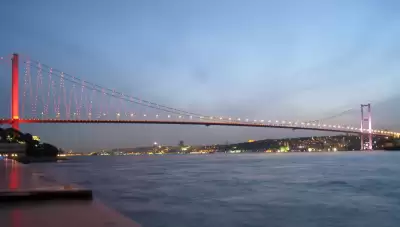
Rumeli Fortress is one of Istanbul's best photo locations. When you climb to the top of Saruca Pasha Tower, you can capture both sides of the Bosphorus, Anadolu Fortress on the opposite side, and the bridge in the same frame. Since the morning light comes from the east, the stone texture of the towers appears much more distinct in the early hours.
Wide-angle photos taken from outside the fortress, from the seaside sidewalk of Yahyakemal Street, are also quite impressive; they show the entire walls and the Bosphorus in the background. In the light before sunset, known as the golden hour, the yellowish tone of the stones becomes prominent and adds a completely different atmosphere to the fortress.
What to Eat Nearby?
The Rumelihisarı neighborhood, immediately surrounding the fortress, is known for its fish restaurants and small cafes along the Bosphorus. You can especially enjoy fresh fish and seafood at the venues on the coastline. Exploring small patisseries and coffee shops by wandering through the narrow streets of the neighborhood before or after your visit is also a good option.
The nearby Bebek neighborhood stands out as a stop that can be combined with both its cafes and a coastal walk. The meatball and fish restaurants in Bebek are among the well-known addresses in the region for years. Since there is no cafeteria inside or immediately at the entrance of the museum, it is recommended to bring water and a light snack with you before your visit.
Things to Consider Before Visiting
Since Hisarlar Museum is an open-air museum, the ground is largely stone and earth. Choosing sturdy, non-slip shoes instead of high heels or flat sandals is important for both comfort and safety. The tower stairs are quite steep; therefore, those with knee or balance problems should be careful when ascending.
The museum is closed on Mondays; plan your visit accordingly. As operating hours may vary between summer and winter periods, it is recommended to confirm with the museum's official communication channels before coming. Turkish citizens can enter with a Müzekart; a separate tariff applies to foreign visitors. Don't forget to keep your camera charged and your memory card empty; the view is worth it.
History and Architecture
Rumeli Fortress was built by Sultan Mehmed II in 1452, just one year before the conquest of Istanbul. The purpose of the structure was to control the Bosphorus and cut off naval aid to Byzantium. The dual fortress system it formed with Anadolu Fortress on the opposite shore successfully achieved this strategic goal.
The fortress consists of three large towers: Saruca Pasha Tower, Halil Pasha Tower, and Zağanos Pasha Tower, and the walls connecting them. The construction of each tower was entrusted to a different vizier, and this competitive spirit ensured the rapid completion of the structure. Converted into a museum in 1953, the fortress has been managed by the Directorate of Hisarlar Museum since 1968. Today, the collection includes cannonballs from the conquest period and Ottoman-era artifacts.
This content originates from neresigezilir.com.tr and may not be copied without permission.
Hisarlar Museum (Rumeli Fortress) Videos
Hisarlar Museum (Rumeli Fortress) videos load when you open this section to keep the page fast.
Show videos
FAQ

Updated: