Located on Balo Street in Beyoğlu, the Doğançay Museum is Turkey's first contemporary art museum, opened in 2004. Housed in an approximately 150-year-old five-story historic building, it exhibits paintings, sculptures, photographs, and graphic works by Burhan Doğançay and his father, Adil Doğançay.
The Doğançay Museum is situated on Balo Street, just a short walk from Istiklal Avenue in Beyoğlu, one of Istanbul's most vibrant districts. Housed in a striking five-story historic building with approximately 150 years of history, the museum opened its doors in 2004, earning the title of Turkey's first contemporary art museum. The building offers visitors a unique experience not only with the artworks it contains but also with its own architectural fabric.
The heart of the museum lies in the works of the internationally acclaimed Turkish painter Burhan Doğançay. His rich collection, consisting of collage works inspired by city walls, paintings, sculptures, photographs, graphics, and Aubusson tapestries, reveals how the artist brought street culture and wall surfaces observed in over 100 countries to his canvas. This collection, exhibited alongside his father's works, brings together the artistic heritage of two generations under one roof.
Guide's Note
Turkey's First Contemporary Art Museum
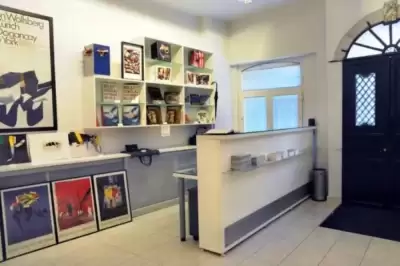
When the Doğançay Museum opened in 2004, it achieved a first in Turkey: it became the country's first contemporary art museum. As you turn off Beyoğlu's bustling streets into Balo Street, you encounter a five-story historic building with approximately 150 years of history. The moment you press the doorbell at the outer gate, the visitor experience begins; the attendant provides you with a brochure and directs you to the upper floors by elevator.
The museum's collection is shaped around two main axes: the internationally recognized works of Burhan Doğançay and the works of his father, Adil Doğançay. Seeing the works of these two generations in the same space offers a highly valuable opportunity to trace the development of Turkish art in the 20th century. The diversity of the collection is also striking: paintings, sculptures, photographs, graphics, and Aubusson tapestries, rarely seen together, are housed in the museum.
When to Visit?
The museum is open from Tuesday to Sunday between 10:00 and 18:00; keep in mind that it is closed on Mondays when planning your visit. In the early morning hours, especially on weekdays, the museum is quite calm, allowing you to examine the artworks more comfortably.
The most enjoyable periods of the year are spring (April-May) and autumn (September-October). During these periods, both the streets of Beyoğlu are at a more pleasant temperature, and spending time in the cafes and galleries around Istiklal Avenue after a museum visit is much more enjoyable. Considering Istanbul's heavy tourist traffic in the summer months, we recommend visiting in the early morning.
How to Get to Doğançay Museum?
The museum is located at Balo Sokak No: 42, within walking distance of Istiklal Avenue. Reaching it by public transport is quite easy. You can take the M2 Metro line to Taksim Station and walk for approximately 5-10 minutes to reach the museum. Alternatively, you can take the Tünel nostalgic tram from Karaköy to Tünel Square and then walk a short distance to Balo Street.
Due to Beyoğlu's narrow streets and restricted vehicle traffic, coming by private car is not very practical. Although there are paid parking options nearby, walking or public transport is always a better choice. To enter the museum, simply press the doorbell at the outer gate; the attendant will greet you.
Photo Spots
The Doğançay Museum offers multiple interesting spots for photography enthusiasts. The facade and interior architecture of the historic building provide a powerful atmosphere for black-and-white or film simulation shots. The narrow and characterful Balo Street itself forms a frame-filling backdrop.
Inside, Burhan Doğançay's large-format collage works, inspired by wall surfaces, are highly photographic in terms of color and texture. The Aubusson tapestries are also ideal for detailed shots. Don't forget to ask the attendant about the museum's indoor photography policy before your visit.
What to Eat, Where to Sit Nearby?
After your museum visit, you can take advantage of Beyoğlu's rich dining options. Balo Street and its surroundings are full of small boutique cafes and restaurants. Historic passages on Istiklal Avenue, Nevizade Street known for its tavern culture, and the Asmalımescit neighborhood are among the most well-known gastronomy spots in this area.
For those planning a morning visit, you can enjoy breakfast or brunch at nearby cafes after leaving the museum. For visits coinciding with the evening, Beyoğlu's established taverns and modern restaurants offer good options.
Include in Your Beyoğlu Culture Route
The Doğançay Museum can be an indispensable stop on a comprehensive cultural tour of Beyoğlu. Starting from Taksim, walking along Istiklal Avenue and visiting the Doğançay Museum, you can then add Galata Tower and Galata Bridge to your route.
For art enthusiasts, SALT Beyoğlu or other private galleries in the vicinity can also be included in the program on the same day. Since the average time allocated for the museum is 1-2 hours, you can easily combine several points within a day. Taking the Tünel tram down to Karaköy to end the day with a Bosphorus view is also a great option.
Things to Know Before Your Visit
Entry to the museum is by pressing the doorbell at the outer gate; the door does not open automatically. The attendant will greet and guide you. Although an elevator is available, due to the historic structure of the building, using a wheelchair or stroller might be difficult; we recommend contacting the museum before your visit.
It would be beneficial to call the museum in advance or follow their social media accounts for entrance fees and possible special events. Occasionally, the museum organizes different programs as part of art events such as Artweeks Istanbul; during these periods, a visit can turn into an even richer experience.
This content originates from neresigezilir.com.tr and may not be copied without permission.
FAQ
Updated: