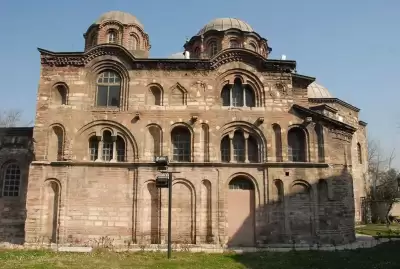
Fethiye Museum is the Pammakaristos Monastery Church located in Fatih, Istanbul; rebuilt in the 13th century, the structure houses late Byzantine gold-ground mosaics in its parekklesion chapel.
Standing in the back streets of Fatih, away from the daily Istanbul crowds, the Fethiye Museum is actually a structure that has taken on many identities over the centuries. Serving as a monastery church during the Byzantine period, the building was converted into a mosque after the Ottoman conquest; today, it opens its doors as a museum. Officially known as the Pammakaristos Monastery Church — meaning "Most Blessed" in Greek — it remains one of the most important late Byzantine structures in Istanbul.
The most striking part of the building is the chapel called parekklesion, added to its southern facade. This small but magnificent space houses one of the richest surviving Byzantine mosaic programs in Istanbul. Figures of Christ Pantocrator and saints, crafted on a gold background, reveal the delicacy and mastery of late Byzantine art. The main nave of the mosque can also be entered; thus, it is possible to experience both Byzantine and Ottoman architecture together in the same visit.
Guide's Note
Pammakaristos: The Story of the Most Blessed Church
The foundations of the Pammakaristos Monastery Church date back to the Komnenos dynasty period, i.e., the 11th-12th centuries. However, the structure standing today was largely rebuilt in the 13th century by Michael Glabas Tarchaneiotes, one of Byzantium's prominent figures, after the end of the Latin occupation. After Tarchaneiotes' death, his wife added a small chapel — the parekklesion — to the southern facade of the building and had him buried there. This chapel is home to the mosaic program that has survived to our day.
After the Ottoman conquest, the church first continued its monastic function, then was converted into a mosque in 1591. The name Fethiye also comes from this conversion; this name, symbolizing conquest in Ottoman Turkish, gave the structure a new identity. In the mid-20th century, the parekklesion section, where the mosaics are located, was restored and opened as a museum. The main mosque section is still used as a place of worship.
Mosaics and Photo Opportunities
The parekklesion section of the Fethiye Museum houses some of the most impressive Byzantine mosaics in Istanbul. The Christ Pantocrator mosaic, crafted on a gold background, is located in the center of the dome and immediately draws the eye upon entering the space. Around it, medallion portraits of the twelve apostles are arranged; in the apse, figures of the Virgin Mary and John the Baptist stand out.
For those wishing to take photographs, the best light is captured by the natural light filtering through the windows in the morning hours. Photographs of the building from the outside offer architecturally interesting shots, showing the Byzantine brickwork and additions from the Ottoman period together. The silhouette of the building rising within the narrow street fabric is also a photographic subject in itself.
When to Visit?
The museum is closed on Wednesdays; on other days, it opens for visitors from 09:00 in the morning. Even during the peak tourist season, this structure remains relatively quiet, so coming especially in the early morning hours offers the opportunity to examine the mosaics almost alone.
Spring and autumn are the most ideal periods in terms of both climate and light conditions. In summer, the narrow streets of the Fatih district can be quite hot; therefore, a morning visit should be preferred. In winter, as the number of visitors decreases, you can explore the building in a calmer atmosphere. Confirming whether the museum is open before your visit will prevent any surprises.
How to Get There?
Fethiye Museum is located in the Çarşamba district of Fatih, Istanbul. Reaching it by public transport is both practical and the smartest option; as the surrounding streets are quite narrow and finding parking is difficult.
IETT buses and minibuses running towards Fatih-Çarşamba from central points like Eminönü or Aksaray operate regularly. After getting off at the stop, you can reach the museum within a few minutes on foot. Map applications are very functional for finding your way in the district; searching for Fethiye Mosque will lead you directly to the building. If you are using the tram, you can transfer to a bus from Beyazıt or Eminönü stops.
Combine with Nearby Places
Fethiye Museum is located on a route that can be combined with many important points within the historical fabric of Fatih. It is highly logical to plan it together with the Kariye Museum (Chora Church) on the same day; both structures house the most exquisite examples of late Byzantine mosaic art, and the distance between them is short enough to be covered on foot.
You can also add the Balat and Fener districts to your itinerary; with their colorful Greek houses, antique shops, and historic churches, these neighborhoods are enough to fill the rest of the day. For lunch, Balat's cafes and restaurants offer a pleasant break. Completing this entire route on foot is both healthy and the best way to feel the true texture of the district.
Things to Know Before Visiting
A part of the building is still used as an active mosque. When entering the main nave of the mosque, you are expected to cover your head and remove your shoes; respecting this rule is both a religious and cultural responsibility.
Entrance to the parekklesion section, where the mosaics are located, is subject to a fee, and Museum Pass holders are exempt from this fee. Since the floor of the building is uneven in places, it is recommended to wear comfortable shoes. The building is not suitable for wheelchairs and strollers; narrow entrances and steps are restrictive in this regard. It is advisable to get information from the museum by phone or official sources regarding any temporary closures before your visit.
This content originates from neresigezilir.com.tr and may not be copied without permission.
FAQ
Fethiye Museum (Pammakaristos Monastery) videos load when you open this section to keep the page fast.

Updated: