The Grand Bazaar is one of the world's largest covered markets, operating since 1461, located in Istanbul's Fatih district between Beyazıt and Nuruosmaniye. Its approximately 4,000 shops sell gold, carpets, spices, and handicrafts, and entry is free.
The core of the bazaar, the İç Bedesten, was built by Fatih Sultan Mehmet in 1461. It expanded during the reign of Suleiman the Magnificent, was covered over time, and streets were added around it. Today, there are over 4,000 shops in an area of 45,000 square meters. It can be entered through 22 gates; Beyazıt, Çarşıkapı, Nuruosmaniye, Mahmutpaşa, and Kuyumcular are among the most well-known. Wandering aimlessly in the crowd can easily lead to getting lost, so it helps to remember which gate you plan to exit from before entering.
Some visitors come for shopping, others just to explore. What is frequently emphasized in comments is that it has an atmosphere where you can spend hours exploring without buying anything. Some say that one needs to be careful about prices. Bargaining is essential in shops where prices are not displayed, and many comments reiterate that one should not accept the first price offered. Some have written that the crowds during peak hours are overwhelming, while others have noted that the same products can be found cheaper in the streets outside the bazaar.
Jewelers, carpet sellers, leather goods, evil eye beads, and souvenir shops are all together. Besides Turkish Lira, Euros and Dollars are generally accepted. The streets are like a labyrinth, but this is a unique experience. Don't be afraid to get lost; one of the exit gates is always nearby.
Guide's Note
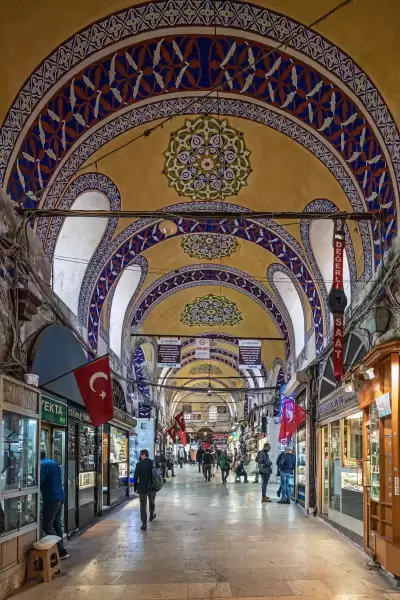
The Grand Bazaar is a frequently visited stop for those seeking a traditional shopping experience, with a wide range of products including clothing, jewelry, spices, souvenirs, and Turkish delight. Visitors note that there is a greater variety of souvenirs and prices can sometimes be more favorable compared to other shops in the city center. Positive experiences regarding currency exchange have also been shared; competitive rates can be found at some kiosks within the bazaar.
Price bargaining is a point particularly emphasized by visitors. In multiple comments, it is stated that prices can drop significantly when bargaining without hesitation. It is also shared that additional discounts can be obtained when paying in cash, and foreign currencies such as Euros are accepted in addition to Turkish Lira.
On the other hand, some points that visitors draw attention to include:
- The bazaar is quite large and has a labyrinthine structure, making it difficult to navigate; downloading a map in advance or identifying shops to visit can save time.
- Crowd density can make comfortable exploration difficult.
- One visitor emphasizes that prices are higher than outside the bazaar, while another comment points to exorbitant pricing; therefore, comparing prices before purchasing is recommended.
When to Visit
The bazaar is closed on Sundays and religious holidays, and open from 08:30 to 19:00 on other days. Going close to opening hours offers the opportunity to see the shops before the tourist crowds. In the afternoon, especially on weekends, the narrow streets become packed; some visitors find this intensity uncomfortable. Although the weather is hot in summer, the bazaar is covered, so you stay in the shade. It can be a preferred place even on hot days.
How to Get There
The most practical way is the T1 tram. Get off at the Beyazıt-Kapalıçarşı stop on the Kabataş-Bağcılar line and walk for 3 minutes. Those coming from the Anatolian side can get off at Sirkeci with Marmaray and transfer to the same tram line. A similar transfer route operates from Üsküdar. For those who want to come by bus, lines 336 and BN1 stop near the Fatih area, but the tram is faster for most visitors.
Other Nearby Places
The Grand Bazaar is right in the middle of the historical peninsula. Süleymaniye Mosque, Galata Bridge, and New Mosque can be considered within walking distance. Nuruosmaniye Mosque is adjacent to one of the bazaar's gates, making it easy to add to your visit on the same day. The Sahaflar Bazaar (Book Market) is also near the Beyazıt gate; it can be a separate stop for book lovers.
How Much Time to Allocate
1-1.5 hours is sufficient for those who just want to browse. If you plan to shop, bargain, and make a few coffee stops, it can extend to 2-3 hours. The bazaar is large, and the streets look similar. Exploring without rushing is more enjoyable.
Things to Pay Attention To
The most repeated warning in comments is about prices. Not accepting the first price offered in shops where prices are not displayed, and bargaining, is almost a rule. Some visitors have drawn attention to attempted scams; it is safer to shop at stores that clearly display prices. There are also comments stating that the same products are sold cheaper in the streets outside the bazaar. Comparing prices doesn't hurt.
Good Spots for Photos
The daylight filtering from above in the domed main corridors provides a good shot for photography. There are also points where you can go up to the roof of the bazaar; the view overlooking the roofs of the historical peninsula from here is a detail most visitors are unaware of. The shop windows on the jewelers' street are also colorful, a good option for rich compositions.
What to Buy
The jewelers' streets are known for their variety of gold and silver jewelry. Carpet and rug shops, leather products, evil eye beads, tiles, and copperware are also common. For spices, it's more logical to go to the nearby Spice Bazaar, which is a separate structure. Besides Turkish Lira, Euros and Dollars are generally accepted without problems.
This content originates from neresigezilir.com.tr and may not be copied without permission.
FAQ

Updated: