The Tiled Kiosk is Istanbul's oldest Ottoman civil structure, built in 1472 by Fatih Sultan Mehmet. Located within the Istanbul Archaeological Museums complex, the kiosk is known for its facade adorned with turquoise and navy blue tiles and its Seljuk-influenced architecture.
Rising within the historical fabric of Sultanahmet, right next to the entrance of Gülhane Park, the Tiled Kiosk was built in 1472 by order of Fatih Sultan Mehmet and holds the title of the earliest surviving example of Ottoman civil architecture in Istanbul. Located within the outer walls of Topkapı Palace, this structure was initially used as a summer pavilion; over time, it served as an imperial museum, opened its doors in 1953 under the name Fatih Museum, and was incorporated into the Istanbul Archaeological Museums in 1981.
The most striking feature of the building is its bringing of the iwan tradition of Central Asian and Iranian origin to Istanbul. With its portico supported by fourteen marble columns, its entrance iwan covered with mosaic tiles, and its interior consisting of six rooms, the kiosk presents one of the most original reflections of Seljuk aesthetics in the early Ottoman period. The turquoise and navy blue tile decorations adorning the exterior facade are precisely the element that gives the building its name and makes it unique in the Istanbul skyline.
Guide's Note
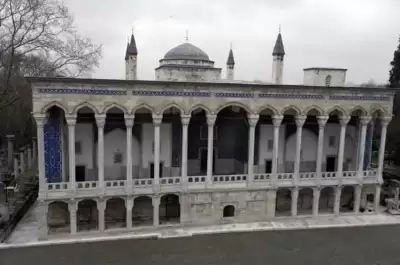
The Tiled Kiosk, located within the Istanbul Archaeological Museums complex, between Gülhane Park and Topkapı Palace, is one of the oldest known kiosks of the Ottoman Empire, built by Fatih Sultan Mehmet. Visitors emphasize that Islamic, Central Asian, and Eastern Roman influences are felt together in the building's architecture; this multi-layered style transforms the kiosk from a mere museum into a space that embodies the cultural vision of its era.
Currently functioning as a Tile Museum, the building exhibits examples of tile art from different periods. A point particularly highlighted by visitors is the unique red tone of Iznik tiles, which are said to be no longer produced. Fountain examples in the collection are also among the admired works.
There is one point to consider when planning your visit:
- Partial closures: One visitor reported that a significant part of the museum was closed. It is recommended to verify current open areas before going.
Istanbul's Glass Palace: The Story of the Tiled Kiosk
After conquering Istanbul, Fatih Sultan Mehmet built this kiosk as one of the first structures while reshaping the city. Completed in 1472, the building served as a viewing pavilion, located in a dominant position in the outer courtyard of the palace, also used for watching sports competitions and horse races. The tile inscription above the entrance gate is the most important document that carries the history and purpose of the building to the present day.
The kiosk has taken on different functions over the centuries. There were periods in the Ottoman era when it was used as a treasury and weapons depot. With the development of museology in the 19th century, it began to host imperial collections; in the Republican era, it was opened to the public in 1953 under the name Fatih Museum. Today, it exhibits Ottoman tile and ceramic works as an integral part of the Istanbul Archaeological Museums complex.
What to Pay Attention to When Taking Photos?
The Tiled Kiosk is virtually a natural studio for photography enthusiasts. The portico formed by fourteen marble columns offers captivating shots with depth and shadow play in the morning light. The turquoise and navy blue tiles covering the facade retain their color saturation even on cloudy days; in direct sunlight, they literally sparkle.
The mosaic tile compositions in the entrance iwan are perfect for close-up photography; the details of geometric and floral motifs reveal surprising complexity in macro shots. Since the back facade of the building is two-storied, it is possible to compose from different angles. Framed with the greenery within the complex and the Archaeological Museum building, the kiosk also provides a rich background for wide-angle lenses.
When to Visit?
As an indoor museum that can be visited in all seasons, the Tiled Kiosk is relatively independent of weather conditions. However, spring and autumn are preferred, as both the weather is mild and the greenery in the complex's garden is at its most vibrant. Given the tourist density in the Sultanahmet area during the summer months, coming in the early morning hours offers a much calmer experience.
Since the museum is closed on Mondays, you need to plan your visit accordingly. As opening hours may change on official and religious holidays, it is a good habit to check the official channels of the Istanbul Archaeological Museums before coming.
How to Get to the Tiled Kiosk?
The most practical way to reach the kiosk is by the T1 tram line. You can get off at the Gülhane stop on the Kabataş-Bağcılar route and walk 3-5 minutes to the entrance of the Istanbul Archaeological Museums complex. For those coming from Eminönü or Sirkeci, the walking distance is also quite reasonable.
For those preferring the metro, the closest stop is Marmaray Sirkeci Station; a short walk from there is sufficient. If you are coming by car, you can use the paid parking lots around Sultanahmet; however, given the narrow streets and heavy traffic in the area, public transport is always a smarter option.
What to Eat, Where to Go After Your Visit?
After visiting the Tiled Kiosk, you can relax in Gülhane Park a few steps away, or take a tea break at the cafe inside the park. It is also quite easy to walk to Sultanahmet Square and experience the classics of Turkish cuisine in the area's long-established restaurants.
The historical Grand Bazaar and Spice Bazaar are within walking distance; if you add these two bazaars to your afternoon program, you will add much more meaning to your day. The fish sandwich boats on the Eminönü pier are both an economical and Istanbul-specific culinary stop.
Suggested Route for the Complex
Since the Istanbul Archaeological Museums consist of three separate structures, it is much more efficient to consider the Tiled Kiosk not alone but within an integrated visit plan. You can enter the complex early in the morning, start with the Museum of the Ancient Orient, then move to the main Archaeological Museum building, and complete the tour with the Tiled Kiosk. Following this order makes it easier to feel the chronological flow of history.
We recommend allocating at least half a day to visit all three structures together. If you have energy in the afternoon, it is also possible to go from Gülhane Park to Topkapı Palace; this way, you will experience different layers of Ottoman history in a single day.
Things to Know Before Your Visit
Due to the historical structure and stone floors of the kiosk, wheelchair and stroller use is difficult; it is recommended to consider this before your visit. Photography is generally allowed indoors, but flash use may be restricted; it is necessary to follow the instructions of the staff.
The entrance to the complex covers the Istanbul Archaeological Museums ticket, so you do not need to purchase a separate ticket. Müzekart holders can benefit from free entry. During the peak tourist season, we recommend researching online ticket options to avoid ticket queues.
This content originates from neresigezilir.com.tr and may not be copied without permission.
FAQ
Tiled Kiosk videos load when you open this section to keep the page fast.

Updated: