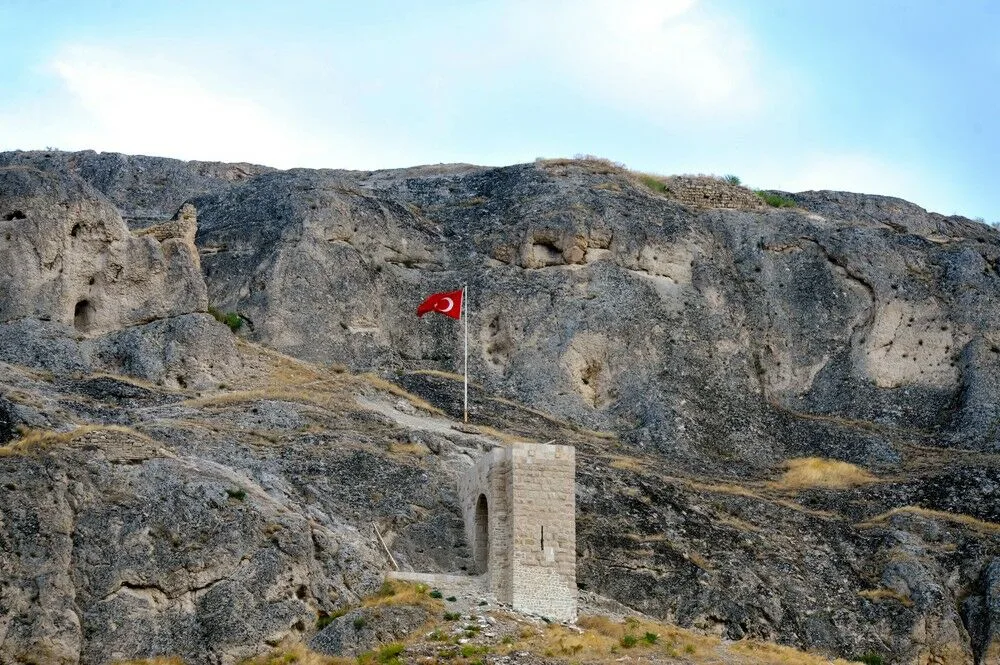
Zengibar Kalesi, Isparta'nın Şarkikaraağaç ilçesinde 1800 metre yükseklikteki Asar Dağı'nda yer alan, antik İsaura kentinin sur duvarları, zafer takı ve kaya mezarlarını barındıran Orta Çağ kalesi kalıntısıdır; giriş ücretsizdir.
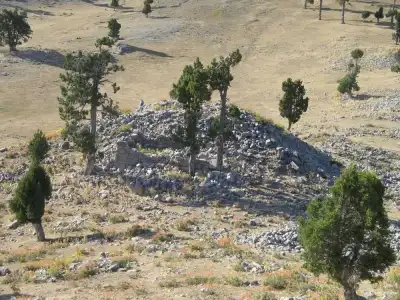
Zengibar Castle stands atop the mountain east of Muratbağı Village in the Şarkikaraağaç district of Isparta. Since its inscription has not survived, no one knows exactly when the castle was built, and there are no written records about it either. Today, only the foundation stones of the fortification walls extending toward the summit remain. However, the site boasts a much deeper history: it was also the ancient city of Isaura (Nova), a prominent Roman settlement dating back to 78 BC.
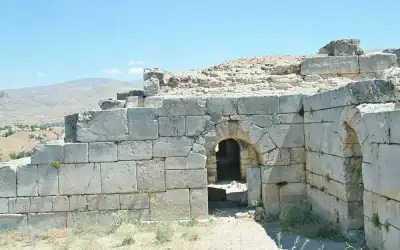
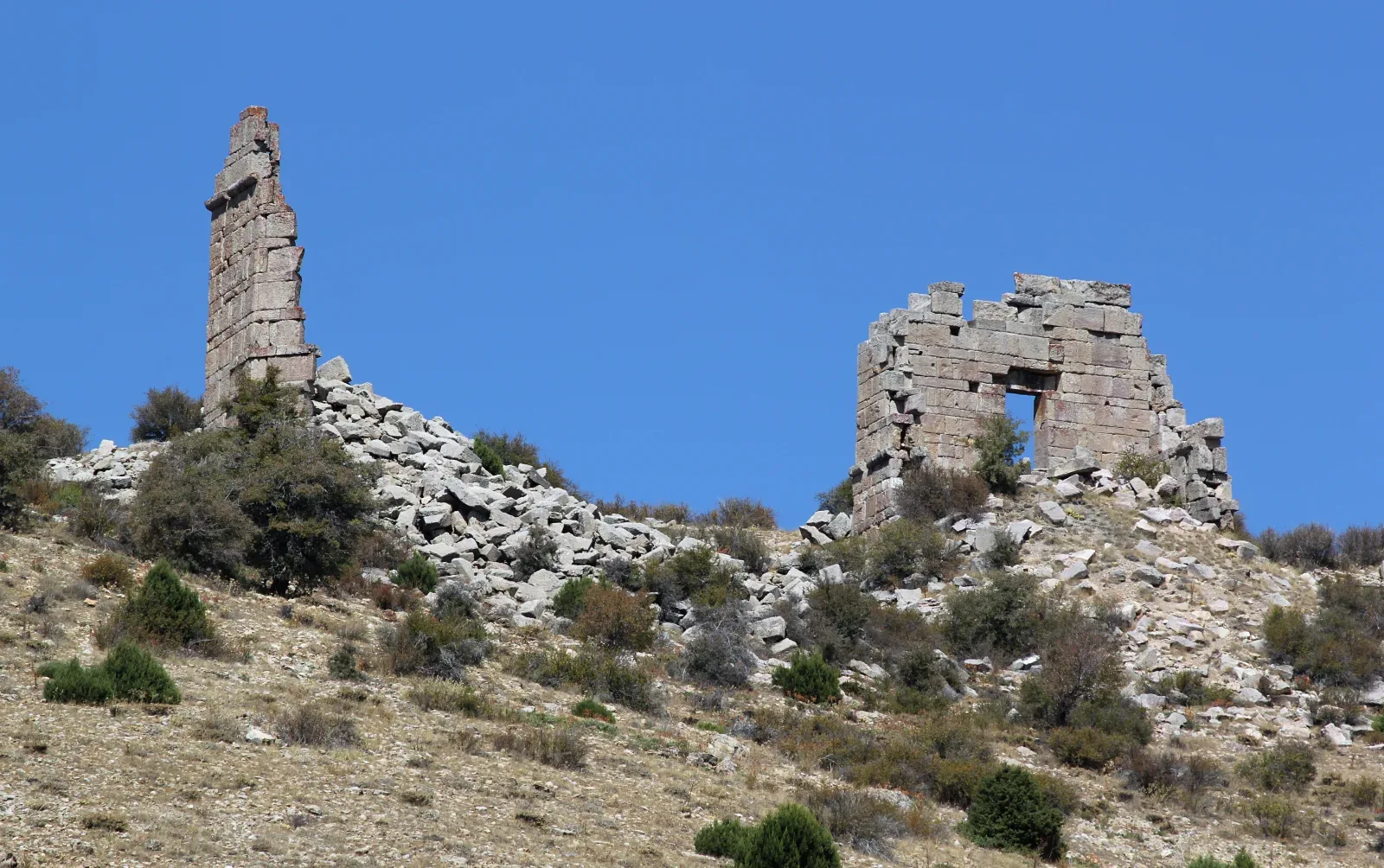
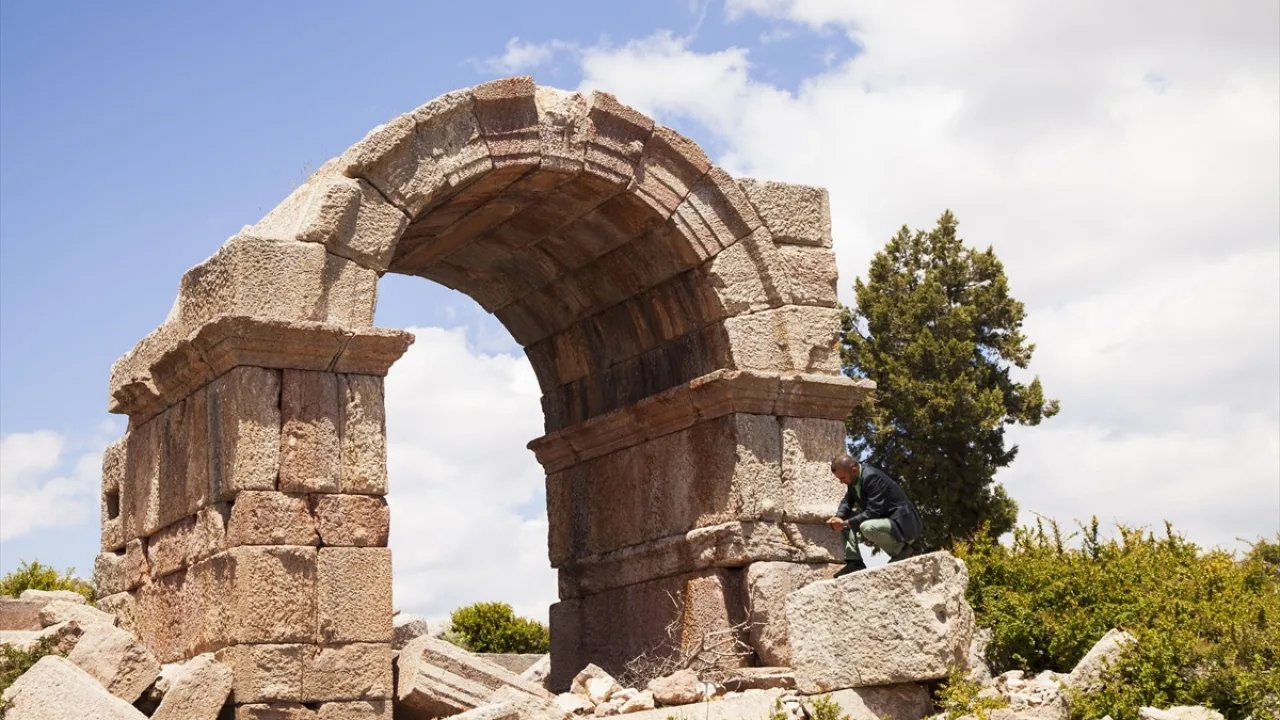
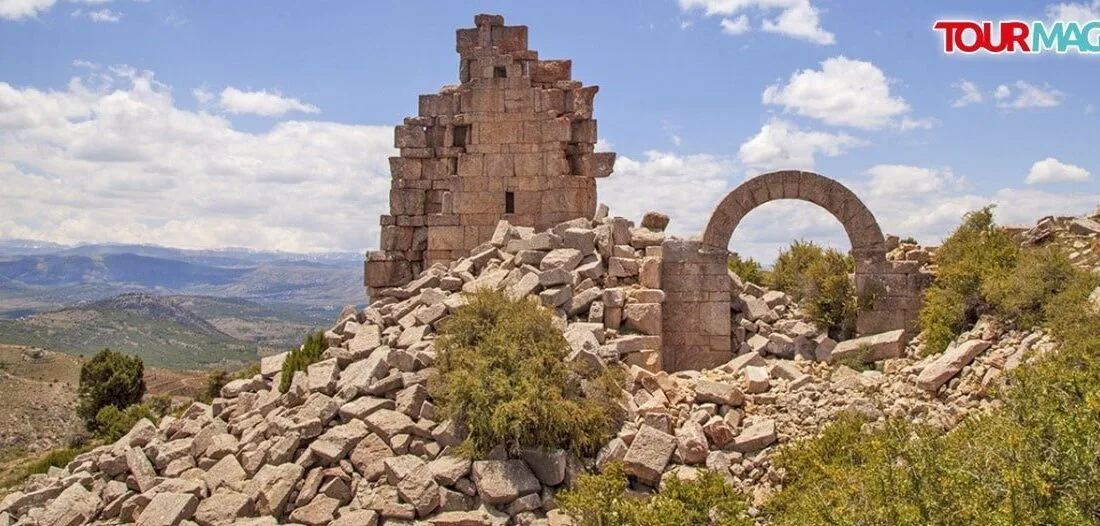
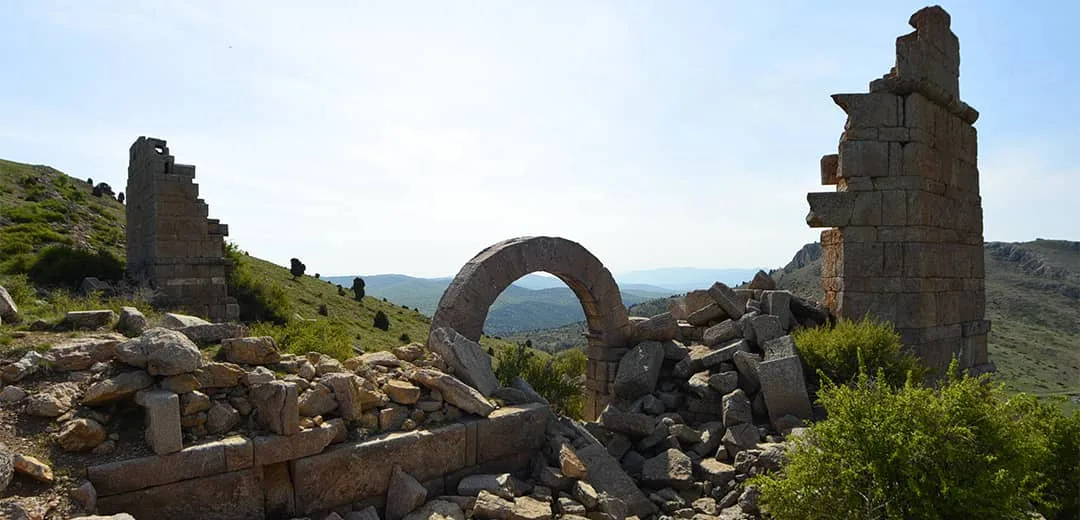
Visitors often refer to this place as the Ancient City of Isaura or the "Ephesus of Konya." According to popular visitor accounts, this city once housed 5,000 to 10,000 residents, leaving behind a triumphal arch, church ruins, rock tombs, and city walls reaching up to 15 meters in height. Nearly the entire hilltop is enclosed by these defensive walls, with two city gates still standing.
Reaching the site is not easy. Navigation apps frequently display incorrect directions, so it is best to follow the "Zengibar Kalesi" road signs and enter via Hacılar Village. Turn onto a red dirt road and bear right at the fork. At a certain point, driving becomes impossible, requiring visitors to park nearby and continue on foot. Because no excavation or restoration work has been conducted yet, the area remains entirely untouched—creating both its wild charm and its difficulty.
Guide's Note
Zengibar Castle or Isaura Ancient City?
The site goes by two names. Official records list the castle as a Medieval structure reduced to its foundation stones, impossible to date precisely due to missing inscriptions. However, the same hilltop is known as the ancient city of Isaura (Nova), an important Roman settlement around 78 BC. The triumphal arch, church ruins, and rock-cut tombs seen by visitors today belong to this ancient city. In other words, anyone visiting here does not just see a castle ruin, but a multi-layered ancient city.
Directions and Transportation
Reaching this site is the trickiest part of the journey. Navigation apps do not pin the location accurately, so keep an eye out for the "Zengibar Kalesi" sign on the main road. Enter Hacılar Village, pass below the mosque, and turn onto the red dirt road. After a short distance, the road forks; turn right here. An alternative route is available via Işıklar Village. Both village routes require about 4–5 km of dirt road driving. Visitors with standard passenger cars usually park roughly 750 meters below the ruins and hike up the hill.
How Much Time to Spend?
Allowing 1 to 2 hours is sufficient to explore the site thoroughly. Walking among the city walls, gate entrances, and the triumphal arch spread across the summit's plateau takes time. If you wish to descend to the southern slope, where rock tombs and lion reliefs are said to be located, you may want to extend your visit slightly.
Things to Keep in Mind
The road is rough and signage is lacking—a common complaint among visitors. Since no excavation or restoration work has been carried out yet, the site is completely wild and unmaintained, requiring careful footwork. During summer, dry weeds can grow knee-high, so we recommend wearing long trousers and sturdy hiking boots rather than shorts. Be sure to carry enough water and snacks, as there are no food or drink stalls along the path.
Best Photo Spots
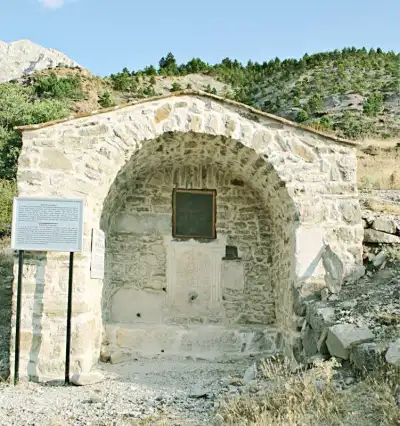
The remaining city wall, stretching up to 15 meters high, offers the most impressive photo backdrop. The panoramic hilltop view overlooking Mount Asar and its surrounding countryside is another favorite spot among visitors. Looking toward the grassy patch slightly to the right of where you park, directly opposite the city, you will also notice ruins of an ancient water spring.
Nearby Attractions
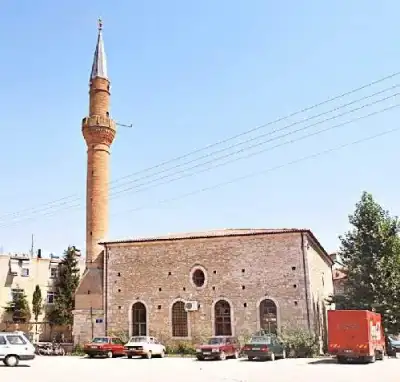
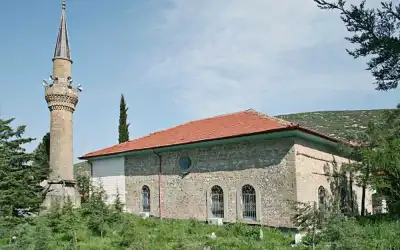
Visitors to Zengibar Castle often combine their trip with a visit to the Sultan Fatih Mosque and Ulu Mosque in downtown Şarkikaraağaç on the same day. Other lesser-known historic sites nearby include Ördekçi Castle and the Ancient City of Neapolis. However, given the challenging access road, devoting a dedicated day just to this area makes for a more comfortable itinerary.
Camping and Night Visits
Due to its high altitude and remote location free from light pollution, some visitors choose this spot for stargazing or camping. Keep in mind that there is no infrastructure, restrooms, or water sources on site. Anyone planning to camp must bring all their own supplies.
This content originates from neresigezilir.com.tr and may not be copied without permission.
Zengibar Castle (Isaura Ancient City) Videos
Zengibar Castle (Isaura Ancient City) videos load when you open this section to keep the page fast.
Show videos
FAQ

Updated: