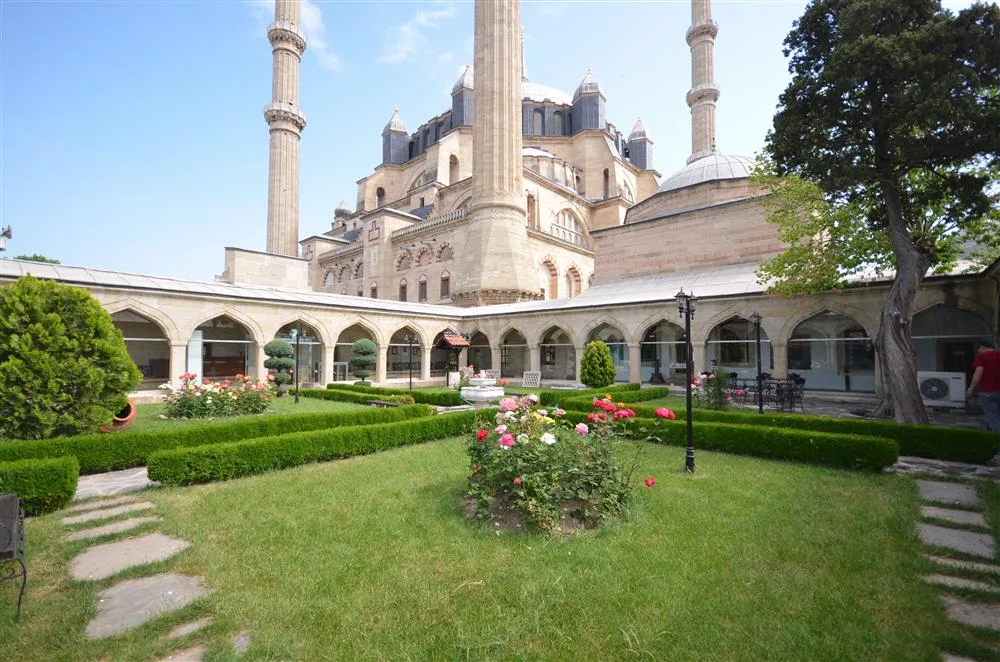
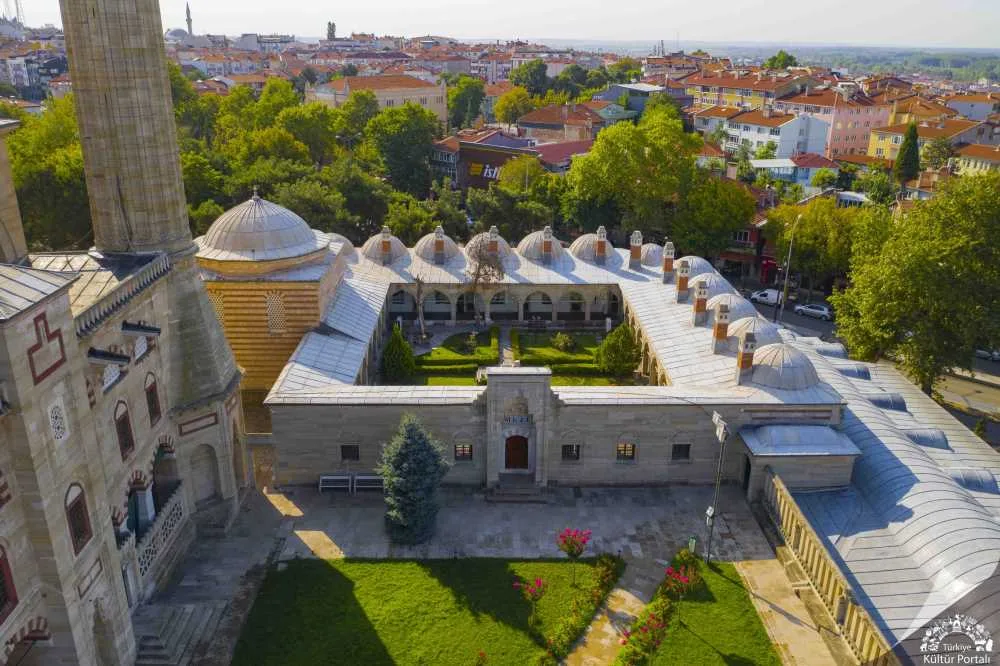
Selimiye Vakıf Müzesi, Edirne'de Mimar Sinan tarafından tasarlanan Darül Kurra Medresesi'nde yer alan ve Osmanlı vakıf kültürünü hat, çini, saat eserlerle sunan müzedir.
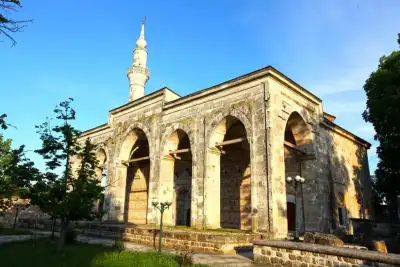
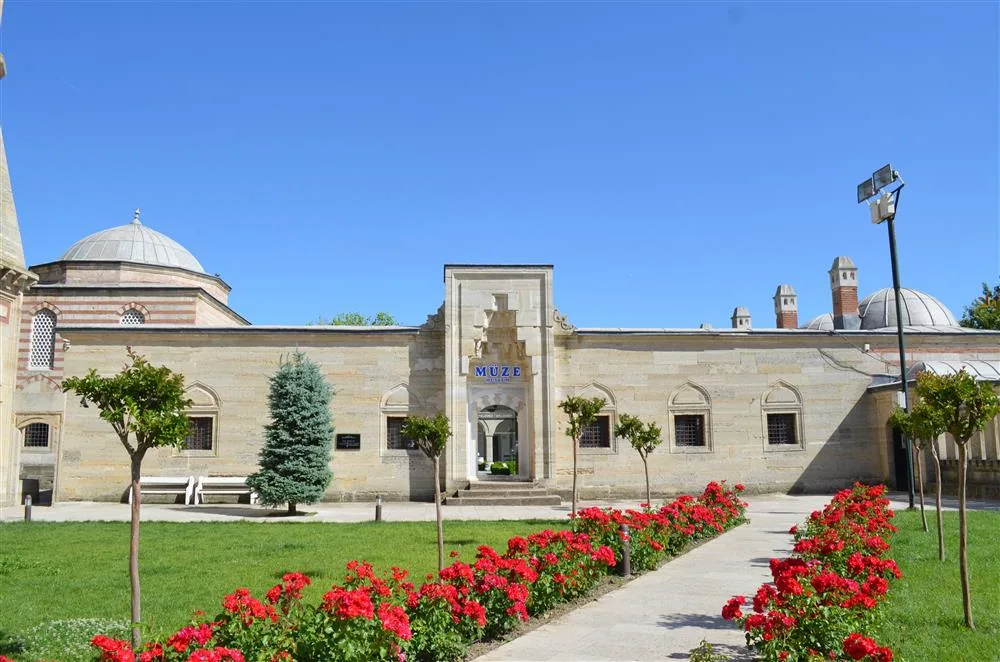
The Selimiye Foundation Museum operates in the Darül Kurra Madrasah building, located just southwest of the mosque. This structure, like the mosque itself, is a work of Mimar Sinan: it was built between 1569-1575 by order of Selim II and was used as an institution providing higher religious education for a long time until it was opened as a museum. It was restored and converted into a museum in 2007.
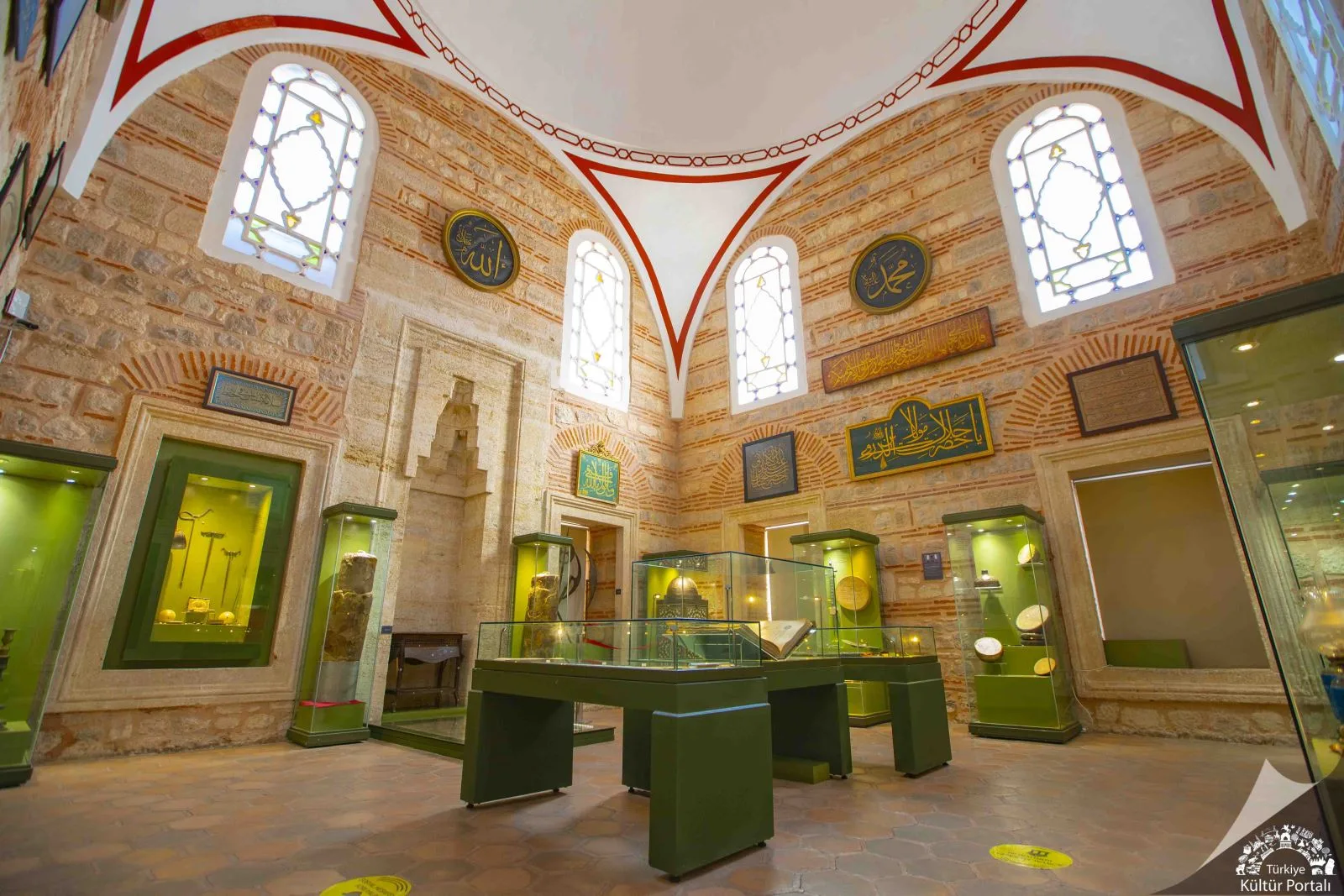
A large portion of the exhibited artifacts are donated items collected from waqf structures around Edirne and Kırklareli. Lecterns, Quran cases, tombaks, chandeliers, oil lamps, door knockers, historical clocks, and astrolabes are displayed in the former teacher and student rooms of the madrasah. In the classroom section, madrasah education of the period is brought to life with mannequins, and a separate section is dedicated to the life and works of Mimar Sinan.
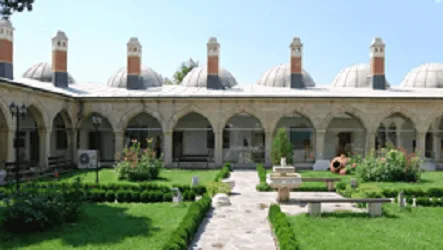
A point frequently mentioned by visitors is not to leave after visiting the Selimiye Mosque without stopping by the museum. Its courtyard is surrounded by porticoes, open in the middle, and a tranquil place; it can be thought of as a five to ten-minute break after leaving the mosque, but the number of artifacts to see inside is considerable. Since it is a small-scale museum, the visit does not take long. In return, it offers a good summary for understanding Edirne's waqf civilization and the Ottoman education system.
Guide's Note
Which Building Houses the Museum, What Does It Tell?
The Darül Kurra Madrasah, where the museum is located, was designed by Mimar Sinan along with the Selimiye Mosque. Completed between 1569-1575, the structure was used for many years as one of the Ottoman institutions providing higher religious education; after restoration, it was converted into a museum in 2007. The exhibited artifacts are mostly donated items collected from waqf structures around Edirne and Kırklareli, meaning objects related to the daily and religious life of the period, donated to waqf institutions.
What is Exhibited?
The artifacts are grouped by material: metal art (tombak, chandelier, oil lamp, door knocker), calligraphy, tile art, wooden artifacts, and historical clocks and astrolabes. The former teacher and student rooms of the madrasah house this collection. In the classroom section, the madrasah education system of the period is brought to life with mannequins; a separate corner features large panels explaining the life and works of Mimar Sinan.
When to Visit?
Most visitors to Selimiye Mosque also stop by the museum during the same visit, which is the most practical method. Visiting the mosque early and then moving to the museum before the crowds increase means both a peaceful tour and a more efficient use of the day. Since the museum is small, weather conditions or season do not significantly affect the visit.
How to Get There?
The museum is located at the southwest corner of the Selimiye Mosque courtyard. Everyone who comes to the mosque sees the museum entrance within a few steps. Since it is within walking distance from Edirne city center, urban transportation usually poses no problem; if you have a car, you can use the parking lots around Selimiye.
Visit Duration
The museum is not very large, and the number of rooms is limited. 30-45 minutes is sufficient for most visitors. If you plan it together with the Selimiye Mosque, the total trip takes about one and a half to two hours.
Things to Note
Entrance fees and Museum Card validity can be updated from time to time; it is healthiest to confirm via muze.gov.tr before going. If you are going as a group, it is recommended to inform in advance; no appointment is required for individual visits.
This content originates from neresigezilir.com.tr and may not be copied without permission.
Selimiye Foundation Museum Videos
Selimiye Foundation Museum videos load when you open this section to keep the page fast.
Show videos
FAQ
Updated: