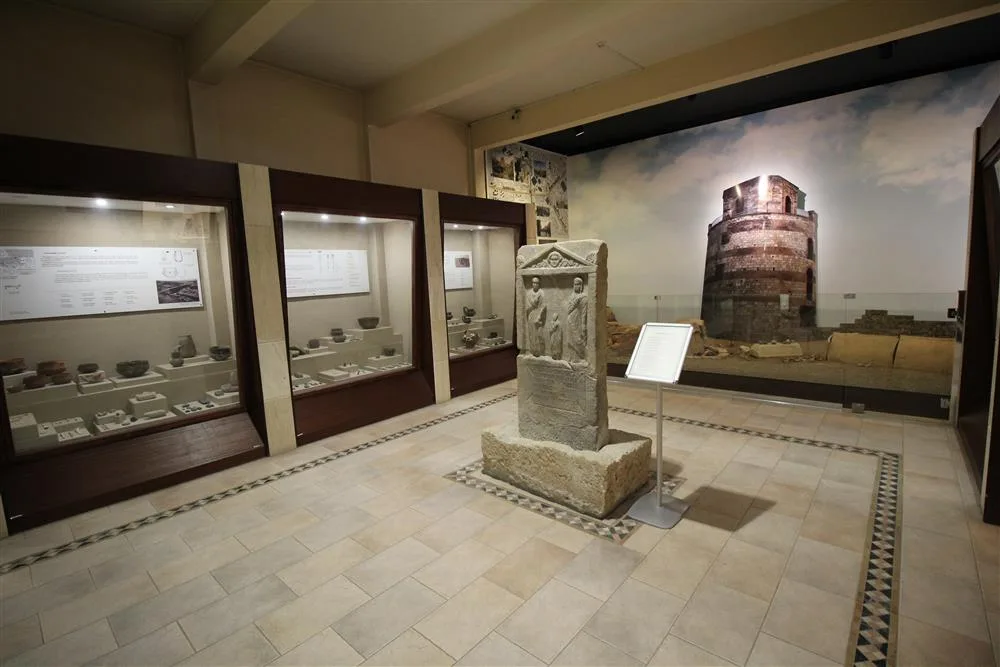
Edirne Arkeoloji ve Etnografya Müzesi, Selimiye Camii'nin doğusunda 1971'de açılan müze olup, Trak süvarisi stelleri, 30 milyon yıllık fosiller, Enez kazı buluntıları ve Balkan etnografyasını barındırır.
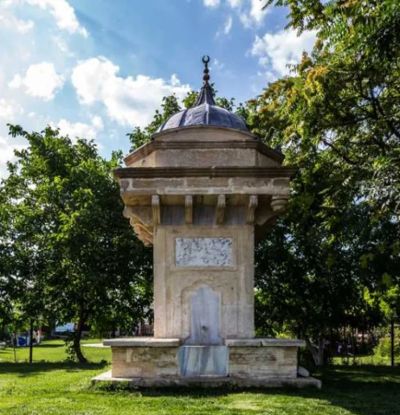
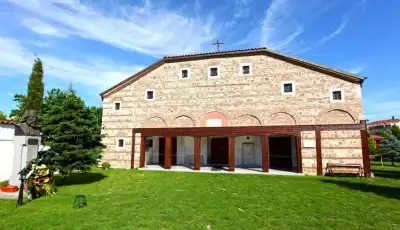
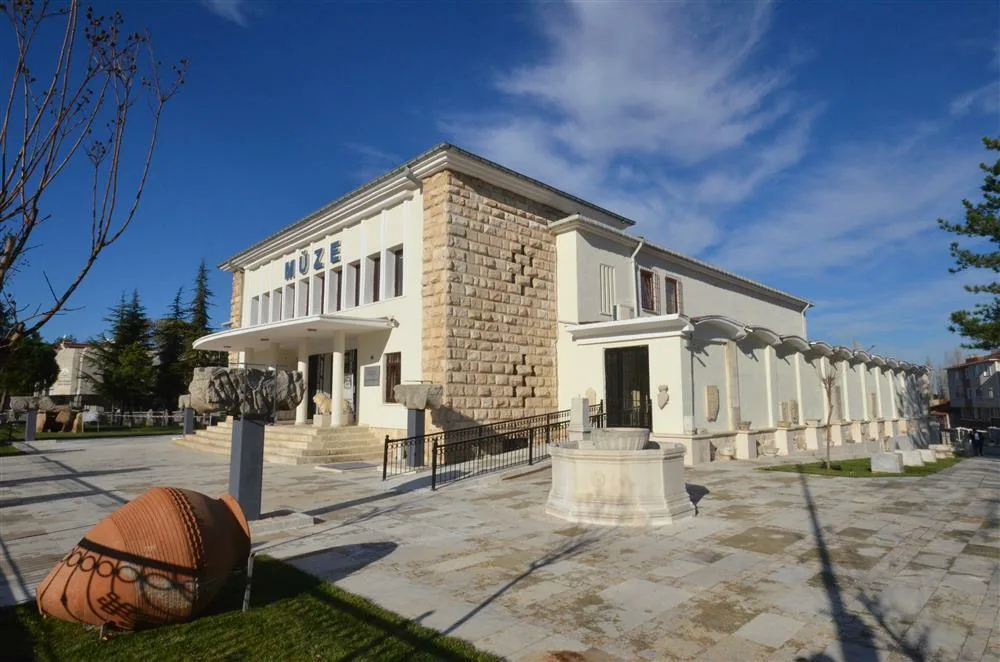
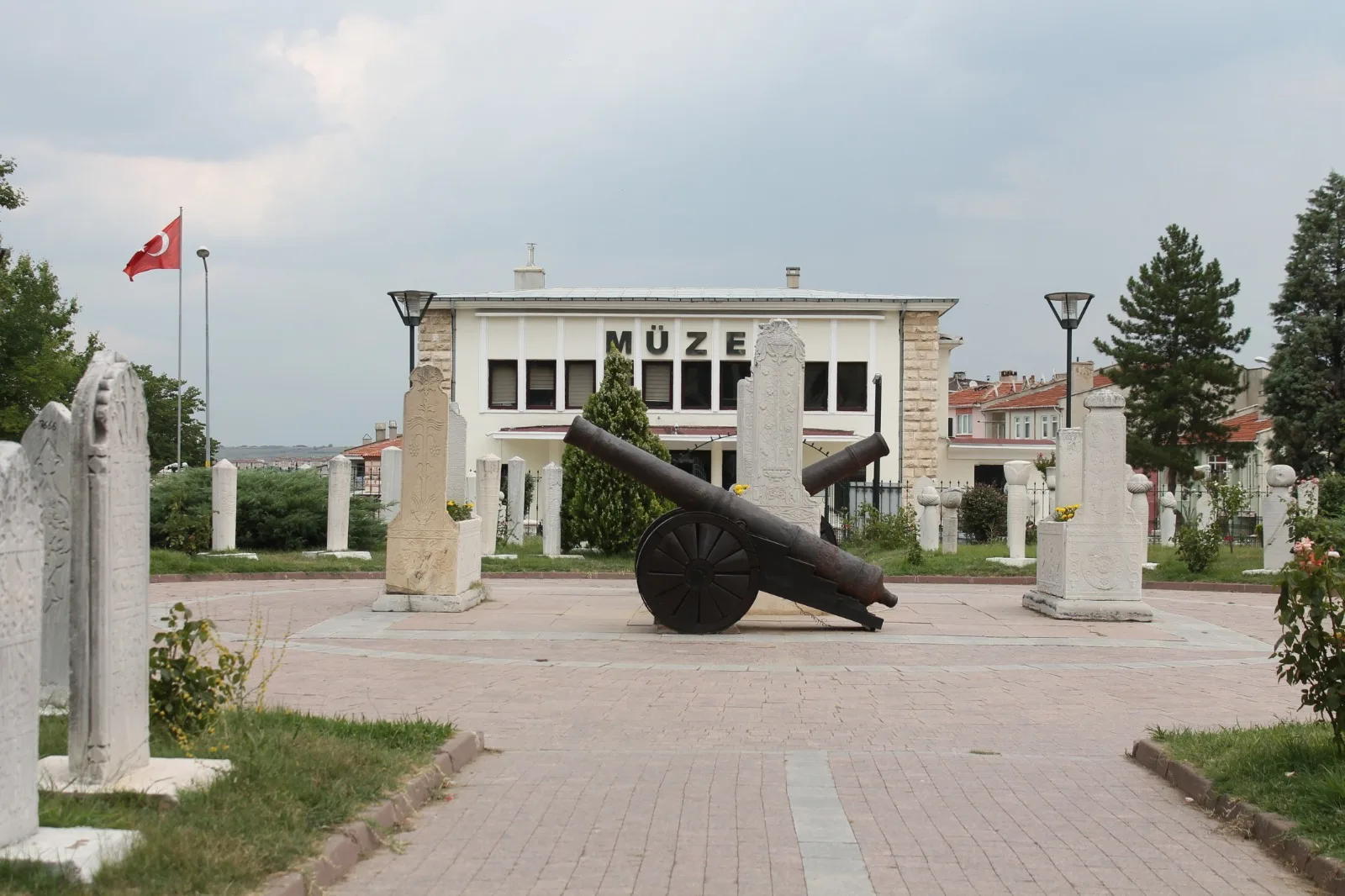
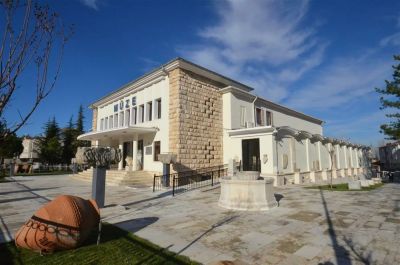
The Edirne Archaeology and Ethnography Museum stands just 50 meters from the eastern gate of Selimiye Mosque, right next to the display area for Ottoman-era gravestones. Construction began in 1969, and the museum opened its doors on June 13, 1971. It consists of two main sections: archaeology and ethnography. Its courtyard is also considered an exhibition area, featuring Ionic capital columns from a temple in Enez at the entrance, and Ottoman water-culture items such as fish ponds and bird fountains on the southern side.
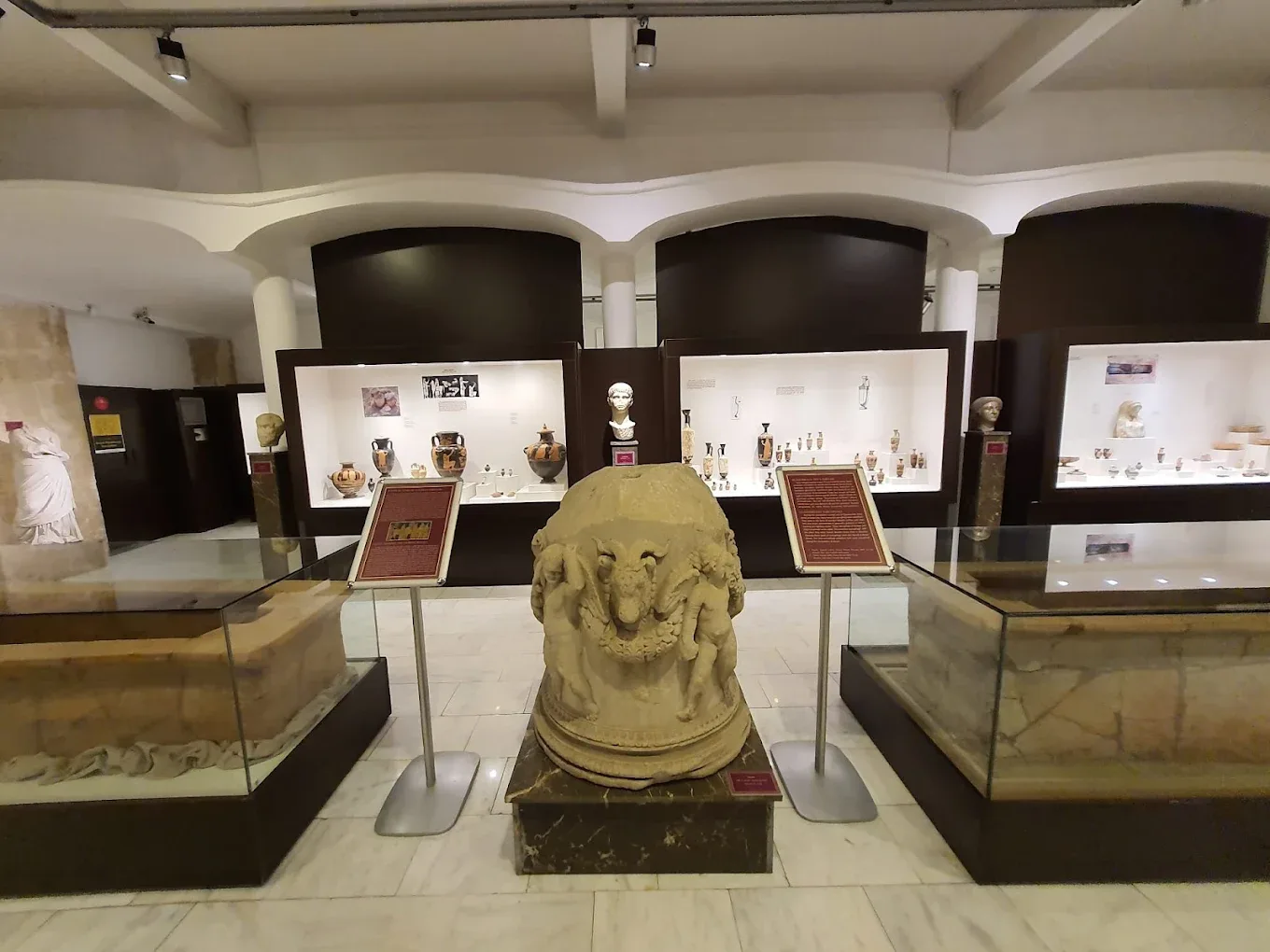
The archaeology section begins with fossils. Bone, tooth, and jaw fragments of animals such as rhinoceroses and horses dating back approximately 30 million years, discovered in and around Edirne, are on display. Following these are grave stelae depicting Thracian horsemen, which offer significant insights into the spiritual beliefs of the region's Thracian period. Figurative amphorae, terracotta figurines, ceramics, and marble sculpture fragments unearthed from ongoing excavations in Enez since 1971-72 also form a major highlight. Artifacts confiscated at border gates like Kapıkule and İpsala have also been added to the collection.
The ethnography hall showcases traditional Balkan clothing, examples of Islamic calligraphy, carpets, rugs, and a recreated Edirne bridal room and living room setup. Some of Mustafa Kemal Atatürk's personal items used during his visit to Edirne are also exhibited here. Visitors generally find the museum compact yet rich in content, with the sarcophagi and tombstones in the courtyard drawing as much interest as the indoor exhibits. Visiting Selimiye without stopping by this museum means missing out on Edirne's rich archaeological past.
Guide's Note
About the Museum
Construction of the museum began in 1969, and it opened to visitors on June 13, 1971. It consists of two main sections: Archaeology and Ethnography, with the courtyard serving as an additional open-air exhibition space. It is located just 50 meters from the eastern gate of Selimiye Mosque, right next to the Ottoman gravestone display area.
When to Visit
The museum is open daily from 09:00 to 19:00, with the ticket desk closing at 18:30. It makes great sense to visit on the same day as Selimiye Mosque, as they are virtually steps apart. The courtyard area can get warm around noon in summer, making morning visits more comfortable.
How to Get There
The museum is located in central Edirne, immediately east of Selimiye Mosque, making it easily reachable on foot from the city center. The nearest bus stop, Çınaraltı, is about 226 meters away (a 4-minute walk). If arriving by private vehicle, you can use the parking lots surrounding Selimiye Mosque.
How Much Time to Allocate
The museum is relatively compact; a total of 45 minutes to 1 hour is sufficient to explore both halls and the courtyard. Visitor reviews frequently note that while small, the museum is dense with valuable artifacts. Don't miss the Roman-era sarcophagi, dolmens, and menhirs scattered in the courtyard.
Suggested Itinerary
Heading straight here after visiting Selimiye Mosque is the most practical plan. Upon exiting the museum, the Museum of Turkish and Islamic Art and the Ottoman Gravestones Display Area are about 70 meters away, making it easy to visit all three in one round. Those with extra time can also proceed to the Fatih Sultan Mehmet Museum (approx. 580 meters away).
Entrance Fee & Museum Pass
Turkish citizens with a Museum Pass (Müzekart) enter for free. If you don't hold a pass or are an international visitor, check current ticket prices at the box office or official online channels. Note that older reviews referencing entry fees in Euros may be outdated.
Best Photo Spots
The sarcophagi, tombstones, and Ionic column capitals in the courtyard provide great framing for historical photos. Indoors, the Thracian horseman stelae and the traditional bridal room arrangement in the ethnography hall are key highlights.
Things to Keep in Mind
The museum is not fully adapted for wheelchairs or strollers, as there are raised steps and thresholds between courtyard sections and halls. Since part of the exhibition is outdoors in the courtyard, bringing a hat or water during summer months is recommended.
This content originates from neresigezilir.com.tr and may not be copied without permission.
Edirne Archaeology and Ethnography Museum Videos
Edirne Archaeology and Ethnography Museum videos load when you open this section to keep the page fast.
Show videos
FAQ
Updated: