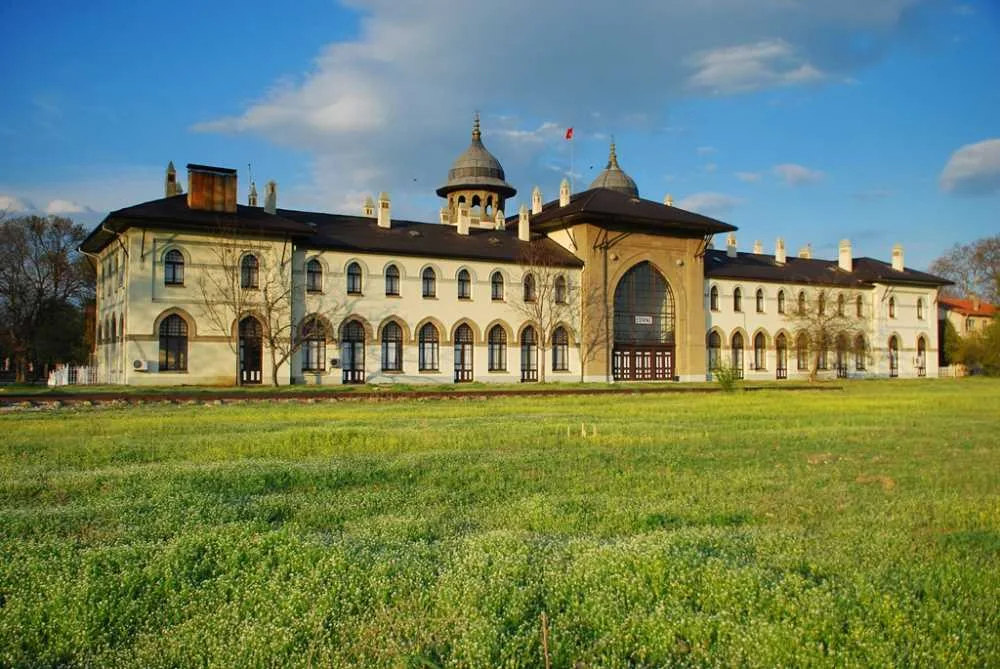
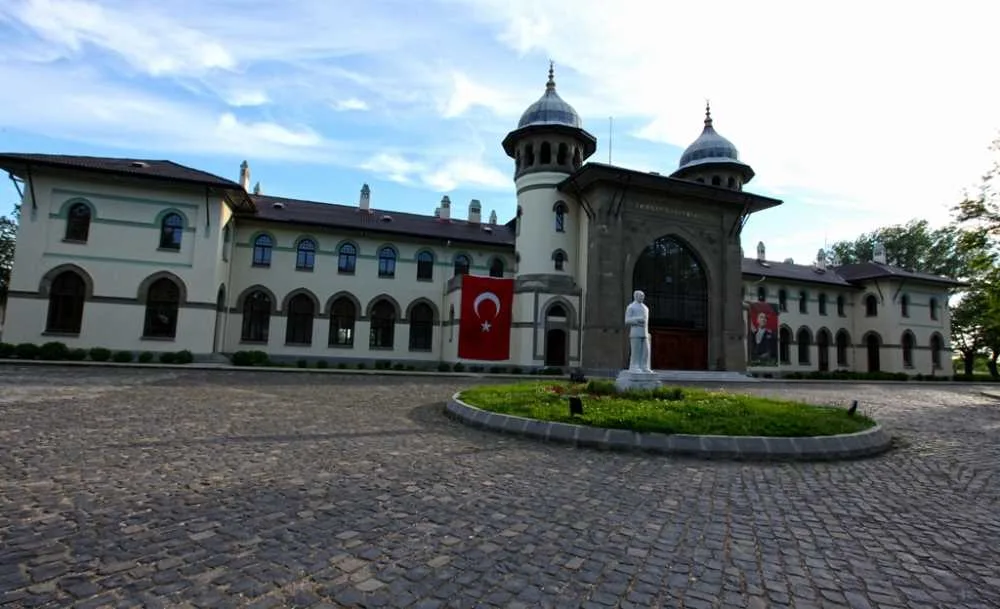
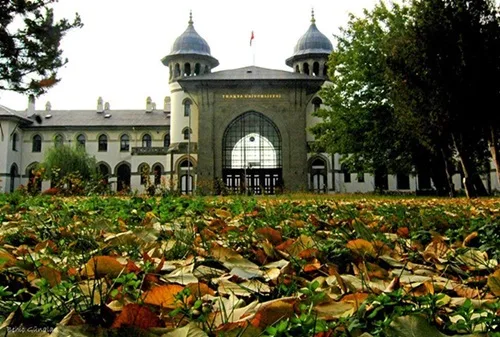
Karaağaç Tren Garı, Edirne'nin Meriç kıyısında 1914'te Mimar Kemalettin Bey tarafından inşa edilen neoklasik istasyon binasıdır; bugün Trakya Üniversitesi Güzel Sanatlar Fakültesi olarak işletilmekte, bahçesinde buharlı lokomotif ve Lozan Anıtı yer almaktadır.
Karaağaç Train Station is an 80-meter-long, three-story structure located approximately 5 kilometers from the center of Edirne, right on the banks of the Maritsa River. It was commissioned by the Oriental Railway Company and designed by Architect Kemalettin Bey, completed in 1914. History did not grant it a long period of fortune: when World War I broke out, the route changed, and Karaağaç remained outside Ottoman borders for a while. With the 1923 Treaty of Lausanne, the territory returned to Turkey, and the station officially entered service in 1930. The main railway connection was severed in 1971 with the construction of a new station in Edirne; the building was used as a military outpost for a period, then transferred to Trakya University.
Today, the structure functions as the university's Faculty of Fine Arts. The wide hall in the middle of the brick-walled station and the facades reflecting the railway architecture of the period are still standing. The steam locomotive in the garden is the most photographed spot by visitors. Right next to it are the Lausanne Monument, commemorating the Treaty of Lausanne, and a small museum. Visitor comments highlight the nostalgic atmosphere of the architecture and the historical significance of the region; although some note the lack of additional services or information in the area, the comment "a must-see place when you go to Edirne" is frequently repeated.
Recently, there was a debate regarding the entrance fee. The university had started charging an entrance fee of 40 TL for students, 80 TL for local visitors, and 120 TL for foreign tourists, with only Mondays being free. As a result of a lawsuit filed by the Edirne Bar Association, the court found this practice unlawful and halted it. Currently, entry appears to be free, but since it is located within a university campus, it is advisable to check the current status before visiting.
Guide's Note
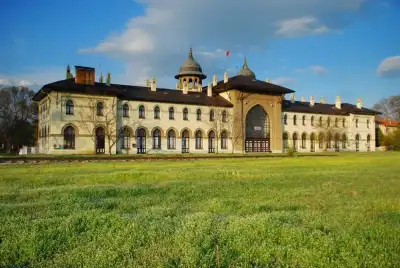
The Story of Karaağaç Train Station
The station was commissioned by the Oriental Railway Company to Architect Kemalettin Bey during the reign of Abdülhamid II and completed in 1914. Before it could become operational, World War I broke out, and the route changed; Karaağaç remained outside Ottoman territories for a while. With the Treaty of Lausanne signed on July 24, 1923, the region was returned to Turkey, and the train station came under Turkish administration again on September 14, 1923. It could only officially begin service in 1930. When the Pehlivanköy-Edirne line was completed in 1971, a new station was built in Edirne city center, and Karaağaç's railway duty ended on October 4, 1971. The building, only 4 kilometers from the Greek border, was used as an outpost during the 1974 Cyprus Operation, and was subsequently transferred to Trakya University.
How to Get There
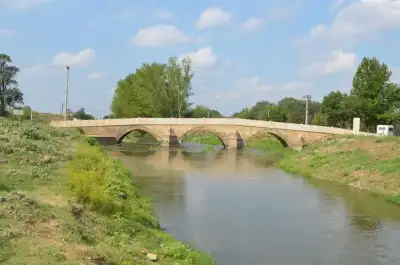
Walking from Edirne city center, crossing the Maritsa Bridge, is the most common choice; it takes approximately 25 minutes. Minibus lines going to Karaağaç are also frequent. If you are going by your own car, there is free parking in the area. For those who want to cycle, Edirne's bicycle paths offer a suitable route.
Best Time to Visit
In the morning hours, the light hits the station facade more beautifully, which is advantageous for those who want to take photographs. Spring and autumn offer more comfortable weather for a walk along the Maritsa riverbank. In summer months, early hours can be preferred to avoid the midday heat.
Photo Spots
The steam locomotive in the garden is the most preferred shot. The long facade of the station, especially with its brick texture and symmetrical windows, is suitable for wide-angle photographs. The area around the Lausanne Monument is another frequent stop for visitors.
What's Nearby
Right next to it are the Lausanne Monument, commemorating the Treaty of Lausanne, and a small museum, which can be visited together. The Karaağaç region is also known for its cafes and walking areas along the Maritsa River; it is possible to spend time by the river after visiting the station.
Things to Note
Since the building is actively used by Trakya University Faculty of Fine Arts, entry to some indoor areas may be restricted during class periods. There have been changes regarding the entrance fee in the past; although the paid practice was halted by a court decision, it is advisable to confirm the current status on-site or from an official source. Additional services such as toilets or information desks may not be available in the area, so plan accordingly.
How Much Time to Allocate
Exploring the exterior of the station building, seeing the locomotive in the garden, and visiting the Lausanne Monument takes a total of 45 minutes to 1 hour. If you add a walk along the Maritsa riverbank, this time may extend a bit.
This content originates from neresigezilir.com.tr and may not be copied without permission.
Karaağaç Train Station Videos
Karaağaç Train Station videos load when you open this section to keep the page fast.
Show videos
FAQ
Updated: