Konuralp Müzesi, Düzce'nin Konuralp beldesinde antik Prusias ad Hypium kentinden çıkarılan eserleri barındıran müzedir; bina deprem riski nedeniyle kapalı olup bahçesindeki lahit, sütun ve mezar stelleri görülebilmektedir.
Konuralp Museum was opened in 2003 in the town of Konuralp, on the Düzce-Akçakoca highway, to house artifacts unearthed from the ancient city of Prusias ad Hypium. It has three halls for archaeology, ethnography, and stone artifacts, and two coin sections; a total of 1817 archaeological, 469 ethnographic pieces, and 3861 coins are registered. The most well-known piece in the collection is the Statue of Tyche. This work, depicting the protective goddess of cities, is a Roman-era copy from the 2nd century AD of a 4th-century BC original. The 45-square-meter Orpheus Mosaic in the stone artifacts hall is another striking piece: Orpheus playing his lyre in the center, surrounded by seasons and animal figures.
Currently, the museum building is closed. According to frequent visitor comments, the building was deemed unsafe due to earthquake risk, and entry has been stopped for years for safety reasons. Some visitors mention a notice posted on the door, while others write that they went without seeing any warning and found the door closed. You may need to check the current status before going via Google Maps.
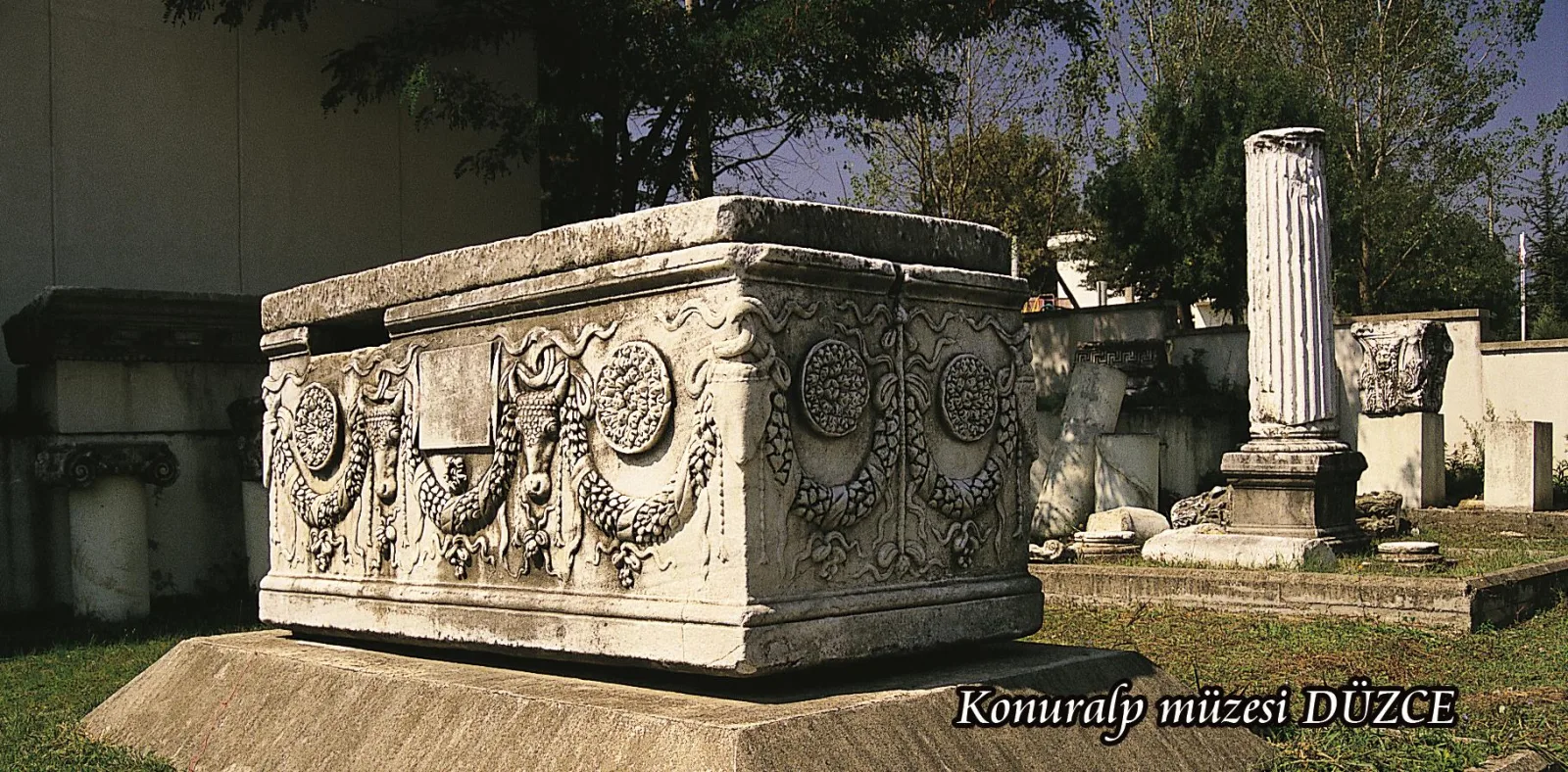
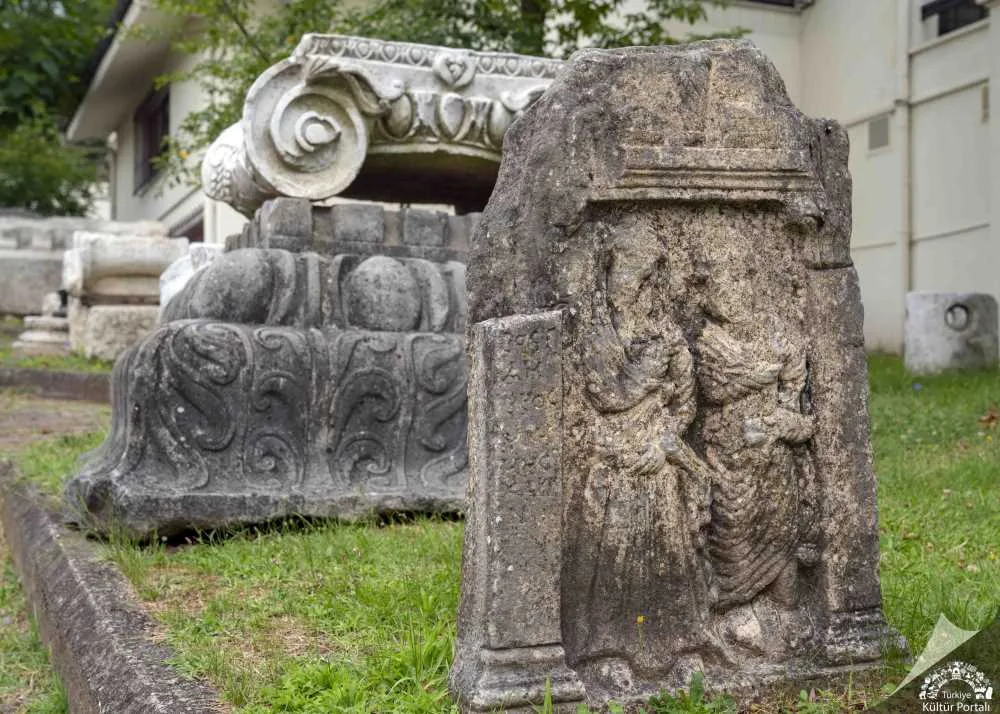
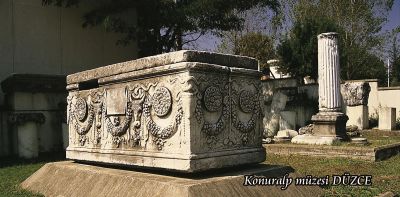
Nevertheless, the museum garden can still be visited. Roman-era architectural pieces, column capitals, grave steles, and a large marble sarcophagus are displayed in the open air. Comments indicate that this section is considered remarkable. If your path takes you through Konuralp, you can stop for a short break to see the ancient city's remains.
Guide's Note
Is the Museum Currently Open?
There's a common point in most visitor comments: the museum building has been closed for years due to being deemed unsafe for earthquakes. Some comments mention a notice posted on the door, while others state they went without any warning and found it closed. Although official records show it open from 08:30-17:30, entry is not actually possible. Before you go, inquire about the current status via the museum's phone number or social media accounts to avoid wasting time.
How to Get to Konuralp
Konuralp can be reached quickly from Düzce city center by taxi or minibus. If you are going by your own car, head towards Konuralp town via the Düzce-Akçakoca highway; the museum is at the town entrance. For those using public transport, K14-B Konuralp and K13 Konuralp stops are the closest options; from there, it takes approximately 5 minutes to walk to the museum.
How Much Time to Allocate
While the museum is closed, a garden visit will take 10-15 minutes. During periods when it is open, a visit including the three exhibition halls and coin sections can be estimated at 45-60 minutes. If you are going to Konuralp, it is more logical to combine the museum with the ancient city and theater ruins for a half-day program.
Visit Together with the Ancient City
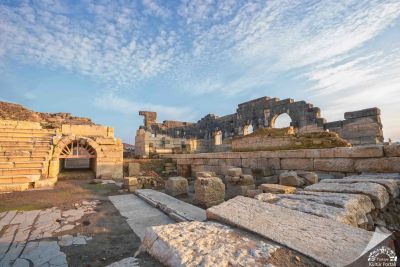
Most of the artifacts you see in the museum garden were unearthed from the ancient city of Prusias ad Hypium, about 500 meters away. If your path takes you to Konuralp, visiting the museum along with the ancient theater ruins compensates for the time spent on a closed museum. Animal figures from the Roman period can still be discerned on the marble steps of the small theater.
Artifacts in the Garden
Even though the museum building is closed, architectural pieces, column capitals, grave steles, and a large marble sarcophagus from the 1st century displayed in the garden can still be seen. Comments indicate that this open-air exhibition is considered remarkable. Natural light at noon shows the reliefs on the stone surfaces more clearly.
Things to Know Before You Go
There are instances where the museum appears open on Google Maps, but the building is actually closed. Although there may be staff working on-site, tourists are not admitted inside. If you are coming from afar, plan not just for the museum but also for the ancient city and other stops in the vicinity; you won't be disappointed.
About the Collection
The majority of the artifacts in the museum belong to the Bronze, Hellenistic, and Roman periods. Among the chronologically arranged finds in the archaeology hall, the Statue of Tyche stands out; this statue, dating to the 2nd century AD, carries a crown symbolizing city walls on its head and a cornucopia in its arm. The ethnography hall displays traditional clothing, kitchenware, lighting tools, and weapons. The Orpheus Mosaic in the stone artifacts section was once the floor pavement of a Roman villa.
This content originates from neresigezilir.com.tr and may not be copied without permission.
Konuralp Museum Videos
Konuralp Museum videos load when you open this section to keep the page fast.
Show videos
FAQ
Updated: