Koca Yayla is a recreation area of approximately 400,000 m² located in the Keles district of Bursa, at an altitude of 1,100 meters on the southern slope of Uludağ, surrounded by black pine forests. Entry is free, and it is a popular spot for picnics and nature walks on weekends.
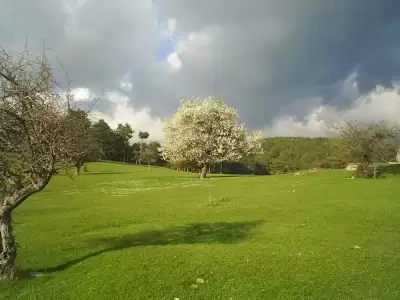
Koca Yayla, located approximately 4-5 km southeast of Keles district center, is a large high plateau leaning against the southern slopes of Uludağ, covered with dense black pine forests. Thanks to its altitude of 1,100 meters, the plateau offers cool weather even in summer, making it a frequent destination for visitors from Bursa and surrounding provinces for picnics, nature walks, and relaxation. With an area of approximately 400,000 m², Koca Yayla is considered one of Bursa's largest recreation areas and has tourism potential to attract visitors not only in summer but all four seasons.
The historical roots of the plateau date back to the early Ottoman period. The region has been shaped by the tradition of transhumance for centuries, hosting animal husbandry and agricultural activities of surrounding villages. Today, basic services are offered to visitors with infrastructure developed around the Keles Kocayayla Tourism Facility. Every year during the Kocayayla Festivals, thousands of people from Bursa city center and neighboring districts flock to this green area; local foods, music, and traditional events complete the social fabric of the plateau.
Guide's Note
Best Time to Visit
The most suitable period to visit Koca Yayla is between late May and early October. During these months, the black pine forests offer their most vibrant green, the weather remains significantly cooler compared to the Bursa plain, and picnic areas operate at full capacity. Weekends are quite busy; if you want a quieter visit, it would be wise to prefer weekday mornings.
In winter, the plateau can be covered in snow. It is important to check the weather conditions for Keles district and have winter tires on your vehicle before setting off. In spring, the plateau takes on a completely different appearance with early blooming flowers and fresh greenery; however, dirt roads can be muddy in March-April.
How to Get to Koca Yayla?
The most common route to reach Koca Yayla from Bursa city center is the Bursa-Keles highway. This approximately 60 km road is largely asphalt and takes an average of 1 to 1.5 hours. After reaching Keles district center, it is sufficient to follow the signs leading to the plateau; the recreation area is located approximately 4-5 km southeast of the district center.
If you are coming from İnegöl, you can use the İsaören-Çayyaka-Boğazova route; this line is approximately 36 km and consists entirely of asphalt road. Since public transportation options are quite limited, a private car or rental car is the most practical method of transportation. It is also known that the plateau is visited as part of organized nature tours from Bursa.
What to Eat, Where to Eat?
One of the most distinctive features of Koca Yayla is its picnic culture. The vast majority of visitors bring their own food and set up tables under the shade of black pines. Barbecue facilities are available; however, remember that fires should only be lit in designated areas to prevent fire risk.
Around the Keles Kocayayla Tourism Facility, there are small businesses offering tea, breakfast, and basic food. Local village breakfast and fresh clotted cream are among the flavors that must be tried in this region. During the Kocayayla Festivals, stands selling local products are set up; homemade molasses, jams, and dairy products are offered for sale.
Photo Spots
Koca Yayla offers multiple options for taking photos. Paths winding through the black pine forests are ideal for those who want to capture rays of light filtering into the forest, especially in the early morning hours. A wide panorama can be obtained by looking at the southern slopes of Uludağ from the open areas of the plateau.
In spring, flowery meadows, and in autumn, the forest cover turning yellow offer different color palettes. During the Kocayayla Festivals, participants wearing local costumes and traditional events also provide rich material for those interested in documentary photography.
Things to Consider Before Visiting
Considering a few practical points before going to Koca Yayla will make your visit more enjoyable. Since the plateau is at an altitude of 1,100 meters, it can be a few degrees cooler than the city; do not forget to bring a cardigan or a light jacket. Especially in the evening, the temperature can drop significantly.
On weekends and holidays, the recreation area can be busy; arriving early will make it easier to find parking and provide a calmer nature experience. To prevent forest fire risk, fires should only be lit in permitted areas, and trash must be taken with you. Since a part of the road passes through mountainous terrain, it is recommended to drive carefully.
General Information About Koca Yayla
Koca Yayla is a recreation and picnic area of approximately 400,000 m² located on the southern slope of Uludağ, belonging to the Keles district of Bursa. With its altitude of 1,100 meters, the plateau offers a cool alternative for those who want to escape the summer heat, standing out with its wide plains covered with black pine forests and clean air. With its historical past dating back to the Ottoman period, the region maintains its feature as an important geography where the tradition of transhumance is kept alive.
The annual Kocayayla Festivals have transformed the region into a cultural event beyond just a picnic area. These festivals, attended by thousands of people from Bursa city center and surrounding districts, create a colorful atmosphere with local music, traditional games, and handicraft sales. The Keles Kocayayla Tourism Facility provides basic conveniences to visitors in terms of infrastructure services.
This content originates from neresigezilir.com.tr and may not be copied without permission.
Koca Plateau Videos
Koca Plateau videos load when you open this section to keep the page fast.
Show videos
FAQ

Updated: