
Bursa Places to Visit
Bursa, a city that breathes history in every corner, is located on the lands where the Ottoman Empire was founded. Conquered by Orhan Gazi in 1326 and declared the first capital, Bursa takes you on a journey through time…


When to Visit?
Bursa is a city that offers different beauties in all four seasons, but your itinerary will change significantly depending on the season. In summer, you can skip the hot plain and go up to the Uludağ plateaus, and in spring and autumn, you can comfortably explore the city center in mild weather. Winter is the golden age for ski enthusiasts: snow quality in Uludağ is generally ideal from late December to mid-March.
If you want to have breakfast among the spring flowers in Cumalıkızık, April–May is perfect; you can choose autumn to coincide with the chestnut festival. Tourist spots in the city center get crowded on weekends and public holidays, so a weekday visit is more peaceful. Avoiding the cable car queue is also easier this way.
How to Get There?
Transportation to Bursa is very diverse: buses operate from all corners of Turkey, and the city's terminal is on the new Yalova road, 10 km away. If you are coming from Istanbul, the Gebze–Orhangazi–İzmir Highway via the Osmangazi Bridge is a stylish option; although the bridge toll is high, the travel time is shorter. Alternatively, you can take the IDO sea bus via Yalova to Mudanya or Güzelyalı pier and continue by road from there; traveling with a view is nostalgic and enjoyable.
If you are coming by plane, the nearest airport is Yenişehir Airport, but since the number of flights is limited, planning a bus or car transfer from Istanbul airports is generally more practical. Public transportation (bus, tram) offers a wide network within Bursa, but if you are going to surrounding villages like Cumalıkızık or Gölyazı, your own car or a daily rental car will make your job easier.
City Transportation
Bursa's central districts are connected by a tram line; you can easily reach historical areas like Ulus, Osmangazi, and Yıldırım by public transport. Kent Kart usage is widespread, and you can find card sales offices at a few points like the airport. City buses are frequent and cheap, but traffic can cause some delays during peak hours.
To go up Uludağ by cable car, you need to reach Teferrüç station, where there are minibuses or buses from central points. Although you can go to out-of-center places like Cumalıkızık, Gölyazı, or Mudanya by dolmuş and municipal buses, travel time can be long; if you plan to visit more than one village in a day, renting a car saves time. Finding parking in central areas can be a bit challenging, but paid parking lots are available near most tourist attractions.
How Many Days Are Enough?
Two days are considered the minimum sufficient to see Bursa's city center: one day you can explore the historical texture such as the Grand Mosque, Green Tomb, and Koza Han, and on the second day, you can have breakfast in Cumalıkızık and go up Uludağ by cable car. However, if you include the İznik, Gölyazı, Mudanya–Tirilye route in the surrounding area, it makes sense to extend it to three–four days.
If you are planning a ski holiday in winter, you can stay on the mountain for a few days and enjoy the slopes; in this case, a city center tour deserves a separate weekend. Those who prefer a thermal holiday make three–five night programs for relaxation in spa hotels in the Çekirge region. In any case, Bursa should not be rushed; it likes to be explored at a peaceful pace.
Suggested Itinerary
Start your first day in the central Osmangazi district: visit the Grand Mosque early in the morning (your chances of taking photos without crowds increase), then take a tea break at Koza Han and browse silk products. After having lunch at an İskender restaurant around Kayhan Bazaar, see the Green Tomb and Green Mosque. In the evening, go up to the Tophane district and watch the city view from the tea gardens.
On the morning of the second day, go to Cumalıkızık for breakfast, and feel the historical texture while wandering through the colorful houses. In the afternoon, go to the Uludağ cable car station, take a short walk at the summit and enjoy the panoramic view. If you have time, add the İznik or Gölyazı route on the third day to complete the nature–history synthesis. On the fourth day, you can say goodbye by strolling along Mudanya beach and among the stone houses of Tirilye.
Where to Stay?
The city center, i.e., Osmangazi and its surroundings, is ideal for reaching historical sites on foot; there are plenty of boutique hotels, affordable guesthouses, and chain hotel options here. The Çekirge region is famous for its thermal waters and historical baths, and those who want a spa experience prefer to stay here. The price range is wide in both regions, and it is not difficult to find an option that suits your budget.
If you are planning a ski holiday in Uludağ in winter, the hotels and facilities on the mountain provide practicality, but prices are generally higher than in the city center. There are a few boutique guesthouses in villages like Cumalıkızık or Gölyazı; these alternatives can be attractive if you are looking for a peaceful getaway. Early booking during peak season and weekends offers price advantages and room guarantees.
What to Eat?
Bursa's culinary symbol is İskender kebab: the legendary harmony of thinly sliced döner meat with butter, tomato sauce, and yogurt. There are dozens of İskender restaurants around Kayhan Bazaar and Heykel, and asking locals which one they prefer is the best method. Şalgam suyu (turnip juice) to drink with it is a complementary detail. İnegöl meatballs and pideli köfte (meatballs with pita bread) are also local delicacies that must be tasted.
On the dessert side, candied chestnuts and chestnut paste are unique to Bursa; you can buy them from shops in Koza Han. In Cumalıkızık, spread village breakfast is served in historical houses, an opportunity to try local jams and cheese varieties. You can satisfy your sweet cravings with cantık (a type of flatbread with minced meat) and Kemalpaşa dessert; if you grab a package while wandering the streets, it will be an energy boost for your journey.
Shopping
Bursa has historically been a center of silk trade, and you can still find quality silk products (scarves, ties, fabrics) in Koza Han. Prices are open to bargaining; after getting prices from a few shops, you can make a solid offer. Textile products such as towels and bathrobes also offer quality options at affordable prices in the city; visiting factory outlets is a good idea.
Don't miss the local markets to buy natural products from Cumalıkızık and surrounding villages: organic delicacies such as homemade jams, molasses, and honey products will add color to your tables. Modern shopping centers like Zafer Plaza and Anatolium provide access to brand stores when needed, but Bursa's authentic shopping experience still passes through Kayhan Bazaar and the surrounding hans and bazaars.
Budget Planning
Bursa is generally a city suitable for the middle-income group; accommodation, food, and transportation costs are a bit more gentle than in metropolises like Istanbul. Room prices in central hotels vary by season but are at reasonable levels; options including breakfast will ease your budget. The per-person cost for eating İskender is generally reasonable; you can get a more economical meal with pideli köfte or İnegöl köftesi.
Cable car round-trip tickets and museum entrance fees vary according to current price lists, and the average activity budget for one day is not high in total. Ski equipment rental in Uludağ or spa services in a thermal hotel are considered premium, so you need to plan a larger budget. General advice: if you want a comfortable, luxurious holiday in the range of 500–1000 TL per day, plan a bit higher; these figures may change according to current exchange rates and inflation, so confirm with local sources.
Things to Consider
Bursa's central points are generally safe, but as always in tourist areas, pay attention to your valuables. In villages like Cumalıkızık, the streets are cobblestone and narrow; wearing comfortable shoes will protect your feet during long walks. Queues can form on the Uludağ cable car line during busy periods, so consider early morning or weekday options.
In winter, mountain roads can be snowy and icy; if you are going with your own vehicle, winter tires are mandatory, and do not neglect to follow the weather forecast. If you have health problems, consult a doctor beforehand at thermal facilities; some water temperatures can trigger sensitive conditions. Especially in summer, the Bursa plain is quite hot, so remember to drink plenty of water and use sunscreen. In general, do not hesitate to take advantage of the local people's warmth and ask for directions or advice.
Photo Spots
The natural light play under the 20 domes inside the Grand Mosque is a favorite for photography enthusiasts; the fountain details also add to the atmosphere. The tile decorations of the Green Tomb and the door details of the Green Mosque are ideal for macro shots. The city panorama from the tea gardens on the Tophane hills is enchanting, especially at sunset, becoming a postcard shot when combined with the Uludağ silhouette.
Cumalıkızık's colorful wooden houses are almost ready-made decor for Instagram-worthy shots; you can capture the most natural tones in the narrow streets in the morning light. The snowy landscape at the summit of Uludağ or the green plateaus in summer call for wide-angle shots. In the evenings on the shores of Lake İznik, calm waters and bird movements allow for nature photography. The stone houses of Mudanya and Tirilye, combined with the sea view, create nostalgic portraits.
Overview
Bursa is a deeply rooted city that hosted the founding years of the Ottoman Empire; monumental works such as the Grand Mosque, Green Tomb, and Koza Han make history palpable. You can ski in winter, hike and picnic in summer on the summit of Uludağ, and relax in a thermal bath in the city center on the evening of the same day. The UNESCO-listed stone houses of Cumalıkızık, the historical lake view of İznik, and the coastal line of Mudanya offer diversity.
İskender kebab is at the forefront of local cuisine, but İnegöl meatballs and candied chestnuts also enrich the flavor palette. The legacy of silk trade continues in Koza Han; a scarf or fabric you buy from here will be both a quality and authentic gift. Be patient to experience Bursa's green texture, thermal richness, and historical atmosphere; if you explore without rushing, the city will reveal its true face to you.
This content originates from neresigezilir.com.tr and may not be copied without permission.
Places to Visit
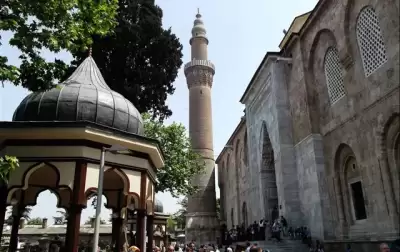
Bursa Grand Mosque
The Grand Mosque of Bursa, the symbol of the city, was commissioned by Sultan Bayezid I betw…

Emir Han
Emir Han, standing at the northeast corner of the Grand Mosque in Bursa's Khans Region, is o…
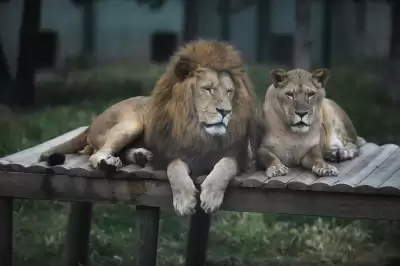
Bursa Zoo
Bursa Zoo, a member of the European Association of Zoos and Aquaria (EAZA), has been operati…
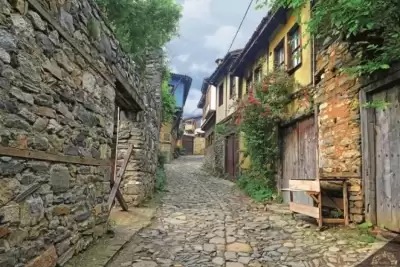
Cumalıkızık Village
Located on the northern slopes of Uludag in the Yildirim district of Bursa, Cumalıkızık is a…

İnegöl City Museum
Located in the historical 19th-century municipal building in İnegöl district of Bursa, İnegö…

Emir Sultan Complex
Rising on the eastern hills of Bursa, at a point overlooking the city, the Emir Sultan Compl…

Tomb of Alaaddin-i Mısri
The Tomb of Alaaddin-i Mısri, located in Eşrefzade Neighborhood of İznik district in Bursa, …

Green Imaret
The Green Imaret, part of the Green Complex in Bursa, was built in the 15th century during t…
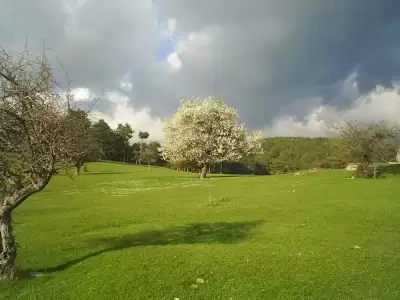
Koca Plateau
Koca Yayla, located in the Keles district of Bursa, is a picnic and recreation area spanning…
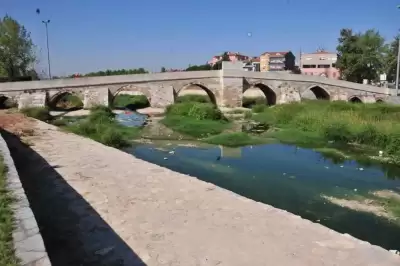
Abdal Bridge
Abdal Bridge, located on the Nilüfer Stream in Bursa, is a historical bridge built in 1669 b…

Bursa Metropolitan Municipality Stadium (Timsah Arena)
Bursaspor's 43,361-capacity stadium, Timsah Arena, opened in 2015, is located in Osmangazi. …
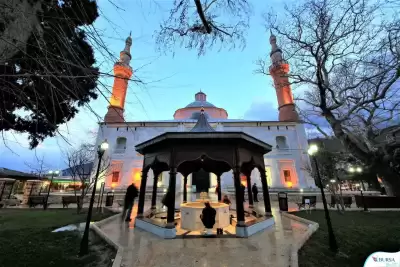
Green Mosque – Bursa
Rising in Bursa's Yeşil (Green) district, the Green Mosque, built in 1419 by Sultan Mehmed I…
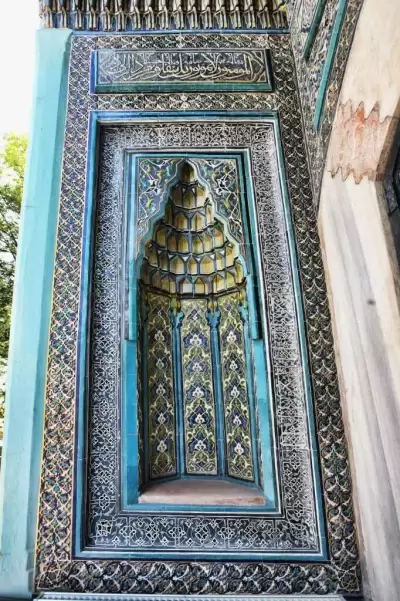
Green Tomb
The Green Tomb, which has become a symbol of Bursa, was built in 1421 by the Ottoman Sultan …
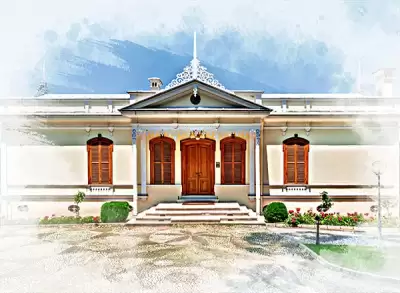
Hünkâr Pavilion Museum
Rising in Temenyeri, on the foothills of Uludağ, Hünkar Köşkü is a hunting lodge built for S…

Bursa Castle
Bursa Castle, built to encircle the historical core of Bursa, was founded by the Bithynians …

Cumhuriyet Street — Bursa's Istiklal
Cumhuriyet Street, Bursa's busiest pedestrian axis, forms the heart of the city with its car…
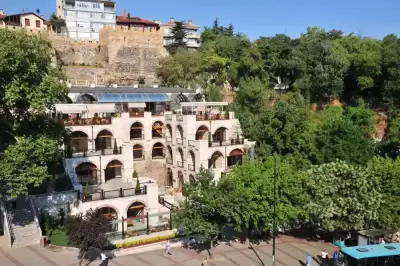
Balibey Han
Balibey Han, rising in Bursa's historic bazaar area, was built during the reign of Fatih Sul…

Old Mirrored Bazaar
Located in the heart of Bursa's historical Khans Region, the Old Mirrored Bazaar is a unique…
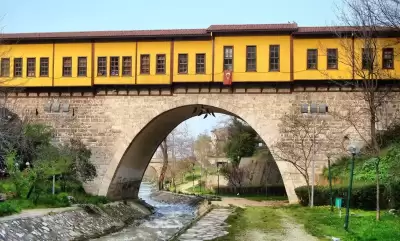
Irgandı Bridge
Standing over Bursa's Gökdere stream, Irgandı Bridge is an approximately 600-year-old Ottoma…
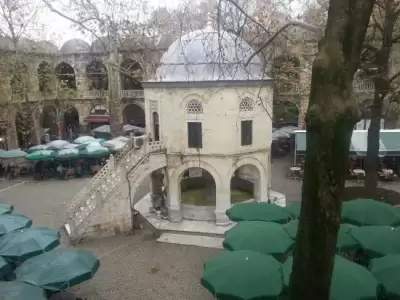
Koza Han
Built by Bayezid II in 1491, Koza Han is the center of Bursa's historical silk trade and one…

Inkaya Historical Plane Tree
A monumental plane tree standing for over 600 years on the Uluda road in Osmangazi, Bursa. 3…
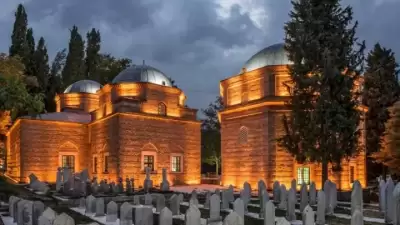
Muradiye Complex
Built by Murad II in 1426, this complex houses 12 tombs belonging to the Ottoman dynasty. Co…
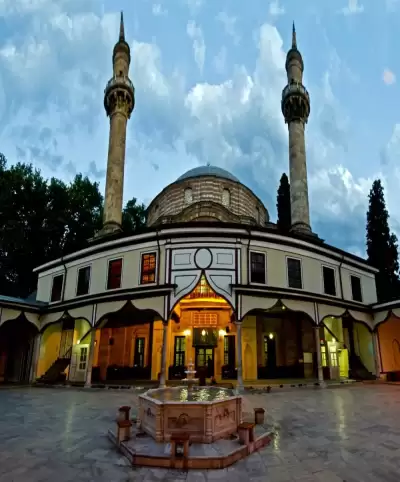
Emir Sultan Mosque
A mosque built on a hill at the foothills of Uludağ in the early 15th century by Hundi Hatun…

Orhan Gazi Tomb
Located in Bursa's Tophane district, the Orhan Gazi Tomb is the final resting place of Orhan…