Located in the Yıldırım district of Bursa, on the foothills of Uludağ, Hünkar Köşkü is an Ottoman hunting lodge built for Sultan Abdülmecid in 19 days in 1844 and has been operating as a museum since 2003.
Located in the Temenyeri area, nestled on the green foothills of Uludağ in Bursa's Yıldırım district, the Hünkar Köşkü (Sultan's Pavilion) continues to be one of the most unique structures of the Ottoman period. Built in 1844 by Mehmet Salih, the Governor of Bursa at the time, as a hunting lodge for Sultan Abdülmecid's visit to the city, the structure is also remarkable for its completion in just 19 days. In later years, Sultan Abdülaziz (1862) and Mehmed V Reşad (1909) also stayed in this pavilion.
The pavilion also has deep ties to the history of the Republic, hosting Gazi Mustafa Kemal Atatürk and the commanders of the War of Independence, including İsmet İnönü, for 12 days starting on October 16, 1922. The building, which was converted into a museum in 2003, exhibits silicone sculptures of the sultans and Atatürk who stayed in the pavilion, as well as dining sets and personal clothing. The annex building in the garden has been serving as a social facility since 2009.
Guide's Note
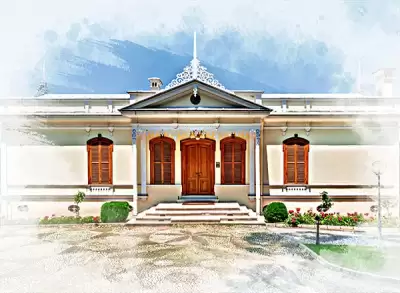
Hünkar Köşkü is a structure located on a hill overlooking Bursa, which has hosted many historical guests since the 19th century. Visitors have the opportunity to see the wooden craftsmanship, ceiling decorations, and period items up close. The pavilion is toured in groups accompanied by a security guard every half hour; therefore, it would be practical to plan your visit accordingly. The fact that admission is free is also a notable point.
The cafe and restaurant inside the pavilion offer an additional option for those who want to spend time enjoying the Bursa view. Several visitors have stated that the prices at this social facility, owned by the municipality, are reasonable compared to the market, and the staff is generally attentive. We also recommend keeping in mind that photography is prohibited inside the building.
- Guide's demeanor: At least one visitor reported that the accompanying officer displayed a rude and impolite attitude; experiences in this regard may vary from person to person.
- Photography restriction: Since taking photos inside is prohibited, those who want to preserve memories can only take photos in the outdoor areas.
- Visit planning: Considering that indoor pavilion tours are organized at specific intervals, learning the opening hours in advance can shorten your waiting time.
Best Time to Visit
The most enjoyable period to visit Hünkar Köşkü is during the spring and early autumn months, when the foothills of Uludağ smell wonderful. In April-May, the trees in the garden blossom, while in September-October, the changing colors of the leaves give the pavilion a picturesque appearance. Summer months can also be preferred; however, choosing early morning or late afternoon hours offers a more comfortable experience due to Bursa's humid climate during midday. Those planning to go up Uludağ in winter can easily visit this pavilion along their route.
How to Get There?
The pavilion is located in the Temenyeri area, part of Bursa's Yıldırım district. It is possible to reach it directly from the city center by municipal buses numbered 9D, 37, G4, 3C, B42A, 35G, B38, and P9A. For those preferring private cars, parking is available around Temenyeri Park. Taxi services based on meters or apps can also drop you off at the door. If you are coming to Bursa from another city, the most practical way is to first reach the city center and then use one of the bus lines mentioned above.
History and Architectural Features of the Pavilion
Hünkar Köşkü was built in 1844 by order of Mehmet Salih, the Governor of Bursa at the time, in just 19 days to be ready for Sultan Abdülmecid's visit to Bursa. This speed is truly remarkable considering the conditions of the period. The structure carries the typical features of the Ottoman hunting lodge tradition; with its simple exterior, wooden interiors, and large garden, it stands in harmony with the surrounding nature.
Over the years, the pavilion hosted three different Ottoman sultans: Sultan Abdülmecid (1844), Sultan Abdülaziz (1862), and Mehmed V Reşad (1909). Each sultan's stay added a distinct historical layer to the structure. In the Republican era, Atatürk stayed in this pavilion for 12 days with İsmet İnönü and other commanders on October 16, 1922. The museum was opened to visitors by Bursa Metropolitan Municipality in 2003; the annex building in the garden has also been utilized as a social facility since 2009.
Photography Spots
Hünkar Köşkü offers many spots that will satisfy photography enthusiasts with both its architectural and natural beauty. The main entrance of the pavilion, with its historic gate and surrounding trees, provides an impressive frame. Wide-angle photographs using the foothills of Uludağ as a background while walking in the garden also yield very successful results. Inside, silicone sculptures and period items offer interesting details for documentary-style photography. The reflection of light on the wooden facade of the pavilion in the early morning creates a captivating view, especially in spring.
What to Eat Nearby?
The Hünkar Köşkü Social Facility in the pavilion's garden is a pleasant stop offering tea, coffee, and light refreshments in a historical atmosphere. There are also small cafes and restaurants around Temenyeri. For those who want to delve into Bursa's culinary tastes, İskender kebab, Bursa pide, and candied chestnuts are must-try delicacies when returning to the city center. Neighborhood restaurants in the Yıldırım district are also a good option for discovering authentic Bursa cuisine away from tourist prices.
Suggested Itinerary
You can spend a full day by combining Hünkar Köşkü with other historical sites in Bursa. Starting the day from the Bursa Castle and Tophane area and moving to Temenyeri in the afternoon forms a logical route. After visiting the pavilion, a short walk can be taken in Temenyeri Park by proceeding a little further in the direction of Uludağ. Completing the route with other Ottoman heritage sites in the Yıldırım district, such as Yeşil Türbe and Yeşil Cami, will allow you to grasp the city's historical fabric comprehensively. For those planning to go up Uludağ, the pavilion serves as a pleasant stop at the beginning of the mountain journey.
Things to Consider Before Visiting
Before going to the pavilion, we recommend confirming the opening hours and possible closing days from an official source; especially during public holidays, visiting hours may change. Since some parts of the structure have historic wooden floors, walking with high heels might be difficult for both you and the artifacts. Remember to follow the rules inside the museum when taking photos; flash photography may be restricted in some exhibition areas. Since garden paths may have uneven surfaces, choosing comfortable walking shoes will make your trip easier. If you plan to sit at the social facility, making a reservation in advance on busy weekends might be a good idea.
This content originates from neresigezilir.com.tr and may not be copied without permission.
Hünkâr Pavilion Museum Videos
Hünkâr Pavilion Museum videos load when you open this section to keep the page fast.
Show videos
FAQ

Updated: