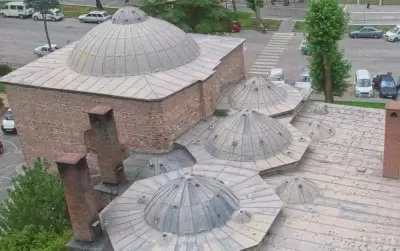
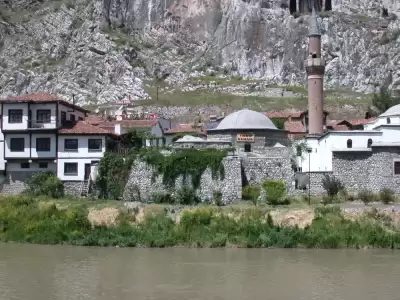
Gülbaba Tomb is a historical tomb located in Saygılı village of Amasya's Suluova district, built in the name of Gülbaba, a 15th-16th century Bektashi dervish, and is open to visitors free of charge.
Amasya is a city where Ottoman princes were raised, with rock tombs reaching up to the sky, and almost every layer of history along the Yeşilırmak River. Within this rich tapestry, Gülbaba Tomb stands out as a quiet but meaningful stop at the intersection of faith and cultural tourism. Located in Saygılı village, part of the Suluova district, the tomb was built in the name of Gülbaba, considered one of the Khorasan saints and associated with the Bektashi tradition.
Gülbaba was a Bektashi dervish who lived in the late 15th and early 16th centuries, also known for his poetic identity. The area where the tomb is located not only offers visitors a historical structure but also evokes a deep sense of Anatolia's rooted religious and cultural memory. This place, of high spiritual importance for the local people, is a must-see for those who want to get a more comprehensive understanding of Amasya, even if it is a bit off the main tourist route.
Guide's Note
Who is Gülbaba?
Gülbaba was a Bektashi dervish who lived in the late 15th and early 16th centuries, considered one of the Khorasan saints. This figure, also known for his poetic identity, left deep traces in Anatolia's spiritual geography. Gülbaba, who holds an important place in the Bektashi tradition, is commemorated with various tombs and pilgrimage sites in different regions of Turkey. The tomb in Amasya stands out as one of the silent but strong representatives of this tradition in Central Anatolia.
Gülbaba's most famous tomb is located in Budapest and holds an important place in Hungarian cultural memory; however, this structure in Amasya forms a separate link in Anatolia's faith geography. Visitors here encounter both a historical structure and a spiritual atmosphere that has continued for centuries.
When to Visit?
The ideal time to visit Amasya and its surroundings is spring and autumn. In April-May, the surroundings turn green, the weather becomes mild, and a highly suitable environment for long walks is created. September-October offers a calm period when crowds decrease and the weather is still pleasant.
Amasya can be quite hot in the summer months; especially in July-August, staying outdoors for long periods during midday can be tiring. Visiting the tomb in the early morning or late afternoon will both protect you from the heat and offer a calmer experience. Keep in mind that visitor density may increase on religiously significant days and during Friday prayer times.
How to Get There?
Gülbaba Tomb is located in Saygılı village, on the highway from Amasya city center towards Suluova district. Its distance from the center is approximately 15-20 km. Coming by private car is the most practical and comfortable option; you can follow the Amasya-Suluova road and turn at the Saygılı village sign.
If you prefer public transport, there are regular minibus services from Amasya bus station to Suluova. To reach the village from Suluova, you can use local taxi services or inquire about shuttle services going to the village. Getting directions from local people in the village is always the most reliable method.
How to Include in Your Amasya Itinerary?
Gülbaba Tomb is often overlooked as it is slightly outside Amasya's main tourist route. However, for those who want to explore the city more comprehensively, combining this tomb with a trip to Suluova creates a logical itinerary. There are also historical and cultural elements worth seeing in the Suluova district.
After completing the main points in Amasya city center such as the King Rock Tombs, Yalıboyu Houses, and Princes' Museum, you can dedicate your second day to surrounding districts and tomb visits. This way, you will have the opportunity to discover Amasya's spiritual heritage spread not only in the city center but also in the surrounding villages.
Things to Know Before Visiting
Since the tomb is a religious site, appropriate clothing is expected during the visit. It is important for female visitors to cover their heads and choose clothes that cover their shoulders and knees out of respect. Maintaining silence and peace inside the tomb is a sign of respect for both local visitors and the spirit of the place.
It is recommended to drive carefully on village roads; especially in rainy weather, narrow village roads can become difficult. Since there are no accommodation or food and drink facilities around the tomb, it would be wise to bring water and light snacks with you. It is advisable to get information in advance, as visiting hours may vary.
Tips for Photography
Gülbaba Tomb offers unique photo opportunities with its simple architectural structure and the rural texture of its surroundings. Early morning hours are when the soft light best reflects the stone texture of the tomb. The tomb's gate and surroundings reflect the characteristic features of traditional Anatolian tomb architecture.
The surrounding Suluova plain and village texture also form a valuable background for photography. It is possible to capture both the tomb and its natural surroundings in the same frame with a wide-angle lens. When taking photos indoors, avoid using flash and respect the privacy of other visitors.
What to Eat Nearby?
There are no restaurants or cafes immediately around Gülbaba Tomb. To meet your food and drink needs, you will need to go to Suluova district center or Amasya city center. In Suluova, there are local artisan restaurants and small cafes offering simple and satisfying options in the style of home cooking.
If you want to fully explore Amasya cuisine, we recommend trying desserts made with Amasya apple, tutmaç soup, and local meat dishes at restaurants in the city center. If you plan your tomb visit in the morning, starting your day with breakfast in Suluova could be a good option.
This content originates from neresigezilir.com.tr and may not be copied without permission.
Gülbaba Tomb Videos
Gülbaba Tomb videos load when you open this section to keep the page fast.
Show videos
FAQ

Updated: