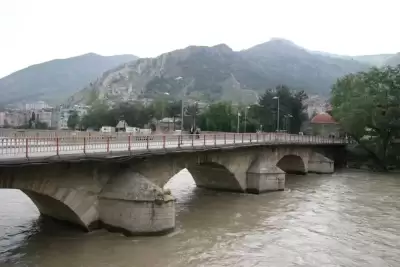
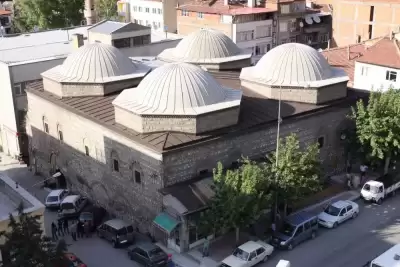
Amasya Bedesten is an Ottoman-era covered bazaar built in 1483 by Hüseyin Ağa, a guard of Bayezid II, and forms one of the most unique parts of Amasya's historical bazaar fabric.
Amasya, nestled in the Yeşilırmak valley, is one of Anatolia's most ancient cities with a seven-thousand-year history. Located right in the heart of this ancient city's historical bazaar fabric, the Amasya Bedesten was built in 1483 by Hüseyin Ağa, one of Bayezid II's guards. Reflecting the typical covered bazaar concept of the Ottoman period, the structure has undergone many changes since its establishment, but it maintains its place among the iconic buildings that carry the city's commercial memory.
The Bedesten is situated in the same area as Taşhan, on the side of Taşhan facing the castle. During the Ottoman period, such covered bazaars, where valuable fabrics, jewelry, and precious trade goods were bought and sold, were not only economic centers but also places that kept the pulse of the city's social and cultural life. Amasya Bedesten stands out as one of the most concrete representations of this tradition in the Central Black Sea region.
Guide's Note
Amasya Bedesten stands out as a place with historical architecture that attracts the attention of the vast majority of visitors. The structure itself is generally well-liked; it is especially considered a recommended stop for those coming to Amasya for its historical texture.
On the other hand, some visitors believe that the potential of the place is not fully utilized. Compared to covered bazaars in Gaziantep or Istanbul, it is found to be less lively and tourist-oriented. Feedback from visitors who ate at the Bedesten, however, contains serious reservations about the quality of food and service.
Points to consider:- Some foods on the Ramadan menu (mantı, soup) were disappointing in terms of quality; there is a complaint about a foreign object found in the soup.
- Deficiencies in service approach were noticed: it was stated that shared foods were not served per person, and drinks were brought in inappropriate containers.
- Inadequacies in basic hygiene and presentation details, such as tablecloths, were noted.
- The general atmosphere and operational vibrancy of the place fall short of the potential offered by the historical structure.
When to Visit?
The most ideal times to visit Amasya and the Bedesten are spring and autumn. In April-May, the Yeşilırmak valley takes on a lush green appearance, and the air temperature is very suitable for walking. In September and October, tourist density decreases, and you can explore the city at a calmer pace.
During the summer months, Amasya experiences a lively tourism season. During this period, it will be much more enjoyable to visit the Bedesten and the surrounding historical structures in the early morning, before the crowds form. In winter, the number of visitors significantly decreases; winter can also be a preferred option for those who want to experience the city quietly.
How to Get to Amasya and the Bedesten?
The most common way to reach Amasya is by bus. There are regular bus services from major cities such as Ankara, Samsun, Tokat, and Sivas. Amasya Bus Terminal is located close to the city center; from there, you can take a taxi or use municipal buses on certain routes to reach the center.
Amasya also has a train station; Amasya Gar, located on the Samsun-Sivas line, is a few kilometers from the city center. If you are coming with your own car, finding parking in the city center, especially during peak season, may require patience.
Walking from the city center is the most practical option to reach the Bedesten. When you find Taşhan, the Bedesten will be right nearby; look for it on the side facing the castle.
Historical Bazaar Route: Bedesten and Surroundings
Instead of visiting Amasya Bedesten alone, you can create a historical bazaar route by combining it with the surrounding historical structures. Choose Taşhan as your starting point; then visit the Bedesten. A few steps away, you can also see the Kilari Selim Ağa Mosque; built in 1484, this mosque is a striking structure built with cut stone and brick, featuring three round columns.
You can extend your route towards the Yalıboyu Houses along the Yeşilırmak river. These wooden bay-windowed houses from the Ottoman period, like the Bedesten, reveal the city's historical layers. If you start your day early, it is also possible to visit the Royal Rock Tombs and Amasya Castle on the same day.
Photo Spots
Amasya Bedesten and its surroundings offer a highly fertile area for historical texture photography. The stone facade and unique architectural details of the structure yield strong shots, especially in the morning light. To avoid harsh shadows in the middle of the day, it is recommended to choose early hours or cloudy days.
You can frame the Bedesten together with Taşhan to capture the combined view of Ottoman-era trade structures. For close-ups, door panels, stone craftsmanship, and arch details offer interesting compositions. The surrounding streets and the Yeşilırmak riverbank are also ideal for photos reflecting Amasya's general atmosphere.
What to Eat in Amasya?
After visiting the Bedesten, you can stop by the restaurants around the city's historical bazaar to discover Amasya's local delicacies. Amasya apple is the city's most well-known geographically indicated product; you must taste it fresh or dried.
In local cuisine, meat with bread (etli ekmek), keşkek, and various pastries stand out. Small artisan restaurants in the city center offer delicious and affordable options with menus full of homemade dishes. For breakfast, you can try the cafes along the Yeşilırmak river; a day starting with a river view is worth it.
Things to Consider Before Visiting
Amasya Bedesten has undergone significant changes from its original state over the years. Before visiting, it is advisable to confirm with local sources whether the structure is currently open to visitors or if restoration work is underway.
The streets in the historical bazaar area are narrow and cobblestone; we recommend wearing comfortable walking shoes. Wheelchair or stroller use is quite difficult in such historical structures and narrow streets. When taking photos, remember to respect the privacy of local shopkeepers and residents.
How Many Days to Stay in Amasya?
It is recommended to allocate at least two full days to see the historical center of Amasya, including the Bedesten, the Royal Rock Tombs, Amasya Castle, and the Yalıboyu Houses. If you want to spend time at places like the Archaeology Museum and the Museum of Princes, three days will provide a more comfortable visit.
If you also want to add natural areas like Borabay Lake Nature Park to your program, you will need to plan a separate half-day for this park, which is approximately 50 minutes away from the city center. Amasya, though small, has a dense historical fabric, so there is no need to rush; exploring at a slow pace will help you feel the spirit of the city better.
This content originates from neresigezilir.com.tr and may not be copied without permission.
Amasya Bedesten Videos
Amasya Bedesten videos load when you open this section to keep the page fast.
Show videos
FAQ
Updated: