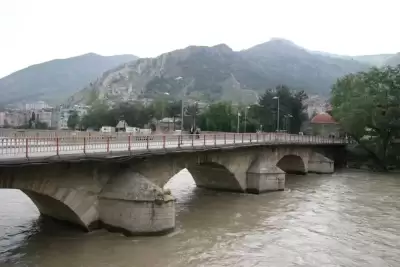
Located on the Yeşilırmak River in Amasya, the Magdinus and Helkis Bridges are historical structures dating back to the Roman period and used during the Ottoman era. These stone bridges have connected the two sides of the city for centuries, are open to pedestrian traffic, and are free to visit.
The vast majority of visitors to Amasya fix their eyes on the King Rock Tombs or the riverside mansions; however, the story told by the stone bridges beneath their feet is at least as profound. Magdinus and Helkis Bridges are two historical structures believed to have been built during the Roman period and still stand today. These bridges, connecting the two banks of the Yeşilırmak River, bear the traces of countless civilizations that have passed over them.
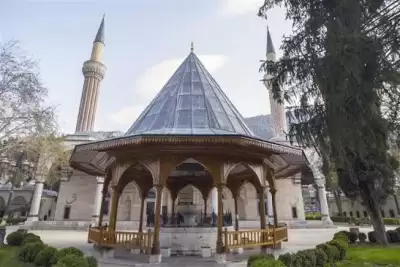
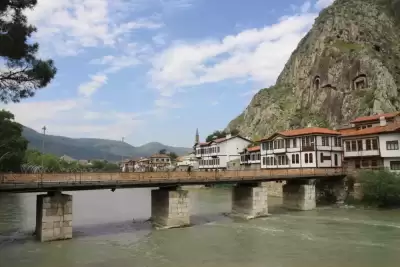
Magdinus Bridge, also known locally as Maydonoz or Madenüs, is located directly in front of the Sultan Bayezid Mosque. Its original form was wooden, but the bridge suffered repeated floods and eventually acquired its current stone structure. Helkis Bridge, also referred to as Kuş Köprü (Bird Bridge), is closely integrated into the city's historical fabric. Since both bridges are open to pedestrian traffic, walking across them offers one of the best ways to experience Amasya's historical silhouette from a different perspective.
Guide's Note

Magdinus and Helkis Bridges are an important stop for those wishing to explore Amasya's historical fabric. Rising over the Yeşilırmak River with roots dating back to the Roman period, this structure has connected the two sides of the city for centuries; it continues its function of linking the castle area to residential areas today. Visitors describe the visual integrity offered by the historical Amasya houses and the river view together while exploring the bridge. It is also among the preferred spots for those who want to take photographs.
There are small shops selling local products in the immediate vicinity of the bridge. For those curious about the historical layers of the structure, it is worth knowing: the original Roman arches were gradually submerged by the rising bed of the Yeşilırmak, the bridge deck was renewed in wood in the 19th century, then destroyed in a flood, and subsequently rebuilt with church stones and reinforced in 1965.
- Restoration quality: Some visitors believe that the structure has moved away from its original texture due to concrete-heavy repairs; therefore, consider that those coming with expectations of a historical structure might be disappointed.
- Limited independent experience: The bridge itself is a point that can be visited in a short time; planning it together with the surrounding historical fabric and other areas of Amasya provides a more fulfilling visit.
History and Importance of the Bridges
Magdinus and Helkis Bridges are structures estimated to have been built during the Roman period and are considered among Amasya's oldest architectural heritage. These bridges, built over the Yeşilırmak River, have connected the northern and southern banks of the city for centuries.
The original form of Magdinus Bridge was constructed from wood. However, the occasional overflowing of the Yeşilırmak and floods caused significant damage to the bridge; the structure had to be repaired numerous times. The stone structure standing today is the product of this long and challenging history. Helkis Bridge, also known as Kuş Köprü (Bird Bridge), has a similar past. Both bridges are mentioned in sources dating back to 1485 and are known to have continued in use during the Ottoman period.
When to Visit?
Magdinus and Helkis Bridges can be visited in any season of the year; however, spring and autumn months offer the most enjoyable period in terms of both weather conditions and the appearance of the Yeşilırmak River. In spring, the river's flow increases, and the area around the bridges turns green, creating a wonderful backdrop for photographs.
During the summer months, visiting in the early morning or evening coolness provides a more comfortable experience. In winter, the mist over the river and the dim light add a completely different atmosphere to the bridges. In the evening, with the illumination of the surrounding historical structures, the bridges gain a truly impressive appearance.
How to Get There?
Since both bridges are located in Amasya city center, access is quite easy. Magdinus Bridge is situated directly in front of the Sultan Bayezid Mosque; it can be easily reached on foot by using the mosque as a reference.
For those arriving in Amasya by train, the station is approximately a 5-minute walk from the city center. Those arriving by bus can reach the city center in a few minutes by minibus or taxi. For those who prefer to explore the city on foot, the bridges can be easily included in an itinerary along with the riverside houses and other historical structures.
Photo Spots
Magdinus and Helkis Bridges are among Amasya's most photographed spots. Looking at the bridges from the Yeşilırmak riverbank, the silhouette of the King Rock Tombs and Amasya Castle can be seen in the background; this frame summarizes the city's historical depth in a single shot.
In photos taken from the bridges, the reflections of the river and the riverside houses create a wonderful composition. The hours before sunset and after sunrise, known as the golden hour, bring out the stone texture of the bridges in the most beautiful way. The play of light on the river surface during the evening illuminations is also a detail that photography enthusiasts should not miss.
Suggested Itinerary: Amasya Tour Starting from the Bridges
Choosing the bridges as a starting point for exploring Amasya is a very logical choice. You can cross Magdinus Bridge to visit the Sultan Bayezid Mosque, then walk along the riverside to see the historical mansions up close.
From here, heading towards the King Rock Tombs and then climbing to Amasya Castle offers a classic but extremely fulfilling route. You can also add Helkis Bridge to your itinerary to cross to the opposite bank of the river and visit Hazeranlar Mansion. This entire route can be completed on foot in half a day to a full day.
Things to Know Before Visiting
Since both bridges are open to pedestrian traffic, it is important to choose comfortable and non-slip shoes during your visit. The stone surfaces of the bridges can be slippery, especially in rainy weather.
As the structures are open-air historical sites, there is no entrance fee or ticket requirement. Vehicle traffic on the bridges may vary depending on the current situation, so it is important to pay attention to the surroundings during your visit. Photography is allowed; however, during peak hours, the bridge can get crowded, so early mornings offer a calmer experience.
What to Eat Nearby?
In the immediate vicinity of the bridges, along the Yeşilırmak riverbank, there is a wide range of restaurant and cafe options. This area is an ideal starting point to try Amasya's local delicacies.
Amasya apple is the region's most well-known product and can be found fresh or in various desserts. Local restaurants offer keşkek, tutmaç soup, and various pastries that should definitely be tried. Sitting in one of the cafes along the Yeşilırmak riverbank and enjoying tea or Turkish coffee while looking at the bridge view is one of the most pleasant moments spent in Amasya.
This content originates from neresigezilir.com.tr and may not be copied without permission.
Magdinus and Helkis Bridges Videos
Magdinus and Helkis Bridges videos load when you open this section to keep the page fast.
Show videos
FAQ
Updated: