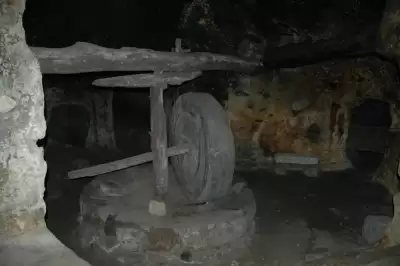
Aşıklı Höyük is the oldest known village settlement in Central Anatolia, located on the banks of the Melendiz River in Aksaray's Gülağaç district, dating back to 9000 BCE. This prehistoric site, documenting the transition of hunter-gatherers to settled life, contains obsidian tools and traces of animal domestication.
Aşıklı Höyük is a prehistoric settlement site rising on the banks of the Melendiz River, approximately 25 km southeast of Aksaray city center, dating back to 9000 BCE. According to radiocarbon dating results, the mound holds the title of the oldest known village in Central Anatolia and is considered an extremely valuable site for world archaeology as it documents the transition of hunter-gatherer communities to settled life. Ongoing excavations reveal that the people living here used obsidian tools, show the first traces of animal domestication, and developed early forms of social rituals.
Upon entering the site, visitors are greeted by experimental houses built in adherence to the construction techniques of the period. In the upper section of the mound, there is an area believed to have been used for social ceremonies and celebrations. Excavation work, which has continued uninterrupted for over 25 years, continues to shed light on history with new findings each season. Artifacts obtained from the excavations are exhibited at the Aksaray Museum, and visiting the museum before the mound allows you to see the area from a much deeper perspective.
Guide's Note
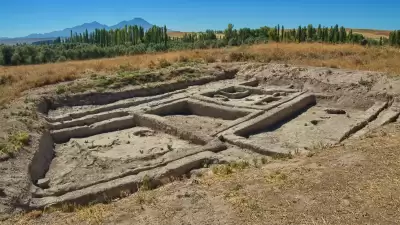
Aşıklı Höyük stands out as one of Central Anatolia's most valuable archaeological sites, with settlement layers dating back to the 9th millennium BCE and the skull find related to the first known brain surgery in medical history. Visitors find this site, which bears the first traces of sheep and goat domestication, houses built in an adjoining mud-brick style, and evidence of the transition to settled life, indispensable for understanding Anatolian history. Those wishing to see the skull find unearthed during excavations can also add the Aksaray Museum to their itinerary.
Entry to the site is free, and parking seems sufficient. Visitors appreciate the reconstructed Neolithic period housing models; respect for the archaeology team's efforts is also frequently mentioned in comments. However, since the experience offered by the site largely depends on visiting conditions and the excavation schedule, it is recommended to research the current situation before going.
A significant portion of visitors point out various shortcomings:
- Most of the excavation area is closed; since most finds are covered with tarpaulins, the visible area is quite limited.
- There is no clear information about visiting hours or whether it is open; a lack of directional signs is felt at the entrance.
- The number of informative signs explaining the area is insufficient; it becomes difficult to understand what is where when there is no guide.
- General maintenance and landscaping are not considered proportionate to the historical importance of the site.
Best Time to Visit
Since Aşıklı Höyük is an open-air site to explore, the choice of season directly affects the visiting experience. April, May, September, and October stand out as periods with both mild weather and active excavation teams on site. During these months, you can comfortably examine every corner of the mound without being affected by excessive heat.
In mid-summer, especially in July and August, staying outdoors for long periods under the harsh Central Anatolian sun can be tiring. If you plan to visit in the summer, prefer the early morning hours and do not forget to bring plenty of water, a hat, and sunscreen. Since the site may be closed in winter, we recommend getting information from the Aksaray Provincial Directorate of Culture and Tourism before your visit.
How to Get There?
The easiest way to reach Aşıklı Höyük is by private vehicle. From Aksaray city center, follow the Gülağaç road for approximately 25 km southeast; then, it is sufficient to follow the Kızılkaya Village sign. The road is generally asphalt, and you can reach the village without any problems.
For those preferring public transport, village minibuses operating on the Kızılkaya route are available from Aksaray bus station; however, since their schedules are limited, it is necessary to find out the departure times in advance. Renting a car from Aksaray or arranging a day trip with local tour operators is also a practical alternative. To reach Aksaray, there are regular bus services from Istanbul, Ankara, and Konya.
What is Aşıklı Höyük and Why is it Important?
Aşıklı Höyük is a prehistoric site dating back to around 9000 BCE, holding the distinction of being the oldest known village settlement in Central Anatolia. Excavations have documented step-by-step the transition of the communities living here from a hunter-gatherer subsistence to settled agriculture and animal husbandry. In this respect, the mound is a critical reference point not only for Turkish archaeology but also for world human history.
Studies conducted at the site have unearthed obsidian stone tools, animal bones, hearth remains, and early architectural traces. The area located in the upper section of the mound, believed to have been used for social ceremonies and celebrations, offers important clues about the social organization of that period. Excavation work, which has been carried out continuously for over 25 years, continues to produce new findings every year.
Photo Spots
Aşıklı Höyük is a site that will satisfy both history and photography enthusiasts. The experimental prehistoric houses at the entrance offer interesting shots with their texture reflecting the construction techniques of the period. From the top of the mound, the Melendiz River valley and the surrounding plain create a wide panorama; this angle is ideal for both landscape and sections showing the layers of the mound.
For capturing the general view of the excavation area, prefer the morning light; Central Anatolia's soft morning sun accentuates earth tones and balances the shadow-light. If you want to document the teams working on site and the unearthed finds during the active excavation season, do not forget to ask for permission.
What to Eat Nearby?
There are no dining facilities right next to Aşıklı Höyük. Eating in the Gülağaç district center or Aksaray city center before your visit is the most practical option. Aksaray cuisine reflects the simple and satisfying flavors of Central Anatolia; tandoor kebab, tirit, and local pastries are among the prominent tastes.
When planning a long archaeological site visit, do not forget to bring snacks and sufficient water. A small market might be found in Kızılkaya Village, but it is safer to be prepared from Aksaray or Gülağaç rather than relying on it.
Suggested Itinerary: Aksaray History Tour
You can combine Aşıklı Höyük with other historical sites in Aksaray for a full day. Starting the day early with a visit to the Aksaray Museum is a good idea; the section of the museum dedicated to Aşıklı Höyük finds creates a mental foundation before seeing the mound in person. Then, proceed to Kızılkaya via Gülağaç to explore the mound.
On the way back, you can stop at sites containing early Christian heritage, such as the Kızıl Kilise (Red Church) near Gülağaç. When you return to Aksaray city center, the Ulu Mosque and Eğri Minare (Leaning Minaret) from the Seljuk period can be added to your visit list. This way, you will experience a wide range of history, from prehistoric to Seljuk, in a single day.
Things to Consider Before Visiting
Since Aşıklı Höyük is an open-air archaeological site, wearing comfortable and closed-toe shoes is essential; walking on uneven ground and around the excavation area with thin-soled shoes can be both tiring and risky. In summer, a hat, sunglasses, and sunscreen should definitely be with you.
It is both a legal and ethical obligation not to enter active areas of the excavation site without permission and not to touch any object that might be a find. Getting information in advance about visiting hours and possible closing days will prevent you from making a long journey in vain. Since toilet facilities within the site may be limited, it is recommended to take care of this need before leaving Gülağaç or Aksaray.
This content originates from neresigezilir.com.tr and may not be copied without permission.
Aşıklı Höyük Videos
Aşıklı Höyük videos load when you open this section to keep the page fast.
Show videos
FAQ
Updated: