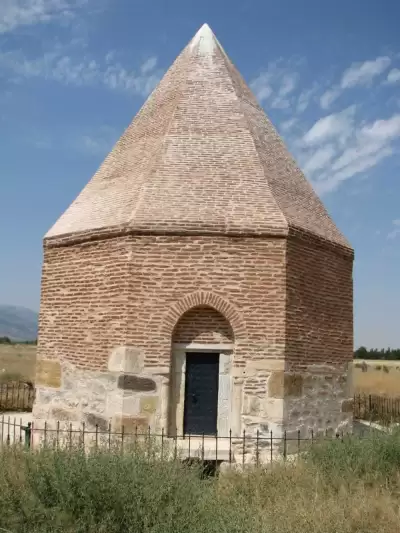
Giresun Martyrs' Cemetery, located in Doğanlar Village, İscehisar district of Afyonkarahisar, is a memorial cemetery where 14 volunteer soldiers from Giresun who fell in the War of Independence are buried, and it is open to visitors free of charge.
Situated approximately 24 kilometers from Afyonkarahisar city center, on the Ankara road, within the borders of Doğanlar Village in the İscehisar district, in the Dedesivrisi area, the Giresun Martyrs' Cemetery stands on the lands where the most intense clashes of the Turkish War of Independence took place. Fourteen volunteer soldiers from Giresun, who sacrificed their lives during the Great Offensive and the Battle of the Commander-in-Chief, rest in this sacred land.
The cemetery is not just a burial ground; it is a monumental place embodying the spirit of volunteers who rushed from all corners of Anatolia and the extraordinary spirit of solidarity of that era. Established to preserve the memory of this unit, which went down in history as the Giresun Volunteer Regiment, the cemetery has been carefully visited by fellow citizens from Giresun and history enthusiasts for decades. This story of loyalty, shaped by the contributions of many, especially Great Offensive veteran Ahmet Halis Asal, has maintained its vitality for over half a century.
Guide's Note

Giresun Martyrs' Cemetery is a historical memorial site from the National Struggle period, which most visitors report leaving with a deep spiritual impact. This cemetery, specially built for the people of Giresun by Atatürk for their success in the War of Independence, preserves the memory of the 42nd and 47th Volunteer Regiments. The fact that the soldiers who fell while clearing Sivritepe from the enemy on the night of August 26th are buried here adds historical weight to the place.
Visitors particularly note a legend told in the area: almost the entire unit fighting to prevent the hill from falling to the enemy was martyred, with only the soldier who went to fetch water surviving. The area, arranged with hazelnut trees brought from Giresun and Black Sea soil, concretizes the city's symbolic connection with these lands. It is frequently emphasized in comments that it is a meaningful stop for those interested in the history of the National Struggle.
Since the existing comments are quite limited, it is difficult to make a comprehensive assessment of visiting conditions, transportation, or site arrangements. The feedback received focuses only on the spiritual and historical dimension, and it is recommended to obtain information on practical matters in advance.
The Stone Memory of a Story of Loyalty
During the War of Independence, volunteers from many corners of Anatolia rushed to the front. Volunteers from Giresun, coming from the steep mountains of the Black Sea, were also part of this great cause. This unit, which went down in history as the Giresun Volunteer Regiment, fought hand-to-hand with the enemy during the Great Offensive and the Battle of the Commander-in-Chief. During the clashes, 14 soldiers were martyred, and today all of them rest in this cemetery at the foothills of Dede Sivrisi Hill, near where they fought.
The story of the cemetery's establishment is as impressive as the war itself. Surviving veterans, especially Great Offensive veteran Ahmet Halis Asal, and fellow citizens from Giresun, made great efforts over the years to keep this memory alive. Shaped by a tradition of loyalty spanning over half a century, the cemetery today remains a simple yet honorable place that deeply affects visitors.
When to Visit?
It is possible to visit the cemetery at any time of the year; however, spring and early autumn months offer the most pleasant experience in terms of both weather conditions and the surrounding rural landscape. If you plan to walk on the village roads, choose early morning hours to avoid the scorching heat of summer.
In terms of significance, dates around August 26th Victory Day and March 18th Martyrs' Commemoration Day are particularly valuable for a visit. During these periods, various commemoration ceremonies may be held in the region; up-to-date program information can be obtained from the local district governorship or municipality.
How to Get There?
The cemetery is approximately 24 kilometers from Afyonkarahisar city center, on the D715 highway route towards Ankara. If you are going by private car, take the road from Afyonkarahisar towards Ankara to reach the İscehisar district center; from there, follow the direction to Doğanlar Village. The cemetery is located in the Dedesivrisi area, within the village borders.
For those preferring public transport, there are regular minibus services from Afyonkarahisar bus terminal to İscehisar. To reach the village from İscehisar, you may need to consider taxi or local car rental options. Before your visit, it is advisable to contact the İscehisar District Governorship for current road conditions and possible guidance opportunities.
Suggested Route: Afyonkarahisar History Tour
You can combine the Giresun Martyrs' Cemetery with other historical sites in Afyonkarahisar to create a meaningful day tour. Start your day with Afyonkarahisar Castle; after enjoying the panoramic view of the city, visit the War of Independence Museum. In the afternoon, head towards İscehisar to visit the Giresun Martyrs' Cemetery.
On the way back, you can also add Çiğiltepe Martyrs' Cemetery or other cemeteries in the region to your itinerary. This way, you can see different fronts of the Great Offensive firsthand and grasp the War of Independence from a more holistic perspective. The route can be completed in approximately half a day to a full day.
Things to Know Before Visiting
Since the cemetery is located within the village borders and in a rural area, road conditions may vary depending on the season. In rainy weather, dirt roads can become difficult, so it is recommended to wear high-soled or sturdy walking shoes. If you are going by car, check your fuel level in the city center; there may not be a gas station around the village.
As the cemetery is a place of remembrance and respect, a quiet and respectful demeanor is expected during the visit. Keep this sensitivity in mind when taking photos. Carrying water and light snacks with you will make the visit more comfortable, especially for families with children.
Photo Spots
The silhouette of Dede Sivrisi Hill around the cemetery creates an impressive backdrop, especially in the morning light. Wide-angle shots framing the general view of the memorial graves are a good choice to reflect the simple dignity of the place. In spring, when the surrounding rural area turns green, it is possible to capture compositions where nature and history intertwine.
In terms of light, the sun coming before noon illuminates the cemetery area more clearly. During sunset hours, the color transitions behind the hill silhouette create opportunities for emotional and powerful shots. It is advisable to obtain permission from the authorities in advance for matters such as drone usage during your visit.
What to Eat Nearby?
There are no food and beverage facilities immediately near the cemetery. The closest options are located in the İscehisar district center. Here, you can experience local breakfasts made with the indispensable delicacies of Afyonkarahisar cuisine such as sucuk (Turkish sausage), pastırma (cured beef), and kaymak (clotted cream) at local restaurants.
For a wider range of dining options, you will need to return to Afyonkarahisar city center. Afyon lokumu (Turkish delight) and haşhaş ezmesi (poppy seed paste), which have become symbols of Afyon cuisine, can also be obtained from patisseries and confectionery shops in the city center. If a long day is planned, it will be practical to bring ready-made snacks with you.
This content originates from neresigezilir.com.tr and may not be copied without permission.
Giresun Martyrs' Cemetery Videos
Giresun Martyrs' Cemetery videos load when you open this section to keep the page fast.
Show videos
FAQ

Updated: