The Luxembourg Gardens is a 60-acre park opened in 1612 in the 6th arrondissement of Paris, housing the French Senate building, and is an example of classic French design with its fountains and statues; admission is free.
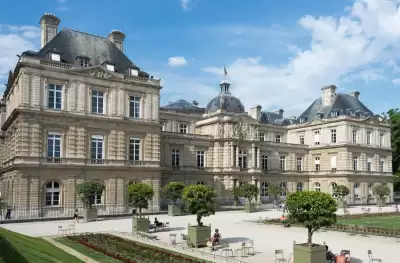
The Luxembourg Gardens is an iconic green space commissioned by Marie de Medici in 1612 and is Paris's second-largest park. The garden is designed with various architectural styles, known for its vast lawns, bright flowerbeds, and elegant fountains. The French Senate building is located within the garden, and the structure is one of the garden's most magnificent features.
The garden offers activity areas such as petanque courts, tennis courts, and children's playgrounds. Paths adorned with hundreds of statues provide a serene atmosphere, offering an escape for both Parisians and visitors. Due to its proximity to the Saint Germain area and the Latin Quarter, it is one of the most frequently visited places by travelers.
Access is completely free, and the garden opens early in the morning and closes late in the evening. While all seasons are suitable for a stroll, spring and summer offer the most colorful environment.
Guide's Note
What is the Luxembourg Gardens?
The Luxembourg Gardens, located in the 6th arrondissement of Paris, is the city's second-largest park, covering approximately 60 acres. Built by Marie de Medici in 1612, the garden houses the French Senate building and has been one of the favorite meeting spots for Parisians and visitors for centuries.
The garden features everything from manicured lawns, bright flowerbeds to elegant fountains, ancient statues, and numerous benches. Beautiful examples of classic French design can be seen; walking paths, ponds, petanque courts, and children's playgrounds welcome everyone from families to solo travelers.
When to Visit?
The Luxembourg Gardens is beautiful in every season, but it reveals its most colorful state in spring and summer. The months of April-May, when the flowers bloom, and the beginning of warm summer are ideal choices. Autumn also offers a great opportunity to see the garden in golden tones.
Weekday mornings provide a calmer atmosphere, while on weekends and in the afternoon, the garden is bustling with Parisians. Admission is free; the garden is open from early morning until sunset (hours vary by season).
How to Get There?
Reaching by metro is the most practical way. The Luxembourg station on RER B line opens directly into the garden. You can also reach the garden by walking a few minutes from the Odéon, Saint-Germain-des-Près, or Saint-Michel stations on Metro lines 4, 6, and 12.
If you are around the Saint-Germain neighborhood, you can easily reach it on foot. Since the garden is located in the heart of Paris, it can be easily integrated into any tourist route.
What to See Inside the Garden?
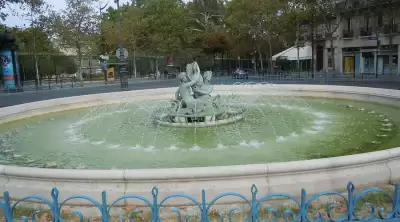
As you stroll through the garden, you will encounter the Luxembourg Palace (now the Senate building); guided tours can be arranged to see its interior architecture. The area around the main pond, especially where children sail their boats, is very photogenic and lively. Fountains, statues, and commemorative stones are elements that tell the historical depth of the garden.
Watching people play petanque, lounging on the lawns, or observing the park's vibrancy are also important parts of the experience. You can combine your garden visit with nearby places like the Pantheon, Latin Quarter, and Saint-Germain-des-Près to create a full-day itinerary.
How Many Days Should Be Spent?
1-2 hours are sufficient to comfortably explore the garden. However, if you want to sit and have tea, people-watch, or read a book, you can easily spend 2-3 hours. There's no need to rush to discover the quiet corners of the garden and take photos.
If your trip also includes the Pantheon, Latin Quarter, and Saint-Germain-des-Près, the time spent here can turn into a half-day activity on its own. The garden is a flexible place that can be positioned within a broader Paris itinerary.
Recommended Itinerary
You can start in the Saint-Germain-des-Près neighborhood and have breakfast at Café de Flore or Les Deux Magots. Then, take a walk towards the Luxembourg Gardens; explore the garden at a leisurely pace, sit around the pond, and soak in the atmosphere.
After leaving the garden, take a short walk to visit the Pantheon, and explore the narrow streets and small bookstores of the Latin Quarter. As evening approaches, return to Saint-Germain and visit a restaurant to experience the area's vibrant nightlife. Everything is within walking distance.
Where to Stay?
If you stay near the Luxembourg Gardens, the Saint-Germain-des-Près neighborhood is the most ideal choice. This area has an abundance of boutique hotels, small family-run establishments, and mid-range accommodations. Within a 5-15 minute walk to the garden, the neighborhood atmosphere is intense and lively.
If your budget is lower, the Latin Quarter (5th arrondissement) is also nearby and offers the energetic atmosphere of a student city. If you stay just beyond the Luxembourg Gardens metro, you can enjoy quick access to all the wonders of the area.
What to Eat, Where to Eat?
There are many cafes in and around the garden. You can have a light lunch at one of the garden's own cafes or at the brasseries on the garden's edge. Options like crêpes, sandwiches, salads, and cakes are common. Sitting outdoors and watching the garden is a special pleasure.
The Saint-Germain-des-Près neighborhood, on the other hand, is considered a gastronomic paradise in Paris. You can have coffee at legendary cafes like Café de Flore, Les Deux Magots, and try classic French dishes like confit de canard or coq au vin at nearby restaurants. All preferences are within close proximity to the garden.
Shopping Opportunities
The Saint-Germain-des-Près neighborhood is famous for its boutique shops, bookstores, and art galleries. Streets like Rue de Buci, Rue Bonaparte, and Rue de l'Odéon are worth exploring. Interesting places like Librairie Galignani (one of Paris's oldest bookstores) can also be found along the edge of the Luxembourg Gardens.
Just near the garden, there are small shops selling old books, artworks, and antique materials. Around the French Senate building, you can also find small souvenirs and products from local designers. Shopping is ideal for a pleasant break during your visit.
Budget Guide
Entrance to the garden is completely free. A coffee in or around the garden ranges from 3-8 euros, a simple lunch from 10-20 euros. Coffee in famous cafes in the Saint-Germain area might be slightly more expensive (5-7 euros). Overall, it is an economical activity.
You will need to allocate an additional budget for extra activities such as visiting the Pantheon, libraries, and museums. For a garden stroll, coffee, and light meal, you can comfortably spend time with a daily budget of 30-50 euros. It is a quite affordable area by Paris standards.
Things to Know
Sitting on the open lawns in the garden is permitted, but certain areas may be restricted to protect the grass. Bicycles and inline skates are prohibited. The garden closes at sunset; closing times vary by season, so it is recommended to check current hours.
Be prepared for weather conditions; Paris can have rainy days. Respect the historical structure of the garden and do not litter the lawns. Since the garden hosts many people, especially families, early morning hours may be preferred for a calmer experience.
Photo Spots
The facade of the Luxembourg Palace (Senate building), photos taken across the vast lawns, are magnificent. The park's main ponds, especially when the flowers are in bloom, provide Instagram-worthy shots. The paths, fountains, and surroundings of ancient statues look beautiful under natural light.
Various corners of the garden offer views from different angles. Photos taken during the golden hour (sunset) are particularly striking. Especially during the blooming season, shots taken from the garden's colorful flowerbeds yield frame-worthy results.
Luxembourg Gardens Videos
Luxembourg Gardens videos load when you open this section to keep the page fast.
Show videos
FAQ
Updated: