Paris Places to Visit
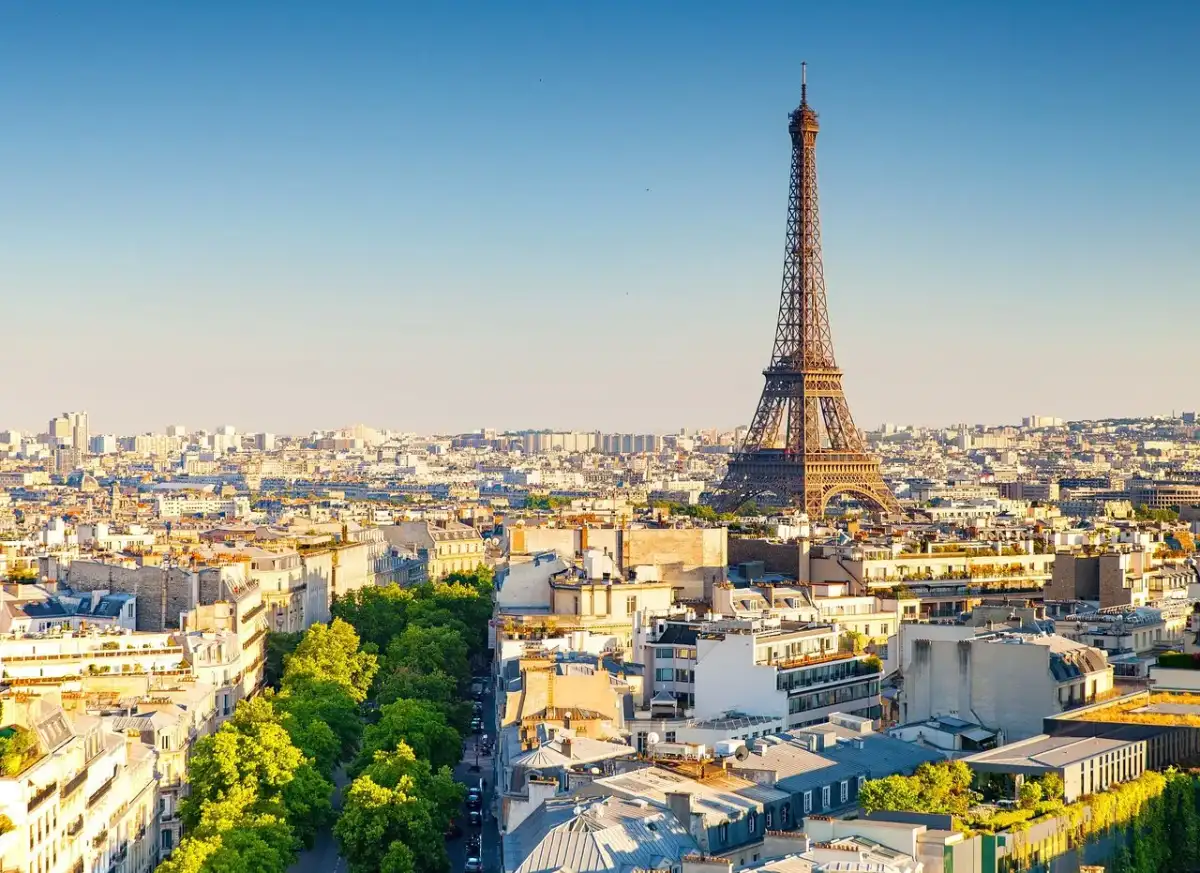
Paris, as one of the world's most visited cities, is not just a place but a way of life. Spreading along both banks of the Seine River, the city carries an elegant aesthetic in every detail, from masterpieces of Gothic a…


When to Visit?
Spring (April-May) and autumn (September-October) are the most ideal times to visit Paris. The weather is temperate, neither too hot nor too cold, and the streets are full of life. In summer, there are crowds of tourists and high prices; winter can be cold and gloomy, but the city's snow-covered streets have their own beauty.
If your budget is a bit more flexible, the atmosphere and lighting during the Christmas season turn Paris into a fairytale. The busiest tourist influx occurs in July-August; if you can avoid this period, you will have a more relaxed experience.
How to Get There?
You can reach Paris Charles de Gaulle or Paris Orly Airport with direct flights from major cities in Turkey (Istanbul, Izmir, Ankara, Antalya). The flight duration from Istanbul is approximately 3.5-4 hours. From the airport to the city center, you can take the RER B train line to Gare du Nord or Chatelet-Les Halles station in 30 minutes, for about 10-12 Euros.
If you are coming from other places in Europe, the train network is quite developed. It is possible to reach Paris from London via Eurostar, and from other European cities via various lines. Within the city, there is an integrated public transport system consisting of metro, bus, and RER trains.
Getting Around the City
The most practical option in Paris is the metro (Metro RATP) and weekly/daily passes. The Paris Visite card, offering unlimited use, is available for 1, 2, 3, or 5-day options. The cost of a single metro ticket is low, but package prices for multiple uses are more economical. The city is very pedestrian-friendly, so you can explore central areas on foot.
The bike rental system (Vélib') is cheap and widespread; if you feel confident, exploring Paris on two wheels is quite enjoyable. Taxis and Uber are also available, but they are not as fast as the metro and you will get stuck in traffic during peak hours.
How Many Days Are Enough?
If you want to quickly see Paris's most iconic spots, 3 days are sufficient. You can get an overview of main attractions like the Eiffel Tower, Louvre, Notre-Dame, Montmartre, Arc de Triomphe, charming cafes, and the banks of the Seine River in 3 days. However, to feel the city's depth, the richness of its art museums, and the soul of its neighborhoods, 5-7 days are ideal.
If you want to see the Palace of Versailles, allocate at least an additional half-day. Staying longer in Paris invites you to slow down, people-watch while sitting in a cafe, and get lost in narrow streets—which is actually Paris's greatest pleasure.
Suggested Itinerary
Day 1: Start from the banks of the Seine River, visit the Eiffel Tower early in the morning (to avoid queues). At midday, enjoy the city view from Trocadéro square. In the afternoon, go to the Louvre Museum and see the Mona Lisa. In the evening, a walk along the Champs-Élysées to see the illuminated Arc de Triomphe is beautiful.
Day 2: Explore the Montmartre district, Sacré-Cœur Basilica, and Moulin Rouge. Spend the evening in the Marais district; visit the Jardin du Luxembourg or the area around Notre-Dame. Day 3: You can make it a museum day or go to Versailles. If you return, you'll find lesser-known neighborhoods (Canal Saint-Martin, Latin Quarter) and the best local cafes/bistros.
Where to Stay?
If your budget is high, stay in the 1st (Champs-Élysées), 5th (Latin Quarter), or 6th arrondissement—they are tourist-ready, clean, safe, and high-quality. For a mid-range budget, Marais, Canal Saint-Martin, or the 11th arrondissement are great options; art, nightlife, local cafes, and restaurants are concentrated here. Budget-friendly options are found in neighborhoods like Belleville, Batignolles; you can reach the center in 15-20 minutes by metro and experience a more local Parisian atmosphere.
If you're looking for a hostel, prices range from 20-40 Euros. Airbnb studios (especially in the 5th or 11th arrondissements) start from 50-80 Euros. Hotels, depending on the area and season, are 80-200+ Euros. Book early, especially during April-May and September-October.
What to Eat?
Parisian classics: eat a croissant early in the morning at a patisserie, try crème brûlée in bistros, and if you're an escargot (snails) enthusiast, definitely taste them. Steak frites (steak and french fries) and coq au vin (chicken in wine) form the basis of traditional French cuisine. For cold appetizers, pâté, fromage (cheese), and charcuterie (various sausages and cured meats) will arrive at your table.
Luxury restaurants (Michelin-starred) are very expensive and require advance reservations. However, in a bistro or café, you can have a bowl of soupe à l'oignon (onion soup) and a glass of wine for 12-18 Euros. The croque-monsieur (ham and cheese toast), similar to a flatbread, is also cheap and filling. Try to find local restaurants away from tourist streets—prices and quality change dramatically.
Photo Spots
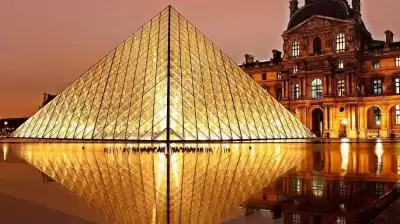
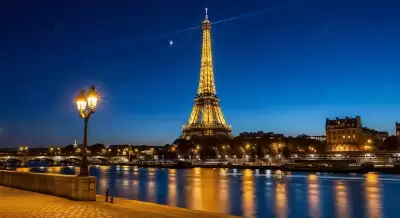
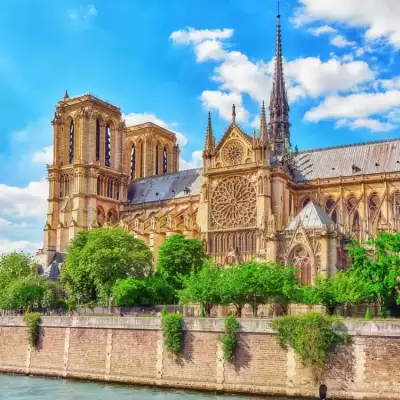
The Eiffel Tower looks magical if photographed from Trocadéro square in the first light of morning. Pont des Arts (love lock bridge) offers the most popular angle along the Seine, the city view and basilica from the top of Montmartre, the glass pyramid of the Louvre, the illuminated Arc de Triomphe at night, the Renaissance architecture of Notre-Dame (from its exterior while under repair), and the narrow, colorful streets of the Marais district offer great frames.
Lesser-known but beloved by photographers: the bridges on Canal Saint-Martin, the narrow street intersections of Montmartre (especially Place du Tertre), the bookstalls of the Latin Quarter, the chairs of the Luxembourg Gardens, and the green stalls of the booksellers (bouquinistes) along the Seine. If you take photos from any Seine bridge at sunset, Paris sparkles like a dream in the golden hour light.
Shopping
Champs-Élysées is the center of fashion and luxury—all international brands are represented here. The Marais district, on the other hand, is a hub for vintage boutiques, designer brands, and artisanal crafts; real Parisians shop here. The Saint-Ouen market (Puces de Saint-Ouen) is the world's largest antique market; be an early bird on Sunday, and you'll find tools, furniture, and collector's items very cheaply.
Cosmetic products (especially French brands) are cheaper to buy at Sephora or Monoprix chain stores. For souvenirs and artwork, besides the Louvre museum, the secondhand book markets in the Latin Quarter and the small antique shops in Montmartre offer unique gifts. You need to keep the VAT refund paper for products that can be returned according to customs regulations.
Budget Guide
Economical travel: 60-80 Euros per day (hostel 25, meal 20, metro/sightseeing 15, snack 10). Mid-range: 120-180 Euros (three-star hotel 70, quality meal 35, activities 30). Comfort: 250+ Euros (four-star hotel 150, good restaurant 50+, guided tours, museum). The Paris Museum Pass is available for 2, 4, or 6-day options; it's economical if you plan to visit major sites like the Louvre and Versailles. The unit price for a metro ticket (1.90 Euros) is fixed; buying a card is always cheaper.
Important note: Paris is an expensive city, but budget travelers can significantly reduce costs by buying breakfast from the market, sitting in parks, and walking. Museums reduce or waive entrance fees on certain evenings and specific days—check these in advance.
Things to Be Aware Of
Pickpocketing and wallet theft are common in Paris, especially with tourism. Be careful in the metro, crowded places, and tourist areas; do not openly display valuable items. Restaurants on tourist streets (around the Eiffel Tower, in front of the Louvre) are expensive and of mediocre quality; moving 200 meters away makes a huge difference in price-quality. Avoid wandering in built-up areas late at night without a guide.
Manners and politeness are important; the French will treat you according to how you greet them—saying hello (Bonjour), please (S'il vous plaît), and thank you (Merci) opens doors. Even attempting to speak French as a tourist is appreciated. Tap water is drinkable, but it's normal for restaurants to charge for water if it's not complimentary. Prices are in Euros; written and unconfirmed information is flexible (may change), verify current fees from official websites.
General Information
Paris is a city founded on the banks of the Seine River, starting with a medieval castle, and bearing layers of Renaissance, Baroque, and Modern architecture. Its population is 2.1 million, with a larger metropolitan area of 12+ million. As the capital, it is France's political, cultural, and artistic center; it houses world-renowned museums like the Louvre, Musée d'Orsay, and Centre Pompidou. It is a symbol of the Enlightenment and modern philosophy; the city where thinkers like Sartre, Camus, and Beauvoir sat in cafes.
The city has 20 arrondissements, each with its unique character: the 1st arrondissement is central and luxurious, the 5th is academic and historical, the 9th is entertainment and culture, and the 18th is art and bohemian. The Seine River, its two islands (Île de la Cité and Île Saint-Louis), and tree-lined boulevards are symbols of romance. It is a UNESCO World Heritage site. Its climate is temperate; winters are mild, summers are summery, autumn is colorful; if you are going to Paris for the first time and there is availability, book it immediately.
This content originates from neresigezilir.com.tr and may not be copied without permission.
Places to Visit

Saint-Étienne-du-Mont Church
A blend of Gothic and Renaissance architecture located right behind the Panthéon, in the hea…
Louvre Museum
The world's largest and most visited art museum. Housing over 80,000 works of art, the Louvr…
Eiffel Tower
The Eiffel Tower, symbol of Paris, is an iron structure built in 1889 to celebrate the 100th…
Notre-Dame Cathedral
Located on Île de la Cité in the middle of the Seine River, Notre-Dame has been a symbol of …
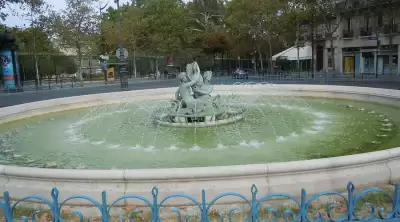
Luxembourg Gardens
Located in the 6th arrondissement of Paris, the 60-acre Luxembourg Gardens, opened in 1612, …
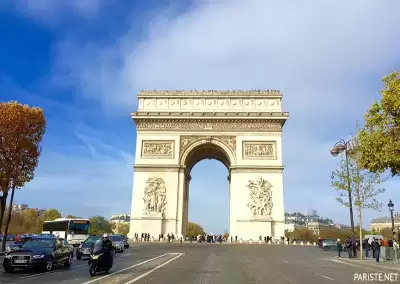
Arc de Triomphe
A monumental arch, construction of which began in 1806 by order of Napoleon, completed in 18…
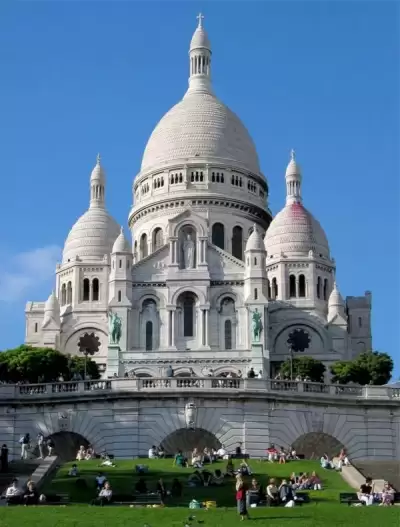
Sacré-Cœur Basilica
Atop Montmartre hill, with its white stone dome, it's one of Paris's most recognizable silho…
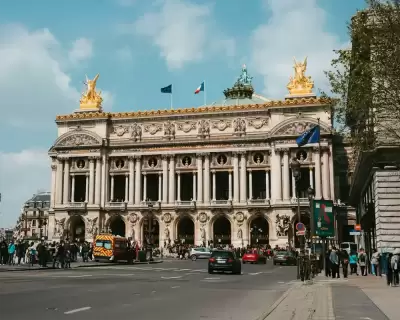
Palais Garnier
Opened in 1875, the Palais Garnier is one of the finest examples of French Baroque architect…
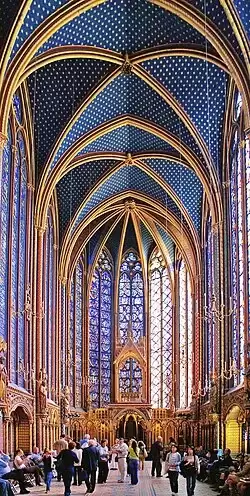
Sainte-Chapelle
Located on Île de la Cité in Paris, this 13th-century Gothic chapel is world-famous for its …

Musée d'Orsay
Located on the left bank of the Seine River, the Musée d'Orsay houses the most important col…

Tuileries Garden (Jardin des Tuileries)
A massive 25-hectare garden in the heart of Paris. Located right next to the Louvre Museum, …

Panthéon
Rising in Paris's Latin Quarter, the Panthéon was initially built as a church; after the Fre…
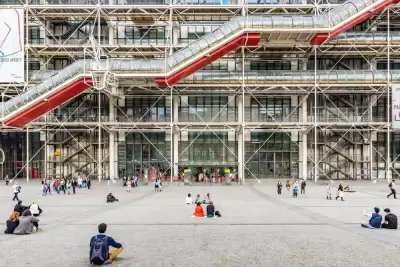
Centre Pompidou
Located in Paris's La Marais district, the Centre Pompidou is a cultural center known for it…
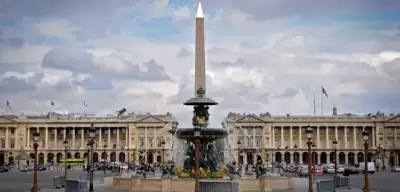
Place de la Concorde
Located in the 8th Arrondissement of Paris, Place de la Concorde is at the beginning of the …
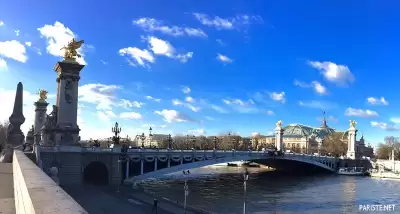
Pont Alexandre III
A masterpiece of Art Nouveau architecture completed in 1900 over the Seine River. Named in m…
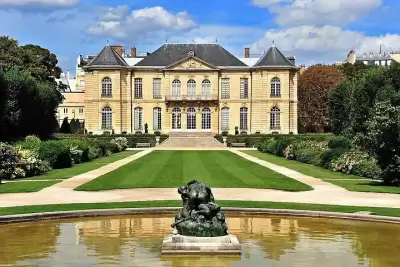
Rodin Museum
The Rodin Museum, showcasing Auguste Rodin's masterpieces, presents the finest examples of s…

Pre Lachaise Cemetery
A massive 44-hectare cemetery located in the 20th arrondissement of Paris. It has been the c…
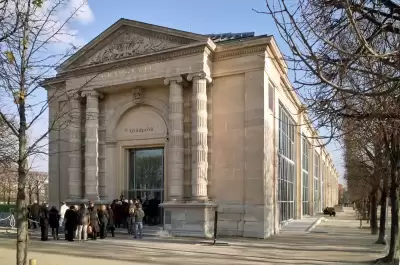
Orangerie Museum
Located at the western corner of the Tuileries Garden, the Orangerie Museum is an art museum…
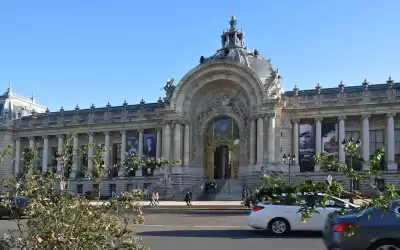
Petit Palais
A masterpiece of Belle Époque architecture built for the 1900 World's Fair, the Petit Palais…

Disneyland Paris
Located near Paris, Disneyland Paris is a Disney entertainment complex that captivates visit…
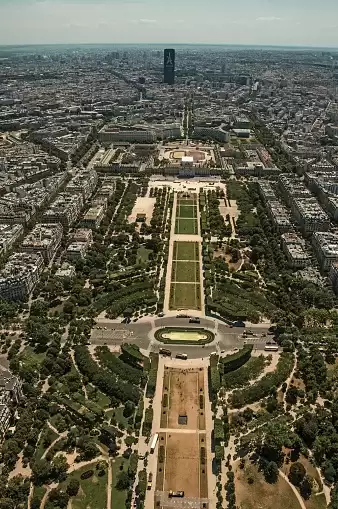
Champ de Mars
One of Paris's most famous green spaces, stretching at the foot of the Eiffel Tower. Ideal f…
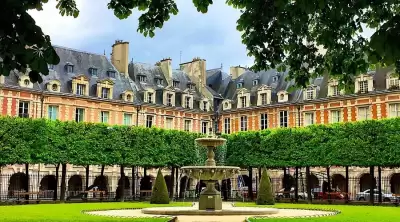
Place des Vosges
Paris's oldest planned square, an iconic plaza in the heart of the Marais district, surround…
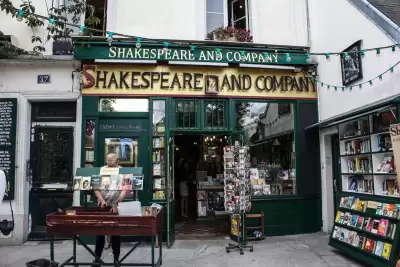
Shakespeare and Company
An independent bookstore located in Paris's Latin Quarter, right next to Notre-Dame. It has …
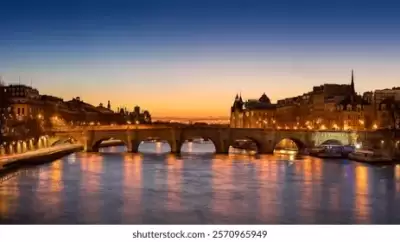
Pont Neuf
Pont Neuf, Paris's oldest stone bridge, crosses the Seine River, connecting the Île de la Ci…