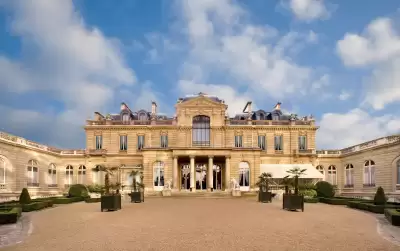
The Petit Palais is a Belle Époque palace located near the Champs-Élysées in Paris, built for the 1900 World's Fair; it permanently offers free art collections ranging from antiquity to the late 19th century.
The Petit Palais is a palace located near the Champs-Élysées in Paris, which hosted the World's Fair in 1900. Although its name means "small palace," its building has a quite impressive structure. Especially the 20 colorful columns in the entrance courtyard and the stained-glass design of the Maurice Denis dome reflect the elegance of the Belle Époque period. The content of the building is as captivating as its architecture.
As for its collection, it houses extensive artworks ranging from the 13th century to the late 19th century. Italian Renaissance painters, works from the Avignon school, as well as Impressionist works (including Monet) and paintings by 19th-century French artists form the museum's permanent exhibition. Temporary exhibitions are also regularly updated, adding a different dimension to each visit.
You can explore the museum for free, and it offers a peaceful art experience that you can discover at a relaxed pace. It is among Paris's most charming gems for art lovers who want to escape crowded places like the Louvre.
Guide's Note
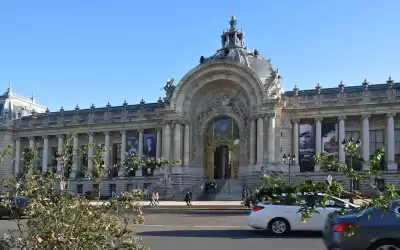
The Petit Palais stands out as a museum from which the vast majority of visitors leave satisfied. The richness of the permanent collection is a frequently mentioned point; it is stated that this collection, consisting of paintings, sculptures, and ancient objects, can keep visitors engaged for hours. In addition, it is emphasized that temporary exhibitions also deserve attention.
The venue itself also impresses visitors: the atmosphere created by the inner courtyard and exhibition halls together, cleanliness, and the air conditioning system are among the positively received elements. It is reported that the weekday crowds are relatively small, allowing for a comfortable visit. The polite demeanor of the staff has also been shared as a particularly noteworthy detail. Entry to the permanent collection is free; this is also appreciated in many comments.
The cafe inside is also noted to be pleasant. There are no recurring significant complaints or negative points to be aware of among the existing comments; however, this assessment reflects only the limited number of comments we have.
Petit Palais: Paris's Hidden Art Gem
Although the name Petit Palais means "Small Palace," it plays no small role in Paris's art world. This structure, which hosted the 1900 World's Fair, is one of the most impressive architectural examples of the Belle Époque period. Welcoming visitors with its dazzling stained-glass rotunda, colorful columns, and elegant garden colonnades, the building is a work of art in itself.
The museum houses diverse collections ranging from antiquity to the late 19th century. Monet's paintings, works by Italian and Provençal painters, as well as Romanesque and Gothic sculptures, form the permanent exhibition. Most importantly, seeing all these treasures is completely free—even if you just stop by, you can have a wonderful art experience.
Best Times to Visit
Visiting the Petit Palais early in the morning is the most sensible choice. Tourist crowds are smaller, and you can often focus on art in a quiet environment in the reception halls. The beginning of the week (Monday, Tuesday) is generally calmer than the weekend.
If you have a long itinerary in Paris, visiting the Petit Palais for an afternoon break is also a good idea. It is recommended to confirm current opening hours and temporary exhibition dates on the official website. Especially if you arrive before 10:00 AM in the summer, you can fully enjoy the quiet and meditative atmosphere offered by the museum.
Getting to the Petit Palais
The Petit Palais is located on Avenue Winston Churchill, near the Champs-Élysées Theatre. By metro, you can easily walk from the Champs-Élysées-Clemenceau station (lines 1 and 9). If you want to come by bus, you can confirm nearby stops. Access by taxi is also quite easy.
The area is very conveniently located for sightseeing—it is close to the Eiffel Tower, the Louvre Museum, and the Champs-Élysées. If you want to explore the surroundings on foot, you can combine your visit to the Petit Palais with a visit to the Grand Palais; the two stand side by side.
What's Around
The area where the Petit Palais is located is one of Paris's most noteworthy spots. Directly opposite stands the Grand Palais. While the Champs-Élysées is a five-minute walk away, you can walk towards the Eiffel Tower from the Pont de l'Alma bridge.
After leaving the museum, sitting in the cafes in the area and watching the city is a nice option. The Louvre Museum is also within walking distance. The historic view of the Alexandre III Bridge is just a few minutes' walk from the immediate vicinity of the Petit Palais.
How Many Days Are Enough?
The Petit Palais is a place where you can spend hours, but if you have limited time, 1-1.5 hours might be enough. If a full museum experience is desired, it would be more appropriate to allocate 2-3 hours. Even 45 minutes is sufficient for a quick tour to see the main collections.
Within your general Paris itinerary, you can plan the Petit Palais as an early morning or afternoon break of an hour and a half. Since it is free, you might consider a much longer visit and return on a few different days to discover additional details.
Things to Know
Although the Petit Palais is free, some temporary exhibitions may require an entrance fee. The permanent collection is always completely free. Photography is generally permitted, but it may be restricted for certain exhibitions—check at the entrance. The museum is closed on Tuesdays, so plan your visit accordingly.
Although the building has multiple levels, elevators are available. You can purchase collectible tablets or special guided tours, but audio guide applications are usually available for free. There is a cafe in the museum where you can enjoy tea or relax in a comfortable environment. It is recommended to confirm current information from the official source.
Best Places for Photography
The museum's entrance courtyard is a great spot for taking special photos with its colorful columns and striking architecture. The stained-glass rotunda offers Instagram-worthy views with its play of light. The area under the Maurice Denis Dome is also very popular for photographers.
Inside the galleries, it is of course possible to stand in front of impressive works, including Monet's, and take photos, but do so without flash or by adhering to any prohibitions. The exterior facade of the museum also reflects very beautiful examples of classic Parisian architecture, especially in the morning light. You can take shots from different angles of the museum from the surrounding streets.
Food and Drink Options
There is a cafe inside the Petit Palais where you can enjoy tea, coffee, and light snacks. It's a pleasant experience to sit and relax in the museum while watching the city. Prices are as reasonable as other museum cafes in Paris, neither too cheap nor excessively expensive.
The surrounding area is very rich in cafes and restaurants. From options on the Champs-Élysées to street cafes, you can experience the classic Parisian restaurant atmosphere. If you want a simple and quick breakfast, you can visit a nearby panineria before heading to the museum early in the morning.
Suggested Itinerary
Go to the Petit Palais early in the morning and visit the permanent collections (1-1.5 hours). After leaving, briefly visit the Grand Palais. Then walk towards the Champs-Élysées to feel the atmosphere of the area. Around noon, have lunch at a restaurant near the Alexandre III Bridge.
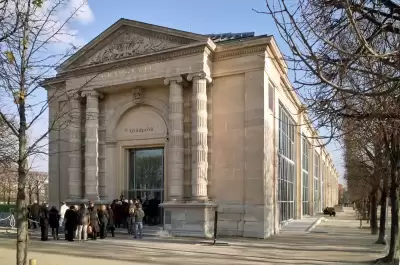
In the afternoon, you can decide to go towards the Louvre Museum or the Eiffel Tower. By using the Petit Palais as a stopover, you can easily explore the west side of Paris (8th arrondissement). If you are planning a more artistic trip, you can add other small art museums like the Musée de l'Orangerie to this route.
Budget Planning
The biggest advantage of the Petit Palais is that it is completely free. The permanent collections can be visited without spending a penny. If you want to enter temporary exhibitions, you should check the ticket prices on the official source; generally, there is a moderate fee.
Using the cafe in the museum is entirely optional; tea-coffee ranges between 5-10 euros. If you don't want to allocate any extra budget during your Paris trip, the Petit Palais is a completely free activity. When budgeting for all Paris museums, you can categorize the Petit Palais as "free" and allocate your resources to other paid museums.
Accommodation Choices
Given its location in the Champs-Élysées and 8th arrondissement, staying in the area can make things easier. However, this is one of the more expensive districts of Paris. If the budget allows, staying near the Louvre or the Latin Quarter and coming here is also good.
You can stay on the more western side with budgets suitable for everyone; there are many hotel options within 10-15 minutes by metro. If you want to stay close to the center of Paris and easily reach many attractions, the 6th or 7th arrondissements also offer reasonable options and easy access to the Petit Palais.
Shopping Opportunities
The most enjoyable way to shop around the Petit Palais is to stroll along the Champs-Élysées. From high fashion brands to small reception cafes on the streets, you can experience the classic commercial atmosphere of Paris. In the museum's gift shop, you can also find various art prints, postcards, and books.
The museum's resource sells books, catalogs, and decorations inspired by the art collection. It is possible to find photo albums or products related to the Belle Époque. By walking a few minutes to the Champs-Élysées, you can reach Paris's most famous shopping streets.
This content originates from neresigezilir.com.tr and may not be copied without permission.
Petit Palais Videos
Petit Palais videos load when you open this section to keep the page fast.
Show videos
FAQ
Updated: