Musée Jacquemart-André is a 19th-century mansion located on Boulevard Haussmann in Paris, housing Italian Renaissance works and masterpieces by artists such as Rembrandt, Botticelli, and Tiepolo in the former home of art collector Édouard André and his wife Nélie Jacquemart.
Musée Jacquemart-André is located at 158 Boulevard Haussmann, in the 8th Arrondissement of Paris. The building is a private mansion commissioned in the late 19th century by art collector Édouard André and his wife, painter and art historian Nélie Jacquemart. Both dedicated their lives to collecting art. The rooms you visit today were originally their home. Works by Botticelli, Rembrandt, Fragonard, and Tiepolo, Italian Renaissance pieces, and 18th-century decorative arts are exhibited together.
The visit begins with the grand staircase and proceeds through elegant salons. Some rooms are arranged like private apartments, while others have been transformed into art galleries. A detail frequently mentioned by visitors is that on some visiting days, a theatrical tour option is offered, where four actors portray Madam André's life through a humorous narrative. Those who have tried this tour say that visiting the museum a second time with a normal visit changes their perspective. There is also a warning: on some visits, the couple's private apartments may be closed, and this is not always clearly stated at the entrance. It is advisable to inquire about the current status before purchasing tickets.
The tea room in the courtyard is the natural end point of the visit. Sitting here with coffee and pastries, decorated with tapestries on the theme of the Trojan War, is a detail praised by visitors. If the weather permits, it is also possible to have lunch in the courtyard.
Guide's Note
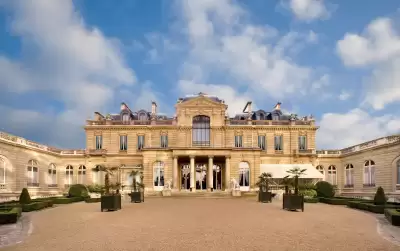
Although Musée Jacquemart-André is not one of Paris's most visited museums, it is described by the vast majority of visitors as one of the city's most valuable cultural stops. The museum's location within a historic private mansion transforms the visit experience from a mere art tour into a rich exploration of architecture and decoration. The combined presentation of private apartments and the permanent collection adds a distinct depth to the venue.
In addition to the permanent collection, the museum's temporary exhibitions also attract interest; the recent Spanish Baroque art exhibition has been particularly highlighted by multiple visitors. The Nélie Café within the museum is also recommended as a place to stop before or after the visit.
However, you may want to pay attention to some points raised by visitors:
- Scope of the collection: One visitor notes that the number of works is insufficient compared to the ticket price; it is recommended that those who consider the museum a small-scale venue adjust their expectations accordingly.
- Audio guide necessity: It is reported that explanations regarding the works are largely provided via audio guide, and information without the guide is quite limited.
- Noise level: It is stated that the noise level inside the museum can reach disturbing levels, especially during group visits, which can negatively affect visitor comfort.
When to Visit
The museum is open except on Mondays. Visiting on weekday mornings is advantageous for finding fewer crowds in the corridors and securing spots for theatrical tours. The theatrical guided tour is held on specific days and times; if you are considering this option, advance reservation is essential. Skip-the-line tickets are also available, which may be preferred especially during high season.
How to Get There
You can reach it by metro, getting off at Saint-Augustin or Havre-Caumartin stations and walking. Lines 3, 7, 9, and 12 stop at stations near the museum. For those going by bus, lines 22, 28, 43, 52, 54, 80, 83, 84, and 93 pass in front of the museum. Being on Boulevard Haussmann, it is also within walking distance of Galeries Lafayette and Printemps department stores.
How Much Time to Allocate
A standard visit lasts between 45 minutes and 1.5 hours; the collection is not large, fitting the scale of a mansion. If you choose the theatrical guided tour, an additional 45 minutes of performance time is added. Some visitors say they tour the exhibition again with a different perspective after seeing the play. In this case, the total duration can extend to 2-2.5 hours.
Suggested Route
After entering, you go up the grand staircase to reach the painting galleries. The Italian Renaissance room and the 18th-century decorative arts rooms follow one another. Works by Rembrandt and Botticelli are in the upstairs salons. The audio guide (available in many languages) makes it easy to follow the order of the works. Ending the visit in the courtyard tea room provides a natural conclusion.
Things to Note
A frequently mentioned point in visitor comments is that on some days, the couple's private apartments are closed to visitors, and this is not always clearly announced at the ticket office. Since you pay the full price, it is reasonable to inquire about this beforehand. Also, the museum is not included in the Paris Museum Pass; even if you have the card, you need to purchase a separate ticket.
Tea Room and Courtyard
The museum's courtyard tea room is a space decorated with tapestries on the theme of the Trojan War. Coffee and pastry products are offered; visitors praise the quality of the pastries. If the weather is nice, having lunch in the courtyard is also an option, a good spot to relax after the visit.
Good Spots for Photos
The grand staircase and the fresco adorning the ceiling are the strongest points for interior photos. The gold-framed paintings in the Renaissance hall also provide good shots if the lighting conditions are suitable. The courtyard is a preferred spot for photographing the mansion's facade from the outside.
This content originates from neresigezilir.com.tr and may not be copied without permission.
FAQ
Updated: