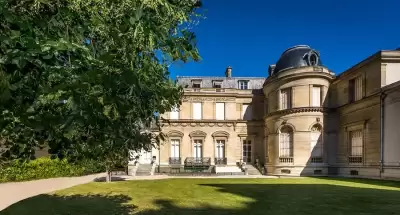
The Orangerie Museum is an art museum located at the western corner of the Tuileries Garden in Paris; it exhibits Claude Monet's Water Lilies series and Impressionist works, with an entrance fee of approximately 12.50 Euros.
The Orangerie Museum stands quietly and elegantly at the western end of the Tuileries Garden, right next to the Place de la Concorde in the heart of Paris. Built in 1852, the building was initially used as a greenhouse to display botanical collections, but was converted into an art museum in 1927.
The heart of the museum consists of Claude Monet's Water Lilies paintings, displayed in two large rooms. These immense works draw you into a world of color. On the lower floors, you can see works by great masters of the Impressionist and Post-Impressionist periods such as Renoir, Gauguin, Cézanne, and Matisse.
Less crowded than the Louvre or the Musée d'Orsay, this museum offers a more intimate and focused art experience. You can create an ideal visitor route by combining it with a walk in the Tuileries Garden.
Guide's Note
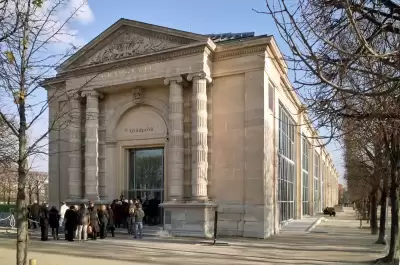
The Orangerie Museum is considered by the vast majority of visitors to be one of Paris's most tranquil and intimate museums. While it may seem small compared to colossal venues like the Louvre, this often turns out to be an advantage; you can explore the collection at a relaxed pace, in about an hour and a half to two hours. The museum's lighting has also been particularly praised by multiple visitors.
The undisputed focal point of the visit is Monet's Water Lilies series, housed in two oval rooms. In these daylight-filled rooms, the monumental paintings surround you completely; you can sit on the benches in the middle and gaze at the works for a long time. The permanent collection on the lower floor features works by artists such as Renoir, Cézanne, Matisse, Picasso, Soutine, and Utrillo. During the visit period, a temporary exhibition dedicated to Henri Rousseau was also open at the museum and received positive feedback from visitors.
However, some points noted in the comments include:
- The museum can get crowded, especially during peak hours; some visitors mention being bothered by crowds focused solely on taking photos rather than viewing the works in the Water Lilies room.
- It is reported that the ticket queue is much shorter when arriving early in the morning.
- It has been noted that online tickets may be more expensive than tickets purchased on-site; it is recommended to compare prices before buying tickets.
What is the Orangerie Museum?
The Orangerie Museum is a small but impressive art museum located at the western corner of the Tuileries Garden in Paris, right next to the Place de la Concorde. Its main fame is associated with Claude Monet's famous Water Lilies series, created in the last years of his life. These captivating paintings adorn the museum's main halls and virtually hypnotize visitors.
The museum brings together the most valuable works of the Impressionist and Post-Impressionist periods. In addition to Monet's Water Lilies, you can see works by Renoir, Gauguin, Cézanne, and other important artists. Among the famous museums in Paris, the Orangerie, being less crowded than the Louvre and Orsay, offers a more intimate art experience.
How to Get to the Orangerie?
The museum is located in one of the most central areas of Paris. Since it is situated west of Place de la Concorde, on the border of the Tuileries Garden, you can easily reach it by metro, bus, or on foot. The nearest metro stations are Concorde (lines 1, 8, 12) and Tuileries. It is also within walking distance of the Louvre Museum, so most visitors combine it with other attractions in this area.
You can also reach the Orangerie by walking along the banks of the Seine River. You can enter the museum directly by passing through the Tuileries Garden or admire the beautiful architecture of the museum from the outside. If you search for it around Rue de Rivoli, you will easily find it.
When to Visit?
The Orangerie Museum is open every day of the week, but closing times may vary. It is recommended to confirm current opening and closing hours on the official website before your visit. Arriving early in the summer allows you to explore the museum more comfortably and spend time in the Tuileries Garden.
The museum is traditionally closed on Tuesdays, but this may change. Morning hours and weekday afternoons are less crowded. If you are planning your visit in the winter months, keep in mind that it gets dark quickly and there are indoor spaces that need heating.
What's Inside the Museum?
The star attraction of the museum is Claude Monet's Water Lilies series. Displayed in two large rooms, these monumental paintings, placed on the surrounding walls, offer an immersive experience that completely envelops the viewer. Each painting depicts water lilies captured at different times of day and seasons, conveying the artist's captivating vision through plays of light and color.
On the lower floors, portraits, still lifes, and landscape works by important Impressionist and Fauvist artists such as Renoir, Gauguin, Cézanne, Matisse, Picasso, Soutine, and Utrillo are exhibited. The museum is specifically curated to provide a clear insight into Europe during the early Modernism period. The small size of the collection allows you to examine each work closely and meaningfully.
How Many Hours Should I Allocate?
Since the Orangerie Museum is smaller compared to other major museums in Paris, 1.5 to 2 hours is sufficient. Of course, if you are interested in art history and want to examine each work in detail, you can spend 2-3 hours. The time may vary depending on your fascination with Monet's Water Lilies.
If you opt for a guided tour, tours usually last 1.5 to 2 hours, and the explanations from art historian guides fill in any missing information. If you want to stroll through the Tuileries Garden and spend time outside the museum, it's a good idea to allocate a total of 3-4 hours for the area.
Route with Nearby Places
The Orangerie is at the center of one of Paris's most compact and effective tour routes. You can start from Place de la Concorde, walk through the Tuileries Garden, visit the Orangerie, and then proceed towards the Louvre Museum. This route offers a walking experience in the heart of history and art.
Alternatively, you can follow the north bank of the Seine River, come to the Orangerie from the Musée d'Orsay (approximately 20 minutes), and then visit the Louvre. Resting in the Tuileries Garden and transitioning to the Champs-Élysées are also possible in the same area. It is possible to cover all these points in one day.
Entrance Fee and Budget
The entrance fee to the Orangerie Museum is approximately 12.50 Euros. Discounted or free entry may be available on certain days and times. Reduced ticket prices apply for seniors, students, and the unemployed. It is recommended to check the official website for current prices and special offers before your visit.
If you have a Paris Museum Pass, you can enter the Orangerie for free. This card, which also covers the Louvre, Orsay, and other museums, is an economical option if you plan to visit multiple museums. Additionally, if you choose a guided tour package, the ticket price will change.
Tips for Visitors
Photography is generally allowed in the museum, but flash photography is prohibited. Taking photos in the contrasting lighting of Monet's Water Lilies can be challenging, so you may need to find natural light for better results. Since the museum is a rather quiet and calm environment, be mindful of shutter sounds.
Guided tour services are available at the museum, and you can opt for them if you want to delve deeper into art history. Also, the museum is a frequent stop for bus tours, so there may be a constant influx of visitors. If you arrive early, you will have a quieter and more focused experience.
Best Spots for Photography
The most famous photo spot at the Orangerie is the halls where Monet's large Water Lilies paintings are displayed. Photos taken by positioning yourself in front of the painting and framing it are very impressive. The sheer curtains, play of light, and colors will add an artistic dimension to your photograph. However, the use of selfie sticks is prohibited in the museum, so take your photos in a natural position.
From outside the museum, you can capture the Orangerie building with a wide-angle shot from the Tuileries Garden. Especially at sunset, the light in the area highlights French architecture in golden hues. You can also get magnificent frames by circling the museum from the Place de la Concorde.
Where to Stay Nearby?
The Orangerie is located in one of Paris's most tourist-friendly areas, so a variety of hotels and guesthouses are available, from luxury to budget. Place de la Concorde, Champs-Élysées, and the Marais districts are very close. Hotels near the Louvre Museum are also within walking distance. You can find a variety of options, from 4-5 star luxury hotels to clean and affordable boutique hotels.
If you are looking for more economical options, hostels and three-star hotels in surrounding areas like the Latin Quarter (Quartier Latin) and Marais are accessible choices that are less crowded. Prices are high in this tourist-heavy area, but metro connections are excellent, so if you want to venture out, you can easily reach trains and buses.
Where to Eat in the Area?
Many cafes and restaurants can be found right near the Orangerie and in the Tuileries Garden. Dining options abound around Place de la Concorde, extending along Rue de Rivoli towards the Champs-Élysées. The museum itself may not have a cafeteria, so nearby cafes and brasseries are preferred.
In the picnic areas within the Tuileries Garden, you can find a relaxing view while eating a sandwich you bought after leaving the museum. Walking to the Champs-Élysées or sitting by the Seine and eating is a classic experience in the area. Since prices are high in the tourist area, alternative restaurants a little further in (towards the Marais) might be more affordable.
Shopping Around the Museum
Since the Champs-Élysées and Rue de Rivoli are right near the Orangerie, there are many flagship stores of global brands and luxury boutiques. If you are looking for an art and design library, you can find books, bags, postcards, and reproductions related to Monet in the museum's gift shop. This can be a great souvenir shopping experience for your museum visit.
Stores along Rue de Rivoli offer a very wide range of products. When visiting the Louvre, you can also benefit from similar art book and replica shops. Book sellers (bouquinistes) along the Seine River also offer antique books and artworks. Prices tend to be high due to tourist density.
This content originates from neresigezilir.com.tr and may not be copied without permission.
Orangerie Museum Videos
Orangerie Museum videos load when you open this section to keep the page fast.
Show videos
FAQ

Updated: