Musée Marmottan Monet is a museum located in the 16th Arrondissement of Paris, showcasing Claude Monet's Water Lilies series and important works from the Impressionist period; the entrance fee for adults is approximately 12 Euros.
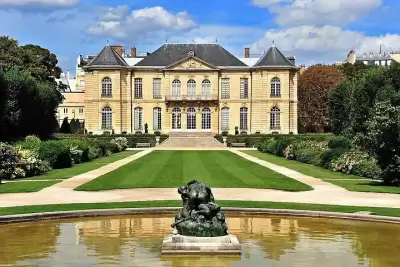
The Marmottan Monet Museum is housed in a 19th-century city mansion. Paul Marmottan's hunting-themed house was donated to the Académie des Beaux-Arts in 1932. In 1971, the collection suddenly grew with approximately 100 works bequeathed by Monet's son, Michel. Today, Impression, Soleil Levant is here, the work that gave its name to the Impressionist movement is hung in the Monet section on the lower floor.
Three floors are open to visitors. The upper floors have the ambiance of a city house with Napoleonic era furniture and objects. Descending to the basement, it transitions entirely to Monet; there are several canvases from the Nymphéas series and Japanese Bridge paintings. The Berthe Morisot collection is also the most comprehensive in the world, and many visitors write that this name is a surprising discovery. Temporary exhibitions are also a strength of the museum. The Segantini exhibition is one of the recent examples praised by visitors.
Compared to the Louvre or Orsay, there are almost no queues, which is a frequently mentioned point in reviews. At the end of the visit, it is possible to sit and take a break at the cafe in the small garden, a detail also shared by visitors.
Guide's Note
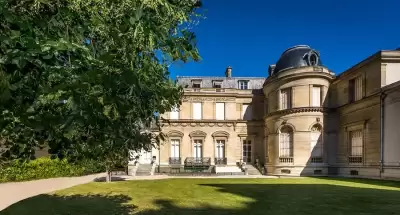
Musée Marmottan Monet stands out as a small-scale museum located in a quiet neighborhood, away from the crowds of the major Paris museums. Visitors state that they can wander at a relaxed pace without waiting in line in this venue, which houses one of the world's most comprehensive collections of Monet. It is reported that the museum is almost deserted during weekday visits, providing a conducive environment for closely examining the works. In addition to the permanent collection, temporary exhibitions dedicated to artists like Segantini also receive positive feedback from visitors. The small cafe in the museum's garden has recently opened and adds a distinct pleasure to the visitor experience.
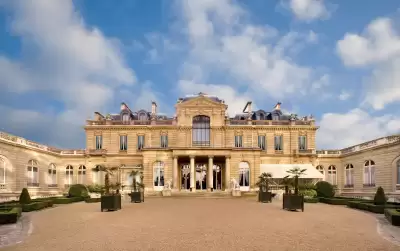
The venue itself also draws attention with its location in the 16th arrondissement and its building architecture; some visitors compare the atmosphere to the Musée Jacquemart-André. The quality of guided tours is generally appreciated; it is stated that the presentations by museum staff enrich the visit. The average visit duration is reported to be one and a half hours.
However, some recurring points of attention also stand out in the comments:
- Climate control: The museum does not have an air conditioning system; visiting in hot weather can be uncomfortable.
- Reception attitude: It is reported that on multiple visits, ticket office staff were cold and uninterested, with basic courtesies sometimes lacking.
- Exhibition texts: An observation is shared that the quality of explanatory texts in temporary exhibitions has declined compared to previous periods.
About the Museum
Marmottan Monet was originally established as a hunting museum, and in 1971, with Michel Monet's donation of his father's works, it transformed into the world's largest Monet collection. Impression, Soleil Levant, the painting that gave its name to the Impressionist movement, is exhibited here. Visitors also find the museum building itself worth seeing; the Napoleonic era furniture on the upper floors creates a city house atmosphere.
When to Visit
The last entry time is normally 5:00 PM. On Thursdays, the museum remains open until 9:00 PM, and the last entry extends to 8:00 PM; during this time slot, the crowds visibly decrease. Weekend afternoons are relatively busier. Weekday mornings are more suitable for those who want to visit calmly.
How to Get There
Taking Metro Line 9 to La Muette station and walking along the edge of the Ranelagh Gardens is the most practical way. It's also close to Bois de Boulogne; after visiting the museum, it's possible to take a walk in the park. The museum is a bit far from the city center, but public transport makes it easily accessible. Visitors also confirm this point.
How Much Time to Allocate
The average visit duration is 2-3 hours. If there is a temporary exhibition (such as the Segantini exhibition), this duration extends slightly. It is necessary to allocate enough time for those who want to visit all three floors and spend time in the Monet section on the lower floor.
Photo Spots
The Nymphéas series and Japanese Bridge paintings in the basement are the most photographed corners. The Napoleonic era salons on the upper floor also attract attention with their architectural details. The small cafe area in the garden is a preferred spot to sit and relax after the visit.
Things to Note
The museum is not large, and its capacity is limited, so sensitivity regarding quietness is required during crowded hours. Some visitors state that they experienced discomfort at this point. It may be beneficial to obtain accessibility information in advance for visiting with wheelchairs and strollers; as the building is historic, not all floors are easily accessible.
Visit Route
It is recommended to start from the upper floor, visit the Napoleonic era works and city house furniture, and leave the Monet section in the basement for last. This order of visit ends with the most impressive works. If there are temporary exhibitions like Segantini, time should also be allocated for the section reserved on the ground floor.
This content originates from neresigezilir.com.tr and may not be copied without permission.
FAQ
Updated: