This nine-day route, starting from Bursa and extending to Kocaeli, Sakarya, Eskişehir, and Ankara, brings together different facets of Turkey. We progress step by step from the deep history of the first Ottoman capital to the lush plateaus of Sakarya, from the Seljuk traces of Eskişehir to Ankara, the heart of the Republic. In each city, I have chosen stops that appeal to both the eye and the soul.
This nine-day route, starting from Bursa and extending to Kocaeli, Sakarya, Eskişehir, and Ankara, brings together different facets of Turkey. We progress step by step from the deep history of the first Ottoman capital to the lush plateaus of Sakarya, from the Seljuk traces of Eskişehir to Ankara, the heart of the Republic. In each city, I have tried to choose stops that appeal to both the eye and the soul. This trip is an ideal option for those who want to create enjoyable memories as a family.
Yıldırım Bayezid Mosque
The Sultan I. Bayezid Mosque, which gives its name to the Yıldırım district of Bursa, was built between 1390-1395. This is one of the most mature examples of Bursa-type mosques with a reverse T-plan. With its iwans on both sides, Bursa arches, and a facade rising two stories, it reflects the architectural understanding of its period. It is beneficial to consider it as a whole with the külliye.
Yıldırım Bayezid Tomb
The Yıldırım Bayezid Tomb is located in the courtyard of the Yıldırım Külliye, very close to the mosque. The body of the IV. Ottoman Sultan Yıldırım Bayezid was buried here after the Battle of Ankara in 1402. The tomb was built by Bayezid's son Emir Süleyman in 1406. This square-planned and dome-covered structure, with its three-arched portico in front, holds the distinction of being the first Ottoman tomb with a portico.
Emir Sultan Mosque
The Emir Sultan Mosque was built by Hundi Hatun, daughter of Yıldırım Bayezid, at the beginning of the 15th century upon the death of her husband, Emir Sultan. It stands out with its mihrab adorned with 17th-century Iznik tiles and its courtyard with a portico supported by sixteen marble columns. The fountain in the courtyard and the city view opening from the foothills of Uludağ make this one of Bursa's most visited religious sites. Visitors particularly prefer it for its spiritual atmosphere and tranquility.
Emir Sultan Tomb
The Emir Sultan Tomb is located right next to the Emir Sultan Mosque, in the Yıldırım district of Bursa. Emir Sultan, who witnessed the reigns of three Ottoman sultans and attained the rank of sainthood in Sufism, holds deep spiritual significance for the people of Bursa. The tomb's octagonal domes, fine stone craftsmanship, and colorful stained-glass windows present a unique example of Ottoman architecture. This is known as the resting place of the spiritual leader of Bukhara origin who lived during the founding period of the Ottoman Empire.
Hünkar Köşkü Museum
Located at the foothills of Uludağ, in the Temenyeri area, Hünkar Köşkü is a hunting lodge built for Sultan Abdülmecid in just 19 days in 1844. This historic building, which hosted three Ottoman sultans and Atatürk, has been open as a museum since 2003. Silicone statues and personal belongings of the sultans and Atatürk allow you to feel the atmosphere of the period. The woodwork and ceiling decorations are worth seeing.
Cumalıkızık Village
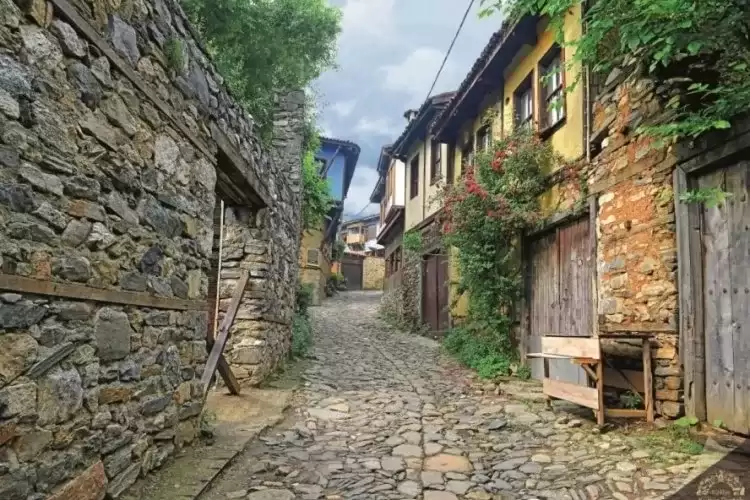
Cumalıkızık, located on the northern foothills of Uludağ in Bursa's Yıldırım district, is a village that carries 700-year-old Ottoman civil architecture to the present day. Listed as a UNESCO World Heritage Site in 2014, the village is known for its stone-paved streets, wooden bay-windowed houses, and unique atmosphere. It is especially preferred on weekends for its village breakfast and gözleme culture.
Bursa Zoo
Operating in Soğanlı since 1998, Bursa Zoo spans a vast area of 206,600 square meters. As an EAZA member, it offers an experience of European standards. Home to over a thousand animals from more than 137 species, the zoo is a favorite for families and nature lovers with its design suitable for natural habitats. It is possible to see rare species such as lions, leopards, and rhinos.
Soğanlı Botanical Park
Soğanlı Botanical Park, located right next to Bursa Zoo, houses more than 600 plant species in an area of 400 decares. It stands out with its Japanese, French, and English thematic gardens, a rose garden consisting of 6,000 roses, and ponds where turtles live. Bicycle paths and walking trails are ideal for those who want to spend time intertwined with nature.
Abdal Bridge
Abdal Bridge, located on the Nilüfer Stream in Bursa's Osmangazi district, is a historical structure built by Abdal Çelebi in 1669. The 64-meter-long cut stone bridge, with its pointed arch, presents a beautiful example of Ottoman period architecture. Being closed to vehicle traffic, it provides a pleasant walking area for pedestrians.
Bursa Metropolitan Municipality Stadium (Timsah Arena)
Timsah Arena, officially known as Bursa Metropolitan Municipality Stadium, the home of Bursaspor, opened in 2015. It was designed to UEFA standards with a capacity of 43,361 people. It gets its name from its steel construction roof, which resembles a crocodile's back when viewed from the outside. Even if it's not a match day, you can stop by to see its architecture from the outside and take photos.
Merinos Culture Park and Merinos Atatürk Congress and Culture Center
Merinos Culture Park, established on the grounds of the historical Merinos Factory in Bursa's Osmangazi district, is a vast green area of 252,500 square meters. It houses a congress and culture center and the Textile Museum. Easily accessible by metro, this park is one of the city's important resting spots with its artificial pond, ornamental pools, and cafeterias.
Demirciler Mansion
We move to Kocaeli with approximately a 1.5-hour journey from Bursa. Demirciler Mansion in Dilovası is a solid example of 19th-century Ottoman civil architecture, dating back to 1851. With its pencil-work decorations, harem-selamlık layout, and stable-hayloft sections on the ground floor, it reflects the daily life of the period.
Mimar Sinan Bridge (Gebze)
This 65-meter stone bridge, rising over the Dil Stream in Kocaeli's Dilovası district, was built by Mimar Sinan in the 16th century by order of Sultan Suleiman the Magnificent. The structure, reflecting the Ottoman bridge tradition with its three-arched architecture, is one of the rare historical artifacts remaining within the industrial zone.
Eskihisar Fountain
This fountain, located in Eskihisar village, is a square-planned Ottoman structure with a pyramid roof, built in 1772. It was repaired in 1844 and has survived to the present day. As one of the rare examples of the region's civil architectural heritage, it harmonizes with the historical village texture.
Çerkez Mehmet Efendi Mosque (Atalar Mosque)
Located in Atalar Mahallesi of Körfez district, right next to Yarımca train station, this small mosque was built in 1884 by order of Abdülhamit II. The mosque, which is the oldest place of worship in the neighborhood, has a calm and peaceful atmosphere.
Hacı Atıf Han
From Kocaeli, we travel approximately 1 hour to Taraklı in Sakarya. Hacı Atıf Han, located on the Silk Road, is a U-shaped, two-story structure approximately 200 years old. The lower floors were used as shops and stables, while the upper floors were used for accommodation. With its humble architecture, it bears traces of periods when caravan trade was vibrant.
Acelle Plateau
Acelle Plateau, located at an altitude of 1200 meters in Sakarya's Akyazı district, is a popular spot for nature lovers with its vast mixed forest cover and well-maintained plateau houses. It offers camping areas and walking routes extending to Karagöl. The orderly plateau houses at the entrance and the calm pond to the west promise a peaceful environment.
Sultanpınar Plateau
Sultanpınar Plateau, affiliated with Akyazı, is a calm place preferred for camping and picnicking, located at an altitude of 1200-1300 meters, with two lakes and forest plains. This plateau, where phone signal is weak, offers a real escape for those who want to get away from city noise. You can fill water from the natural springs along the way.
Doğançay Waterfall
Doğançay Waterfall, located at an altitude of 600 meters above sea level in the Geyve district, is a multi-tiered natural waterfall system. With its cool mountain air, forested hiking trails, and swimmable natural pond, it is ideal for those who want to take a breath of nature on the weekend. Some parts of the paths leading to the waterfall can be slippery, so it's good to be careful.
Hazinedar Masjid / Sivrihisar
After an approximately 2.5-hour journey from Sakarya to Eskişehir, we arrive in Sivrihisar. Hazinedar Masjid is located slightly below the bazaar in the Sivrihisar district center. It was built in 1274 by Necibiddin Mustafa, the treasurer of Anatolian Seljuks. It houses the first known example of a Kaaba fresco in Anatolia in its mihrab and its interior is covered with 15th-century miniatures. It is a unique structure where cut stone, wood, and brick are used together.
Yunus Hoca Kümbeti
This Seljuk kümbet, built in Sivrihisar in 1274, was constructed for Sadreddin Hoca Yunus. The kümbet has a dome with a diameter of 6 meters. The most striking part is the lion chasing a deer figure on the marble door jambs. This figure presents a beautiful example of 13th-century stone craftsmanship.
Hızır Bey Masjid
This masjid, built in 1439 by Hızır Bey, the grandson of Nasreddin Hoca, in Sivrihisar's Kubbeli Neighborhood, bears traces of Seljuk-Ottoman transitional period architecture. The structure, which stands out with its cut stone and brickwork, is within walking distance of the Ulu Mosque.
Akdoğan Masjid
Akdoğan Masjid, located right next to the clock tower in Sivrihisar, is a small structure dating back to the 15th century. With its wooden ceiling and flue-covered technique, it reflects the carpentry characteristics of the Seljuk period. Its simple interior, furnished with local kilims, offers a peaceful place of worship.
Seyyit Mahmut Suzani Külliyesi
The Seyyit Mahmut Suzani Külliyesi, located in Sivrihisar's Kurşunlu Neighborhood, consists of a kümbet, tomb, and hazire from the Seljuk period. Inside the kümbet are a mihrab and plaster-decorated consoles, while the tomb contains sarcophagi with Kufic inscriptions, including the grave of Nasrettin Hoca's daughter-in-law. The square-planned kümbet, built of regular block stone, is one of the region's important historical stops.
Hacı Bayram-ı Veli Mosque
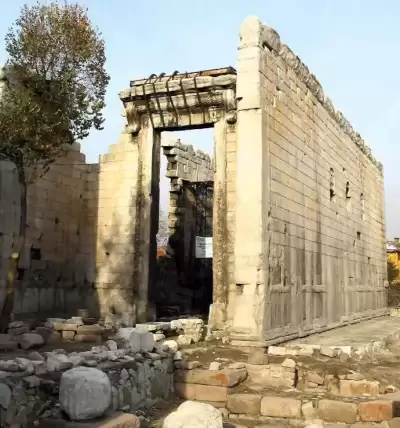
Our first stop after an approximately 2.5-hour journey from Eskişehir to Ankara will be the Hacı Bayram-ı Veli Mosque. This 15th-century mosque in Ankara Ulus, right next to the Temple of Augustus, stands out with its stone-based brick walls and tiled roof. The tomb of Hacı Bayram Veli, the founder of the Bayramiyye order, is also located in the mosque's courtyard. It takes on a special beauty with evening lighting.
Ankara Roman Bath and Ancient City
The Ankara Roman Bath, located within walking distance of Hacı Bayram-ı Veli Mosque, was built in the 3rd century AD during the reign of Emperor Caracalla. This open-air museum in the city center, with its stone and brick structure spread over a vast area of 80x130 meters, carries traces of Phrygian, Roman, and Byzantine civilizations together. With sections like the caldarium, tepidarium, and frigidarium, it showcases the bath culture of the period.
Gökyay Foundation Chess Museum
Located at the foot of Ankara Castle, in the historical Hamamönü district, the Gökyay Foundation Chess Museum is Turkey's first and only chess museum. It houses one of the world's most comprehensive collections with over 700 chess sets compiled from more than 110 countries. It offers a different perspective on the world of chess with themes of children, design, countries and civilizations, war and peace.
Kurtuluş Park
Kurtuluş Park, located in the Fidanlık Neighborhood of Çankaya, in the heart of Ankara, is one of the first green areas of the Republican era. With its vast area of 86,200 square meters, it is one of the city's most beloved meeting points with walking trails, sports fields, and picnic areas. It offers a peaceful recreation with its large shade-providing trees and well-maintained green areas.
This nine-day route offers a great opportunity to discover the unique texture and history of each city. Especially by setting off early in the morning, you can avoid crowds and enjoy every stop. Choosing central hotels in each city for accommodation will facilitate your transportation. As for food, don't forget to try the local delicacies of each city.
This content originates from neresigezilir.com.tr and may not be copied without permission.
Places in This Article
Places to visit mentioned in this article

75th Anniversary Republic Education Museum
Located in Sıhhiye, Ankara, right next to Atatürk High School, this museum houses a unique c…
Ahi Elvan Mosque
A 14th-century structure built on a sloping rock in Ankara's Samanpazarı district. The mosqu…

Akdoğan Mosque
A small mosque from the 15th century, located right next to the clock tower in Sivrihisar. I…

Alagöz Headquarters Museum
Located in Alagöz Village, Polatlı district of Ankara, this museum is housed in the historic…

Ankara University Faculty of Pharmacy Museum
Opened on December 16, 2013, on the anniversary of the faculty's establishment, this special…

Ankara University History Museum
Located on Ankara University's Beşevler campus, this museum is a quiet but valuable reposito…
Temple of Augustus
Standing with its back to Hacı Bayram Mosque in the heart of Ankara, the Temple of Augustus …

Beypazarı City History Museum
The City History Museum, which opened its doors in the 1928-built Rüstem Paşa School buildin…

Beypazarı History and Culture Museum
Located in the Beypazarı district of Ankara, this museum, which opened its doors in a three-…

Tile Museum
The world's first tile museum, established in Kütahya in the imaret building built by Yakup …
Eskicioğlu Mosque
This small mosque, located on Eskicioğlu Street in Hacı Bayram Neighborhood, Altındağ distri…

Eskihisar Fountain
Built in 1772, Eskihisar Fountain is a square-plan, pyramid-roofed Ottoman structure located…

Hacı Atıf Han
Located in Taraklı district of Sakarya, on the Silk Road route, Hacı Atıf Han is one of the …
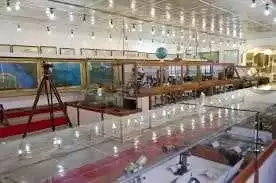
Cartography Museum
Located in the Cebeci district of Ankara, within the General Directorate of Mapping campus, …
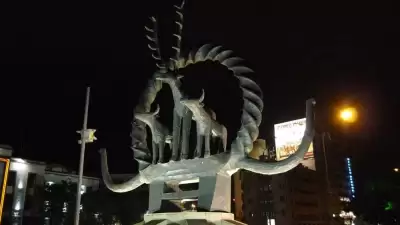
Hatti Monument
Rising near Sıhhiye Square in Ankara, the Hatti Monument is a modern structure that preserve…

Hızır Bey Mosque
A small Seljuk-Ottoman transitional mosque built in 1439 by Hızır Bey, grandson of Nasreddin…

Kahramankazan July 15 Martyrs and Democracy Museum
Established in the Kahramankazan district of Ankara, this museum was opened to document the …

Karacabey Mosque
Karacabey Mosque, located within the Hacettepe Hospital grounds in Ankara's Altındağ distric…

Karagöl
Karagöl, located in the Bozkurt district of Denizli, is a natural lake situated on a road th…

MKE Industry and Technology Museum
Located within the MKEK campus in Tandoğan, Ankara, the MKE Industry and Technology Museum s…
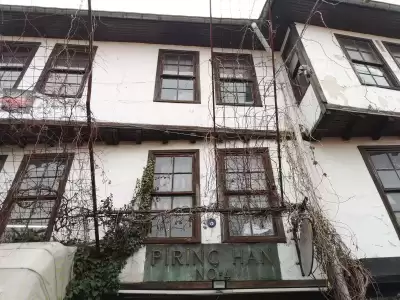
Pirinç Han
Pirinç Han, rising at the foot of Ankara Castle in the Atpazarı area, is a historic structur…
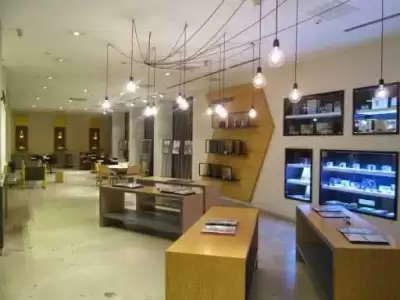
PTT Stamp Museum
A free museum in the historical Emlak ve Eytam Bank building in Ulus, exhibiting over 6,000 …

Şadırvan
Located near the Clock Tower in Balıkesir's Karesi district, the historic Şadırvan is one of…

Sebahattin Yıldız Museum
Located in the Çankaya district of Ankara, the Sebahattin Yıldız Museum is a private museum …

Seyyit Mahmut Suzani Complex
A Seljuk-era complex consisting of a kümbets, a tomb, and an open cemetery (hazire) in Sivri…
Sultan Alaaddin Mosque
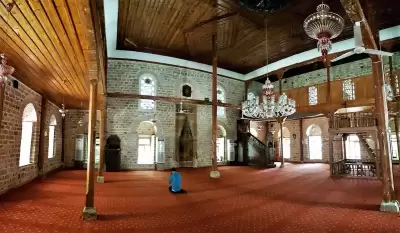
Located within the inner citadel of Ankara Castle, Sultan Alaaddin Mosque is the first mosqu…

TCDD Malıköy Train Station Museum
Located in Malıköy, Polatlı district of Ankara, this museum showcases the railway front of t…

Ulu Mosque
Located at Van's Beş Yol intersection, Ulu Mosque is one of the city's most recognized place…

Ulus Republic Monument
The Ulus Republic Monument, a symbol of Ankara, is a historical masterpiece opened on Novemb…

Yunus Hoca Tomb
A Seljuk tomb built in Sivrihisar in 1274. It was constructed for Sadreddin Hoca Yunus, the …
Bu yazıyı paylaş