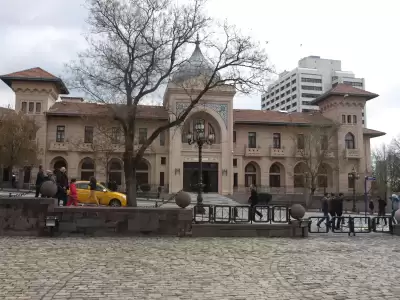
The Republic Museum is the 2nd Grand National Assembly building located in Ulus, Ankara; it hosted parliamentary sessions between 1924-1960 and has been operating as a museum since 1981.
Rising on Cumhuriyet Boulevard in Ankara's Ulus district, the Republic Museum is an exceptional building that directly witnessed the founding process of the Republic of Turkey. The building was opened on October 18, 1924, as the 2nd Grand National Assembly of Turkey; until May 27, 1960, it laid the groundwork for many historical decisions under the roof of the assembly. The entire period from the proclamation of the Republic to the transition to multi-party political life was shaped within these walls.
In the main hall where the general assembly convened, 116 deputy seats are still preserved exactly as they were. Atatürk's Great Speech, which he read for exactly 36 hours and 33 minutes between October 15-20, 1927, was also delivered in this hall. The structure was converted into a museum on October 30, 1981; with its collection of over 2,275 artifacts, it has become one of the most comprehensive open-air archives of Turkish political history. When visited together with the nearby 1st Grand National Assembly Building – War of Independence Museum, it offers a holistic picture of the period from the War of Independence to the establishment of the Republic.
Related discoveries: Places to visit in Ankara, Historical Places, Historical places in Ankara, Merik Mansion (Golden Pavilion).
Guide's Note

The Republic Museum is an important stop for visitors coming to Ankara who want to experience the founding process of the Republic firsthand, and it is included in the itinerary of most visitors. Designed by architect Vedat Tek, the building reflects the architectural understanding of its period with Seljuk and Ottoman ornamentation motifs; the parliamentary seats, podium, and ceiling decorations in the interior leave a strong impression on visitors. The rooms displaying personal belongings of presidents and the hall where Atatürk read the Nutuk in 1927 are among the most popular sections of the museum.
Many visitors from home and abroad state that the museum concretely conveys the period when critical decisions such as the approval of the Treaty of Lausanne, the proclamation of the Republic, and the abolition of the caliphate were made. Free entry is possible with a MuseumCard; it is recommended to visit it together with the 1st Grand National Assembly building.
- Parking problem: Paid parking areas are available in the vicinity; it is stated that daily fees are high and attention should be paid to valet services.
- Transportation: It is reported that public transportation is easy; those planning to come by car are advised to research parking options in advance.
When Should You Visit?
Since the museum is open every day of the week, you can make a flexible plan. Early mornings, especially on weekdays, are the least crowded times; you can explore the hall almost by yourself during these hours. The museum attracts great interest on October 29 Republic Day and the surrounding days; this period holds a special meaning for those who want to experience this atmosphere right in the heart of history, but be prepared for crowds.
In terms of weather conditions, since the museum is indoors, the season does not have a very significant effect. However, exploring the Ulus area on foot will be much more enjoyable in spring and autumn. In summer, it can be quite hot outside at noon, so we recommend starting early in the morning.
How to Get There?
The most practical way to reach the Republic Museum is via the Ankara Metro M1 line. Get off at Ulus station and walk approximately 5-7 minutes along Cumhuriyet Boulevard to reach the museum. The metro provides a fast and reliable connection from different parts of the city.
You can also easily reach the Ulus stop by EGO city buses; many lines pass through this point. If you are coming by private car, keep in mind that the building does not have its own parking lot; paid parking areas are available on surrounding streets, but finding a spot can be difficult during peak hours. Taxis or app-based car services are also a suitable alternative.
Suggested Itinerary: A Historic Day in Ulus
The Republic Museum is not just a destination in itself; it is an excellent starting point for exploring the historical fabric of Ankara. You can start your day with the 1st Grand National Assembly Building – War of Independence Museum; these two structures are located very close to each other and, when visited together, allow you to fully grasp the period from the War of Independence to the establishment of the Republic.
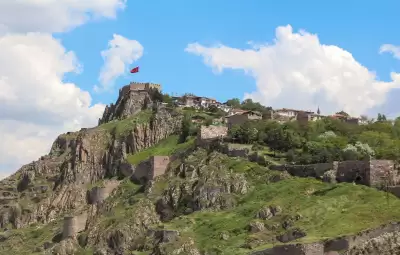
In the afternoon, you can visit Ankara Castle and the surrounding historical bazaar areas, then take a short walk around the Atatürk statue in Ulus square. If you have time, the Museum of Anatolian Civilizations is also within walking distance of Ulus and can easily be added on the same day. In this way, you will create a comprehensive route that connects Ankara's historical layers in a single day.
What to Eat Nearby?
Ulus district is one of the areas where Ankara's long-established artisan restaurants are concentrated. After visiting the museum, you can find many traditional establishments offering Ankara tava, beyin tava (lamb brain stew), and traditional Turkish breakfast. Especially the artisan restaurants within the Ulus bazaar offer both affordable and delicious lunch options.
For a light break, cafes on Cumhuriyet Boulevard can be preferred. There are also bakeries and patisseries selling simit, poğaça (pastries), and traditional desserts in the historical bazaar areas. If you time your museum visit for lunchtime, you will have enough time to explore the surrounding options.
Photo Spots
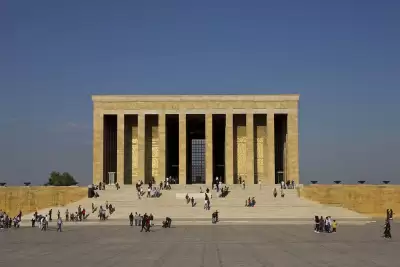
The most photographed facade of the museum from the outside is its main entrance facing Cumhuriyet Boulevard. The architectural lines of the building and the Turkish flag on it offer impressive shots, especially in the morning light. The wide area in front of the entrance provides sufficient distance to frame the entire building.
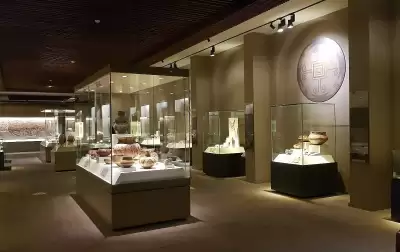
Inside, the general assembly hall is the strongest photo area; the perspective-creating arrangement of the seats and the podium are ideal for compositions reflecting the historical atmosphere. The display cases exhibiting period artifacts and original furniture also offer valuable details for documentary-style photographs. We recommend getting information at the museum entrance, keeping in mind that flash photography may be restricted.
Things to Know Before Your Visit
You can use your MuseumCard for entry to the museum; entry is free for cardholders. Turkish Republic citizens under 18 and over 65 also benefit from free entry. For those who do not want to buy a ticket, an e-ticket option is also available at the museum entrance; obtaining it in advance during busy periods shortens waiting times.
Due to the historical nature of the building, wheelchair and stroller access may be limited; we recommend calling the museum before your visit to confirm current accessibility conditions. Visitors are expected to observe noise levels inside the museum. Remember that the ticket office closes at 17:00 and the museum closes at 17:30; avoid leaving late in the afternoon to avoid missing the last entry.
History and Importance of the Museum
The building opened on October 18, 1924, as the 2nd Grand National Assembly of Turkey and served as the center of legislative activities until May 27, 1960. During this 36-year period, all decisions that profoundly transformed Turkey, such as the alphabet reform, calendar change, adoption of the civil code, and transition to multi-party political life, were made under this roof.
The most prominent memory of the building belongs to Atatürk's Great Speech, delivered between October 15-20, 1927. This speech, which lasted uninterrupted for six days and totaled 36 hours and 33 minutes, is considered one of the longest and most comprehensive documents in Turkish political history. After losing its parliamentary function, the building was converted into a museum on October 30, 1981; it underwent a comprehensive renovation process between 2001-2008 and was reopened to visitors. Today, with its collection of 2,275 pieces, it maintains its feature as one of the most important museums of Turkish political history.
Republic Museum (2nd Grand National Assembly Building) Videos
Republic Museum (2nd Grand National Assembly Building) videos load when you open this section to keep the page fast.
Show videos
FAQ
Updated: