


The Sultan Bayezid II Mosque is an important Ottoman-era structure built between 1485-1486 on the banks of the Yeşilırmak River in Amasya; it is a rare example of the tabhane architectural tradition and stands out with its two minarets crafted in different styles.
Among the structures imbued with Amasya's historical fabric, the Sultan Bayezid II Mosque holds a special place with both its architecture and historical background. Located right on the banks of the Yeşilırmak River, at the city's most vibrant point, this structure was built between 1485-1486 by 艦ehzade Ahmed, the Sanjak Bey of Amasya, at the command of Ottoman Sultan Bayezid II. The complex, which has survived to this day with its mosque, madrasah, and imaret sections, maintains its characteristic as one of the few sultan mosques in Anatolia.
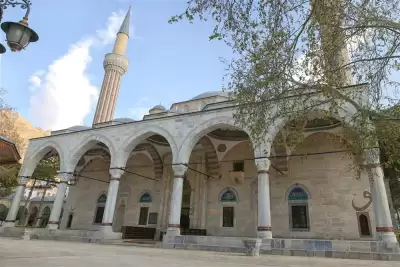
One of the most striking features of the structure is its interior, shaped by the reverse T-plan or tabhane architectural tradition. With two square spaces separated by a large arch in the middle and wings extending in the east-west directions, the mosque bears the traces of early Ottoman architectural understanding. Its two minarets are crafted differently: the eastern minaret gains a fluted appearance with colorful stones, while the western minaret is adorned with palmette motifs. The five-section portico for the last congregation is completed with domes resting on marble columns. The museum within the complex offers visitors a comprehensive experience with an interactive travel guide available in 12 different languages.
Related discoveries: Places to visit in Amasya, Historical Sites, Historical sites in Amasya, Pirler Park.
Guide's Note
Best Time to Visit
Amasya's climate is quite mild in spring and autumn; during these periods, both exploring the city and visiting the Sultan Bayezid II Mosque are much more enjoyable. April-May and September-October are especially recommended. Temperatures can rise in summer; if you prefer this season, planning your visit in the early morning or late afternoon will offer a better experience.
Since the intensity of worship increases during Friday prayer times, those who wish to take photographs or examine the architecture in detail should take these hours into consideration. During Ramadan, a special atmosphere prevails in the mosque, and the surroundings become quite lively in the evening hours.
How to Get There
The Sultan Bayezid II Mosque is located right in the heart of Amasya, on Mustafa Kemal Boulevard along the Yeşilırmak River. Thanks to its proximity to the city center, it is possible to reach it on foot; you can arrive at the mosque with a few minutes' walk from Amasya's historical bazaar or Hatuniye Neighborhood.
For those arriving by intercity bus, minibus or taxi options are available from Amasya bus station to the center. Those arriving by private car can use the parking areas on the boulevard. Amasya is a city easily accessible from surrounding provinces due to its location close to the Samsun-Ankara highway route.
Photo Spots
The facade of the mosque facing the Yeşilırmak River offers extremely impressive shots, especially in the morning light. In wide-angle photographs taken from the riverbank, the two minarets and the domed silhouette of the mosque can be captured together. To see the two minarets, crafted in different styles, in the same frame, it would be beneficial to try a perspective from in front of the portico for the last congregation.
The portico for the last congregation with marble columns that greets you as you enter through the courtyard gate of the complex is also a strong composition point for photography. In the evening hours, when the reflections on the Yeşilırmak and the mosque's illumination are considered together, an ideal environment for long exposure experiments is created.
What to Eat Nearby
In the immediate vicinity of the Sultan Bayezid II Mosque, you will find many local restaurants and cafes where you can discover Amasya cuisine. We recommend visiting the small shops in the bazaar to try local flavors, especially Amasya's famous çekme helvası and Amasya apple.
The cafes lined up along the Yeşilırmak River offer a pleasant atmosphere for a tea break. For lunch, a few steps towards the city's historical bazaar are enough; here, local restaurants serving home-cooked meals offer very reasonable prices.
Route Suggestion
The Sultan Bayezid II Mosque is an ideal starting point for exploring Amasya's historical fabric. After the mosque, we recommend walking along the Yeşilırmak River towards Amasya Castle and the King Rock Tombs; this route offers both historical and natural beauties together.
Do not forget to visit the madrasah and imaret sections right next to the mosque. After touring the entire complex, you can go to the historical bazaar to get a glimpse of Amasya's traditional commercial life. For those planning a full day, Hatuniye Mosque and Beyazıt Pasha Mosque are also located on the same route.
Things to Know Before Visiting
The mosque is actively used for worship; therefore, it is important to adopt a quiet and respectful attitude during your visit. We would like to remind you that you need to take off your shoes when entering. Female visitors are expected to cover their heads; loaner headscarves are usually available at the mosque entrance.
Due to the floor covering and thresholds of the structure, the use of wheelchairs or strollers may be difficult. When taking photographs, be careful not to disturb those praying during prayer times. If you plan to visit the museum section within the complex, it is advisable to confirm the current operating hours and entrance fee in advance.
Historical and Architectural Significance of the Complex
The Sultan Bayezid II Complex was built between 1485-1486 by 艦ehzade Ahmed, the then Sanjak Bey of Amasya, at the instruction of Ottoman Sultan Bayezid II. The complex consists of three main sections: a mosque, a madrasah, and an imaret, all of which have survived to the present day. The structure, which is one of the few sultan mosques in Anatolia, is considered the strongest representative of early Ottoman architectural understanding in Amasya.
The mosque's plan is an original interpretation of the tabhane or zaviyeli mosque tradition in Ottoman architecture. Two square spaces separated by a large arch in the middle and wings extending to the sides give the structure both functional and aesthetic integrity. The fluted surface of the eastern minaret with colorful stones and the palmette decorations of the western minaret demonstrate the use of two different architectural languages within the same complex. The five-section portico for the last congregation, completed with marble columns and domes, forms the most magnificent outward-facing facade of the structure.
Sultan Bayezid II Mosque Videos
Sultan Bayezid II Mosque videos load when you open this section to keep the page fast.
Show videos
FAQ

Updated:


