Havra Street, located in Izmir's Kemeraltı Bazaar, forms the historical center of the Izmir Jewish community with the Bikur Holim, Etz Hayim, Shalom, and Algazi synagogues, which have survived from the Ottoman period to the present day.
Havra Street, clustered in an area adjacent to Namazgâh in Izmir's Kemeraltı district, takes its name from the synagogues surrounding it. This area, known as Juderia during the Ottoman period, was the center of the commercial and religious life of the Izmir Jewish community. Shops that once produced and sold kosher food lined the street; today, traces of this texture can still be felt. It is known that the number of synagogues in Izmir reached fifteen in the 1900s.
Bikur Holim, Etz Hayim, Shalom, and Algazi synagogues are among the structures that have survived around Havra Street. Each reflects the architectural understanding of a different period and the historical journey of the community. In the process of Kemeraltı being added to UNESCO's World Heritage Tentative List, this area stands out particularly with its historical layers. While walking along the street, it is possible to see not only religious structures but also old passages, historic residences, and the bazaar's texture all together.
Guide's Note
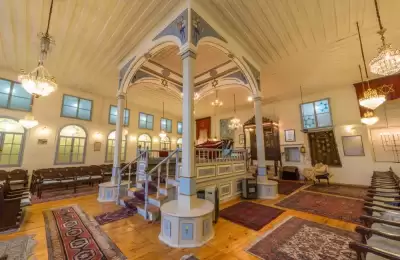
Havra Street and its synagogues, located in the heart of Kemeraltı Bazaar, serve as a gateway to Izmir's multicultural past. Visitors note that this place genuinely conveys its historical atmosphere with its stone walls and traditional architectural details. The area, which sometimes hosts small concerts, stands out as an attractive stop for those seeking cultural and religious heritage beyond ordinary tourist routes.
The history of Havra is quite ancient: the structure, mentioned as "Talmud Torah" in old sources, has undergone many fires since the 17th century and has been rebuilt numerous times. As of 2023, reconstruction efforts are reported to have begun. While some visitors welcome this restoration process with hope, they also emphasize the need to preserve the original texture and spirit of the place.
When planning your visit, it may be useful to pay attention to the following points:
- The structure has been neglected for many years; it is recommended to check current access conditions and whether it is open before your visit.
- Due to ongoing restoration work, the appearance of the venue and the visitor experience may vary.
- Some visitors particularly emphasize that the original architectural details and historical texture should be meticulously preserved during the renovation process.
What is Havra Street, and Why is it Important?
Havra Street is located within Izmir's Kemeraltı Bazaar, in an area adjacent to the Namazgâh district, and takes its name from the synagogues surrounding it. During the Ottoman period, this area was known as Juderia, meaning Izmir's Jewish quarter. For centuries, the religious, commercial, and social life of the community was shaped around this street.
By the 1900s, there were reportedly fifteen synagogues throughout Izmir. Today, the Bikur Holim, Etz Hayim, Shalom, and Algazi synagogues stand as the most visible representatives of this heritage. In the process of Kemeraltı being considered for UNESCO World Heritage status, this area is particularly valued for its historical layers.
Synagogues to Visit
The Bikur Holim, Etz Hayim, Shalom, and Algazi synagogues are among the structures that have survived around Havra Street. Each reflects the architectural understanding of different periods and carries clues about the historical journey of the Izmir Jewish community. Some synagogues are open to visitors on specific days or with guided tours.
When planning your visit, it is advisable to consider prayer times and, if possible, inquire in advance. Don't forget to ask about rules regarding indoor photography; a respectful approach to religious sites is always expected.
Best Time to Visit
During Izmir's hot summers, Kemeraltı and Havra Street offer a much more pleasant experience in the early morning hours. In the afternoon, the bazaar gets crowded and the temperature rises. Spring (April-May) and autumn (September-October) are the most suitable periods, both in terms of weather conditions and the vibrancy of street life.
During Jewish religious holidays, some synagogues may be closed to visitors or their schedules may change. It would be beneficial to get up-to-date information before these dates. Weekday mornings are the best option to avoid crowds and chat with bazaar vendors.
How to Get to Havra Street?
Havra Street is a 10-15 minute walk from Konak Square. After arriving at Hilal Station by Izmir metro or İZBAN, you can walk into Kemeraltı. Tram and bus lines in Konak also stop at points close to the area.
Once you enter Kemeraltı Bazaar, you can proceed along Anafartalar Street and follow the directional signs. Since the area consists of very narrow streets, entering by car is both difficult and impractical; walking is the healthiest method of transportation. Paid parking lots are available nearby.
Suggested Route with Kemeraltı
Instead of visiting Havra Street alone, you can create a walking route by incorporating it into the historical fabric of Kemeraltı. A route starting from Konak Square, passing through Kızlarağası Han, Hisar Mosque, then Havra Street, and extending to L'Agora Open Air Museum, allows you to see Izmir's different cultural layers in one day.
Don't miss the old passages and historic residences around Havra Street. As you walk along the street, you will frequently encounter tiled structures and historic facades tucked into corners. Have your camera or phone ready.
What to Eat and Where to Go Nearby?
Havra Street and its immediate surroundings open into one of the most vibrant areas of Kemeraltı. Along the street and in the small restaurants nearby, you can find Izmir-specific boyoz, gevrek, stuffed mussels, and various seafood. Small breakfast spots hidden in the inner streets of Kemeraltı can also be a nice stop for a morning excursion.
For fish and seafood, the fish stalls and small restaurants in the area can be preferred. Although kosher products are no longer widely found on this street today, the historical texture still evokes the past commercial life.
Photo Spots
Havra Street, with its narrow cobblestone streets, historic synagogue facades, and old passage entrances, is a very fertile area for photography. In the early morning hours, the light is soft, and the street is not yet crowded; these hours allow you to capture the best shots.
The stone craftsmanship and door details on the exterior facades of the synagogues offer interesting subjects for architectural photography. Always ask for permission before taking photos inside. You can also get documentary-style shots at the corners of the street and at the entrances of passages.
Things to Know Before Visiting
Synagogues are religious sites; respectful attire is expected during your visit. Some structures can only be entered with guided tours or prior permission. Before planning your visit, you can consult the Izmir Jewish Community or local tour operators to learn about current conditions.
Kemeraltı is generally a safe area; however, it is recommended to be mindful of your belongings in the crowded bazaar environment. Using wheelchairs or strollers in the narrow streets is difficult; the area is limited in this regard.
This content originates from neresigezilir.com.tr and may not be copied without permission.
Havra Street and Synagogues Videos
Havra Street and Synagogues videos load when you open this section to keep the page fast.
Show videos
FAQ

Updated: