Pergamon Ancient City, located 100 kilometers northeast of Izmir, is a UNESCO World Heritage site dating back to the 7th-6th centuries BC; as the capital of the Attalid Kingdom, it houses the magnificent Acropolis, ancient theater, Asklepion, and Red Basilica.
Bergama, or Pergamon as it was known in antiquity, is a multi-layered ancient city spread within and around the district of the same name, approximately 100 kilometers from Izmir. This settlement, whose history dates back to the 7th-6th centuries BC, came under the rule of the Attalid Dynasty after the death of Alexander the Great in 323 BC and experienced a brilliant period as the capital of the Kingdom of Pergamon. In 2014, Bergama was inscribed on the UNESCO World Heritage List, making it the first UNESCO site within Izmir's borders and the 13th in Turkey.
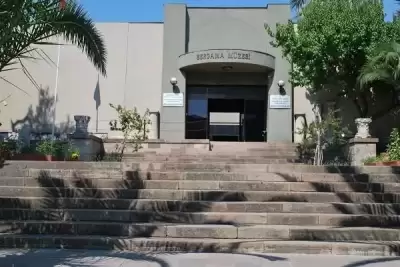
The most striking point of the city is the Acropolis, built on a steep hill. From here, it is possible to see both the remains of ancient structures and the panoramic view stretching over the plain. In addition to the Acropolis, the Asklepion, considered one of the most important health centers of antiquity, the Red Basilica (Temple of Serapis) from the Roman period, and the Bergama Archaeological Museum are among the indispensable stops in the city. Although it is possible to visit all these areas in a single day, we recommend spending at least one night in Bergama, considering that each has a distinct depth.
Guide's Note
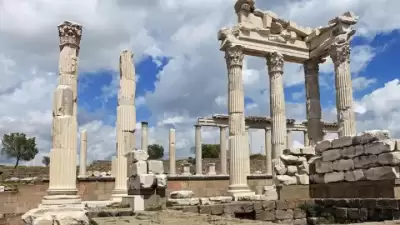
Pergamon Ancient City leaves a strong impression on visitors, especially with its ancient theater and the vast view it offers. It is frequently emphasized in comments that it is a valuable stop for those who want to see the historical texture firsthand. Researching the city's history before your visit will make what you see more meaningful.
MüzeKart is valid for entry. The area can be reached by cable car or private vehicle; the cable car is said to offer a more enjoyable experience. It should also be noted that the ticket price applied to foreign visitors (165 Euros) is remarkably high.
While some visitors appreciate the potential of the site, they also express concerns about maintenance and preservation. From a practical perspective, it is important to consider that the area is quite large and requires long walks in the open air.
- Caution in hot weather: The area is large and shade is limited; in summer, it is recommended to bring plenty of water and, if possible, prefer early morning or late afternoon.
- Maintenance deficiencies: More than one visitor complains that the historical structures are neglected and in disrepair.
- Foreign visitor ticket price: The price difference between local and foreign visitors has been noted as striking by some visitors; if you are coming from abroad, it would be wise to check current ticket information in advance.
Understanding Pergamon: Layers of History
What distinguishes Bergama from other ancient cities is that its history is not limited to a single period. Starting as a small settlement in the 7th-6th centuries BC, the city transformed into one of the most powerful cultural centers of the Hellenistic world during the Attalid period. The famous Library of Pergamon of that era is known as the second largest library of antiquity after Alexandria. The city maintained its importance during Roman rule and today offers both Hellenistic and Roman heritage together.
When you visit Bergama, you are actually visiting multiple areas: the Acropolis on the hill, the Asklepion located in the plain, and the Red Basilica in the city center represent different periods and functions. Therefore, when planning your visit, these three points should be considered separately.
When Should You Go?
The ideal times to visit Bergama are spring (April-June) and autumn (September-October). During these months, temperatures are quite suitable for walking, and tourist density is relatively lower. In July-August, the acropolis hill can be quite hot due to limited shaded areas; if you are coming in the summer, we recommend starting early in the morning.
Bergama remains visitable in winter; it offers a quiet experience away from the crowds. However, keep in mind that some facilities close earlier in winter hours and weather conditions can sometimes make the visit difficult. The roads leading to the Acropolis can become slippery in rainy weather.
How to Get to Bergama?
By Car: From Izmir, follow the E87 highway north for approximately 1.5 hours to reach Bergama. If you come by car, there are parking areas at the foot of the Acropolis; from there, you can go up the hill by cable car or on foot.
By Bus: Regular bus and minibus services operate from Izmir Bus Terminal to Bergama. The journey takes approximately 1.5-2 hours. From Bergama bus terminal, it is possible to reach the city center and then the archaeological sites by dolmuş (shared taxi) or taxi.
Cable Car: There is a cable car line that goes up to the acropolis from Bergama center. It is a preferred option, especially in summer, both for its practicality and the views it offers. We recommend checking in advance as the cable car may operate seasonally.
Bergama Route Suggestion
Suggested order for a one-day visit: Start early in the morning with the Bergama Archaeological Museum. The museum makes it easier to understand the city's history and findings in context; thus, you will view the structures on the acropolis with a much more meaningful eye. Then, go up to the Acropolis by cable car or car; visit the theater, the remains of the Temple of Athena, and the Temple of Trajan. In the afternoon, go down to visit the Red Basilica, and towards evening, proceed to the Asklepion.
For a two-day visit, you can dedicate the second day to the Asklepion at a more leisurely pace, and visit the small villages and local market in the vicinity. Bergama's bazaar area is also a worthwhile area for a walk with its historical texture.
Photo Spots
Bergama is an extremely rich area for photography enthusiasts. The most iconic shot at the Acropolis is obtained from the Bergama Theater, known as one of the world's steepest ancient theaters; a wide-angle photograph taken from the top of the steps captures both the architecture of the theater and the Bergama plain stretching behind it.
The columns of the Temple of Trajan offer powerful compositions, especially in the morning light and during the golden hour. The reddish brick texture of the Red Basilica creates an interesting frame for those looking for an urban background. Aerial views taken from the cable car are also quite impressive for seeing the city's settlement pattern and the intertwining of the ancient site with the city.
What to Eat in Bergama?
Bergama is a small district offering a simple and delicious interpretation of Izmir cuisine. In local restaurants, fresh olive oil dishes, Aegean herbs, and plates prepared with seasonal vegetables stand out. For breakfast, small breakfast salons in the district center set tables full of local cheeses and olives.
Bergama meatball, a unique flavor of Bergama, must be tried. Fresh bread and pastries sold in the bakeries in the district's bazaar area can also be preferred as snacks during the visit. For lunch, restaurants near the Acropolis offer a practical option; for a more authentic experience, we recommend going down to the district center.
Where to Stay?
Although Bergama is within day-trip distance from Izmir, spending a night here allows you to experience the city in a much calmer and deeper way. In the district center, there are boutique hotels, guesthouses, and family-run accommodations. Small boutique hotels, converted from restored historical mansions, are among the best options reflecting the Bergama atmosphere.
For budget-focused travelers, guesthouses offer an affordable and friendly alternative. It is recommended to make reservations in advance as accommodation capacity may be limited during high season (April-October).
Things to Consider Before Visiting
Since the Acropolis is located on a steep hill, comfortable and non-slip shoes are essential for walking. Especially in rainy weather, stone surfaces can be quite slippery. In summer, sunscreen, a hat, and plenty of water should be carried; shaded areas on the acropolis are extremely limited.
Wheelchair and stroller use is quite difficult on the acropolis grounds; the terrain is uneven and stony. If you have a MüzeKart for museum and archaeological site entrance fees, keep it with you. Photography is generally allowed, but restrictions may apply in some indoor areas; follow the signs on site.
This content originates from neresigezilir.com.tr and may not be copied without permission.
Pergamon Ancient City (Bergama) Videos
Pergamon Ancient City (Bergama) videos load when you open this section to keep the page fast.
Show videos
FAQ

Updated: