The Great Palace Mosaic Museum is located within the Arasta Bazaar in Sultanahmet, exhibiting Byzantine palace mosaics dating from 450-550 AD. There is an entrance fee; free entry is provided with a Museum Pass.
Located right in the middle of Istanbul's busiest tourist area, within the Arasta Bazaar, next to the Blue Mosque, the Great Palace Mosaic Museum is a true hidden gem that most visitors pass by without even realizing. Uncovered by excavations that began in 1935 and converted into a museum in 1953, this area preserves the mosaic floor pavements belonging to the colonnaded courtyard of the Byzantine Empire's Great Palace complex.
Dating between 450 and 550 AD, specifically to the reigns of Emperors Justinian and Heraclius, the mosaics feature a rich iconography consisting of hunting scenes, mythological figures, animal depictions, and daily life vignettes. This mosaic floor, covering a total area of over 250 square meters, is considered one of the world's largest and best-preserved collections of late antique mosaics. It is extremely difficult to find another place where such comprehensive examples of Byzantine civil art can be seen under one roof.
Guide's Note

The Great Palace Mosaic Museum is a small-scale museum located in a quiet corner away from the crowds of Sultanahmet, housing mosaics from the Byzantine period. Entry to the museum is through the Arasta Bazaar. Those who have visited before particularly emphasize the detailed craftsmanship and vibrant colors of the mosaics that have stood for over a thousand years. It is noted that it offers a comfortable visiting environment for those interested in history and ancient art, as it attracts far fewer visitors compared to heavily trafficked venues.
However, a significant portion of recent comments indicates that the museum is currently closed due to restoration work. It is recommended to confirm the museum's current opening status from official sources before planning your visit.
- Restoration closure: Multiple visitors have reported seeing the museum closed for restoration; no definite information has been shared regarding when the closure will end.
- Lack of current information: Some visitors have expressed disappointment at the lack of sufficient warning that the museum was closed.
- Entrance point: The museum's entrance is not directly from the street but through the Arasta Bazaar; those who come without knowing this may have difficulty finding the entrance.
The Story of the Great Palace and Mosaics
The Great Palace, the administrative center of the Byzantine Empire, was a colossal complex stretching between today's Sultanahmet Square and the Marmara coast. This collection of structures, where emperors lived and conducted state affairs for centuries, was largely demolished or built over after the Ottoman conquest. However, the mosaic pavements hidden beneath the ground were brought to light again with excavations initiated by British archaeologists in 1935.
The mosaics uncovered as a result of the excavations covered a wide corridor believed to belong to the palace's colonnaded courtyard. This period, extending from the mid-5th century to the late 6th century AD, coincides with one of the most brilliant phases of Byzantine art. The stylistic features and iconography of the mosaics are extremely valuable for reflecting both the Christian and pagan cultural heritage of the period.
When to Visit?
The museum is closed on Mondays, so it is important to plan your visit accordingly. On weekday mornings, especially between 09:00-11:00, the museum is quite calm, independent of the general tourist density of Sultanahmet. Since the exhibition area consists of an indoor space, it offers a comfortable visit even on rainy days; in fact, taking shelter here on a rainy Istanbul day can turn into a quite pleasant experience.
Spring (April-May) and autumn (September-October) are the most suitable seasons for visiting Istanbul in general, and also the ideal periods for exploring the surrounding Arasta Bazaar and Sultanahmet. Although the Sultanahmet area experiences heavy crowds in the summer months, the museum itself remains relatively quiet; this also makes it attractive for cooling off on a hot summer day.
How to Get to the Museum?
Since the museum is located in one of Istanbul's most central tourist spots, transportation is quite easy. You can reach it by walking approximately 700 meters from the Sultanahmet stop on the Kabataş-Bağcılar tram line (T1). When you enter the Arasta Bazaar from Sultanahmet Square, following the eastern facade of the Blue Mosque, you will easily find the museum.
Cankurtaran metro station is another alternative within walking distance. Parking a car in the area is both difficult and unnecessary; public transport always offers a much more practical option. It is also possible to walk to the museum from many hotels in Sultanahmet.
Tips for Photography
The museum's interior offers views of the mosaics from slightly raised platforms at ground level. For those using a wide-angle lens, capturing frames encompassing the entirety of the mosaics will be quite satisfying. Since lighting is provided by artificial light, clear photos can be taken without the need for flash; however, it is recommended to consult museum staff before using a tripod.
Especially the panels featuring hunting scenes and animal figures offer extremely rich content for detailed photography. The color transitions and the delicacy of the stone craftsmanship on the mosaics yield impressive results in macro shots. It is much easier to obtain clean compositions without people during morning hours when visitor density is low.
What to Eat and Where to Go Nearby?
The Arasta Bazaar, where the museum is located, offers a pleasant atmosphere for having tea and taking a break. There are numerous restaurants and cafes in the Sultanahmet and Cankurtaran neighborhoods to suit every budget. In this part of the historical peninsula, restaurants serving traditional Turkish cuisine are quite common; places around Divan Yolu might be a good choice for lahmacun, pide, and various kebabs.
If you are combining your museum visit with other historical sites in Sultanahmet, you can have lunch in a calmer and more local atmosphere by heading towards the Cankurtaran district. Cafes and restaurants with Marmara Sea views can also be easily found in this area.
Sultanahmet Historical Route Suggestion
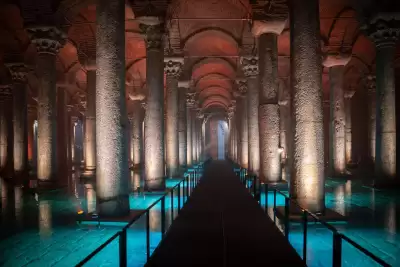
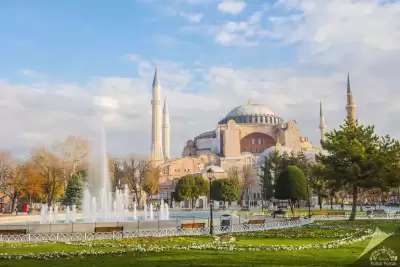
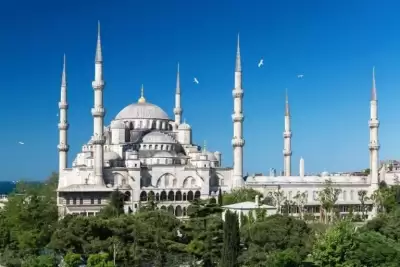
The Great Palace Mosaic Museum is a stop that can be fitted into a half-day within the busy historical route of Sultanahmet. You can start your day with Hagia Sophia, then visit the Blue Mosque, and afterwards proceed to the museum via the Arasta Bazaar. After the museum visit, the Basilica Cistern, just a few steps away, can also be included in the route.
For those planning a more comprehensive Byzantine history route, it is possible to combine the museum with the Istanbul Archaeological Museums and Topkapi Palace on the same day; however, completing all three in one day can be quite tiring. Visiting the Mosaic Museum before noon and dedicating the afternoon to Topkapi creates a more balanced schedule.
Things to Know Before Visiting
The museum is closed on Mondays; overlooking this information can negatively affect your visit plan. Although the opening time is set at 09:00 and closing at 17:30, it is necessary to consider that hours may change on public holidays. Confirming current information before your visit is always a good habit.
Museum Pass holders can enter the museum for free. If you plan to visit multiple museums in Istanbul, purchasing a Museum Pass provides significant savings. Since the museum's exhibition area is relatively small, the space can become crowded during visits with large groups; if possible, individual or small group visits should be preferred. Access to the ground-level platforms requires stairs, so wheelchair and stroller use is difficult.
This content originates from neresigezilir.com.tr and may not be copied without permission.
Great Palace Mosaic Museum Videos
Great Palace Mosaic Museum videos load when you open this section to keep the page fast.
Show videos
FAQ
Updated: