Located in the Defter-i Hakani Nezareti building in Sultanahmet, the Hagia Sophia History and Experience Museum presents the 1,700-year history of Hagia Sophia through a multi-sensory narrative across 13 halls. The entrance fee for foreign visitors is approximately 25 Euros.
The Hagia Sophia History and Experience Museum is not merely an exhibition space; it offers a multi-layered narrative experience that draws the visitor directly into history. Opening its doors in the Ottoman-era Defter-i Hakani Nezareti building, right next to Sultanahmet Square, the museum has become a must-visit point before or after visiting Hagia Sophia.
Across the museum's 13 halls, rare artifacts from the Byzantine and Ottoman periods, liturgical materials, manuscripts, and original documents such as Fatih Sultan Mehmed's 36-meter Hagia Sophia Endowment Deed are exhibited. Thanks to carefully prepared interactive screens and a multi-language audio guide system, visitors of all ages can easily grasp these historical layers.
The museum is designed with an understanding of experiential museology; meaning visual, auditory, and spatial narrative tools are used together instead of just showcases and labels. Visiting this museum before exploring the physical structure of Hagia Sophia makes the historical weight felt under that colossal dome much more meaningful.
Guide's Note

The Hagia Sophia History and Experience Museum conveys the history of the structure from the Byzantine to the Ottoman period with audio and visual narratives progressing room by room. Since a multilingual guidance option is offered, visitors from different countries can follow the content in their own languages. Some visitors state that visiting this museum, especially before visiting Hagia Sophia, contributed to their better understanding of the structure. The exhibition section also includes Quran manuscripts and some artifacts belonging to sultans.
On the other hand, experiences are quite divided. While some find the narrative style engaging, others believe that the content largely consists of AI visuals and voiceovers, and physical exhibition pieces are quite limited. The complete absence of the period when Hagia Sophia was used as a museum in the narrative has also been noted as a deficiency by some visitors.
Frequently recurring points of attention in the comments are:
- Price-content balance: The ticket price, reflecting approximately 25 Euros, seems expensive to many visitors considering the visual-auditory tour lasts about 30 minutes.
- Combined ticket confusion: It is reported that staff at the entrance give conflicting information about tickets, and some visitors felt compelled to buy combined tickets even if they didn't want to.
- Museum Card and city cards not valid: It is stated that cards like Müzekart and Welcome Card (Deluxe) are not accepted at this venue, and those who learn this at the entrance experience disappointment.
- Hall capacity: Despite the high number of visitors, the narrative rooms are small, which can negatively affect the experience.
- Entrance staff attitude: Multiple comments include complaints about staff exhibiting a harsh or unhelpful attitude.
When to Visit?
While the museum is open to visitors throughout the year, the calmest periods are the spring and autumn months between March–May and September–November. During July–August, the Sultanahmet area experiences a heavy influx of tourists, so waiting times at the museum may increase.
In terms of time of day, arriving at opening hours in the morning or late in the afternoon is the most practical way to avoid crowds. Large tour groups, in particular, usually concentrate around noon; it may be difficult to move comfortably in the halls during these hours. Weekday visits tend to be calmer compared to weekends.
How to Get to the Museum?
The Hagia Sophia History and Experience Museum is located in Sultanahmet, one of Istanbul's most central points. It is quite easy to reach from all parts of the city.
Tram: Get off at the Sultanahmet stop with the T1 line; the museum is a few minutes' walk away. This is the most practical and economical option.
Metro + Tram: You can come to Aksaray with the M1 line and transfer to the T1 tram from there. If you are coming from Taksim, the F1 funicular and T1 tram combination works.
On Foot: It is also possible to reach on foot from Eminönü, Grand Bazaar, or Topkapi Palace; even a short walk within Sultanahmet's historical texture turns into an enjoyable experience in itself.
For those coming by car, finding parking in the area is extremely difficult; therefore, public transport or a taxi is much more sensible.
How Much Time Should You Allocate for a Visit?
The museum's 13 halls can be explored in an average of 1.5 to 2.5 hours. However, this duration can vary significantly from person to person; for those who enjoy spending time in front of interactive screens or carefully following the audio guide, it would not be surprising for it to extend up to 3 hours.
For those planning to visit the museum on the same day as Hagia Sophia, allocating a full day is the healthiest approach. Starting with the museum in the morning and moving to Hagia Sophia in the afternoon offers an ideal sequence for adequately grasping both structures. For those who wish to add other historical sites in Sultanahmet to their program, two days might be considered.
Sultanahmet Route Suggestion
Making the museum a part of a Sultanahmet route allows you to grasp the historical depth of the region much more comprehensively. The following sequence offers both a logical narrative flow and a physically efficient itinerary:
1. Hagia Sophia History and Experience Museum — Start your day here; learning the 1,700-year story of Hagia Sophia will make every detail much more meaningful when you visit the structure afterward.
2. Hagia Sophia Grand Mosque — After leaving the museum, go directly to the structure itself; what you see will now mean much more.
3. Sultan Ahmed Mosque (Blue Mosque) — This magnificent structure on the opposite side of the square is one of the pinnacles of Ottoman architecture.
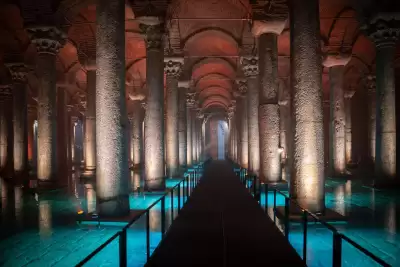
4. Basilica Cistern — A completely different Byzantine world awaits you a few steps below the surface.
5. Topkapi Palace — You can dedicate the rest of the day to this extensive complex.
What to Eat Around the Museum?
Since food and drink consumption is prohibited inside the museum, you need to consider the surrounding establishments before or after your visit. Sultanahmet is home to some of Istanbul's most established restaurants and cafes.
Small businesses offering traditional Turkish breakfast in the streets near the square are perfect for morning visits. At lunchtime, restaurants on Divan Yolu offer various options; however, keep in mind that prices may be higher compared to other districts of the city due to it being a tourist area.
For a more affordable and authentic experience, it is enough to take a few steps into the side streets around Little Hagia Sophia Mosque or towards Kadırga; here you can find modest artisan restaurants frequented by local regulars.
Things to Know Before Your Visit
Age limit: Children aged 0–8 are admitted to the museum only with parental consent. If you are going with small children, consider this in advance.
Food and drink: Food and drink are prohibited inside the museum; consume them outside before your visit.
Tickets: During busy periods, long queues can form, so buying tickets online saves time and ensures guaranteed entry. Museum Card holders can use their cards.
Headphones: Multi-language headphones are distributed at the museum entrance; be sure to take them, as the audio narration strongly connects the experience between the halls.
Photography: Photography is allowed; however, confirm museum rules regarding flash use and tripods with staff at the entrance.
This content originates from neresigezilir.com.tr and may not be copied without permission.
FAQ
Hagia Sophia History and Experience Museum videos load when you open this section to keep the page fast.

Updated: