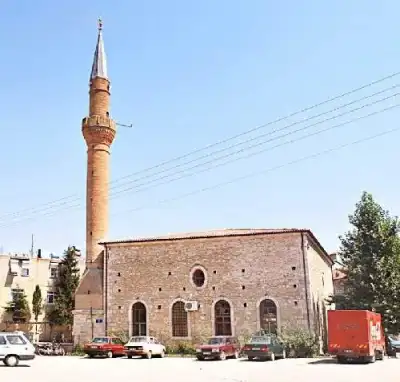
Kırıkminare Camii, Isparta'nın Atabey ilçesinde bulunan, 13. Yüzyıl Selçuklu döneminden kesme taş sekizgen kaideli minaresiyle tanınan ve 1402'de Timur istilasında hasar gören tarihi camiidir; caminin kendisi 18. Yüzyılda yeniden inşa edilmiştir.
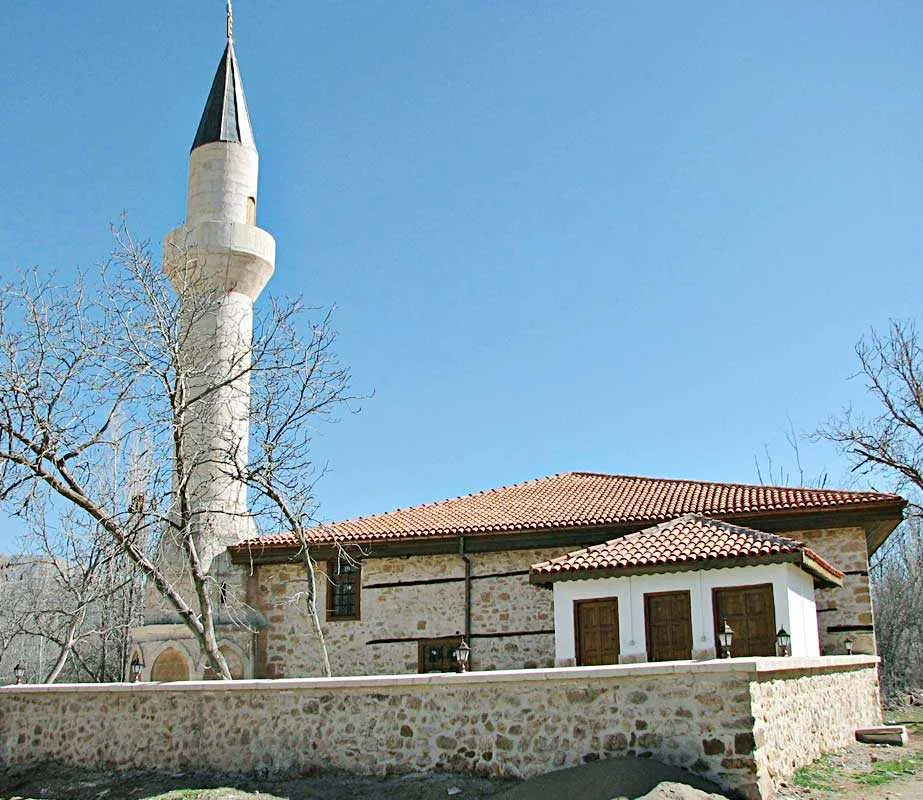
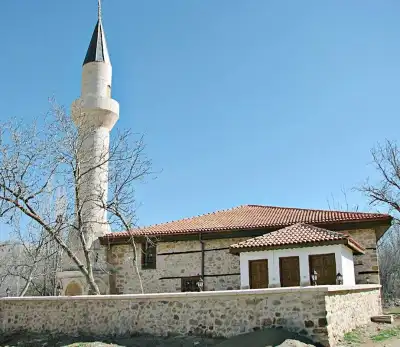
Kırıkminare Mosque truly lives up to its name: its minaret is broken after the shoe section, with the upper part of the shaft missing. This minaret, sitting on an octagonal cut stone base, dates back to the Anatolian Seljuk period, the 13th century. The base has pointed arches on five sides, transitioning to the shoe section with chamfers. It was damaged during Timur's invasion in 1402; subsequently, the minaret was never fully restored.
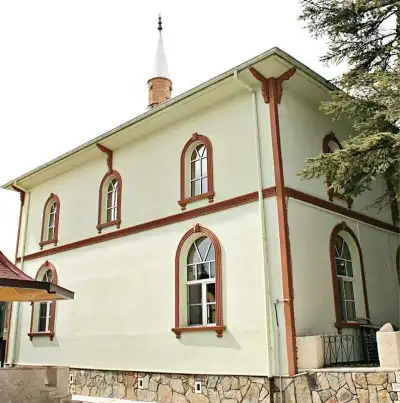
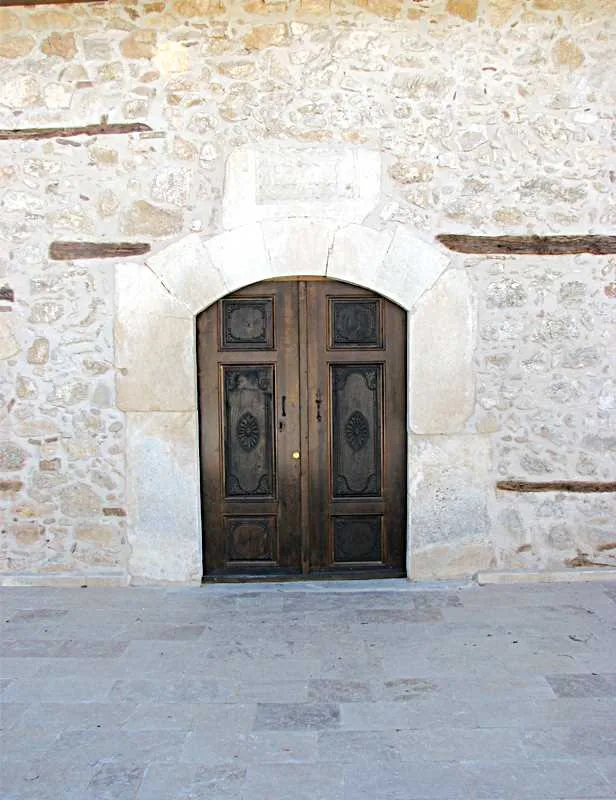
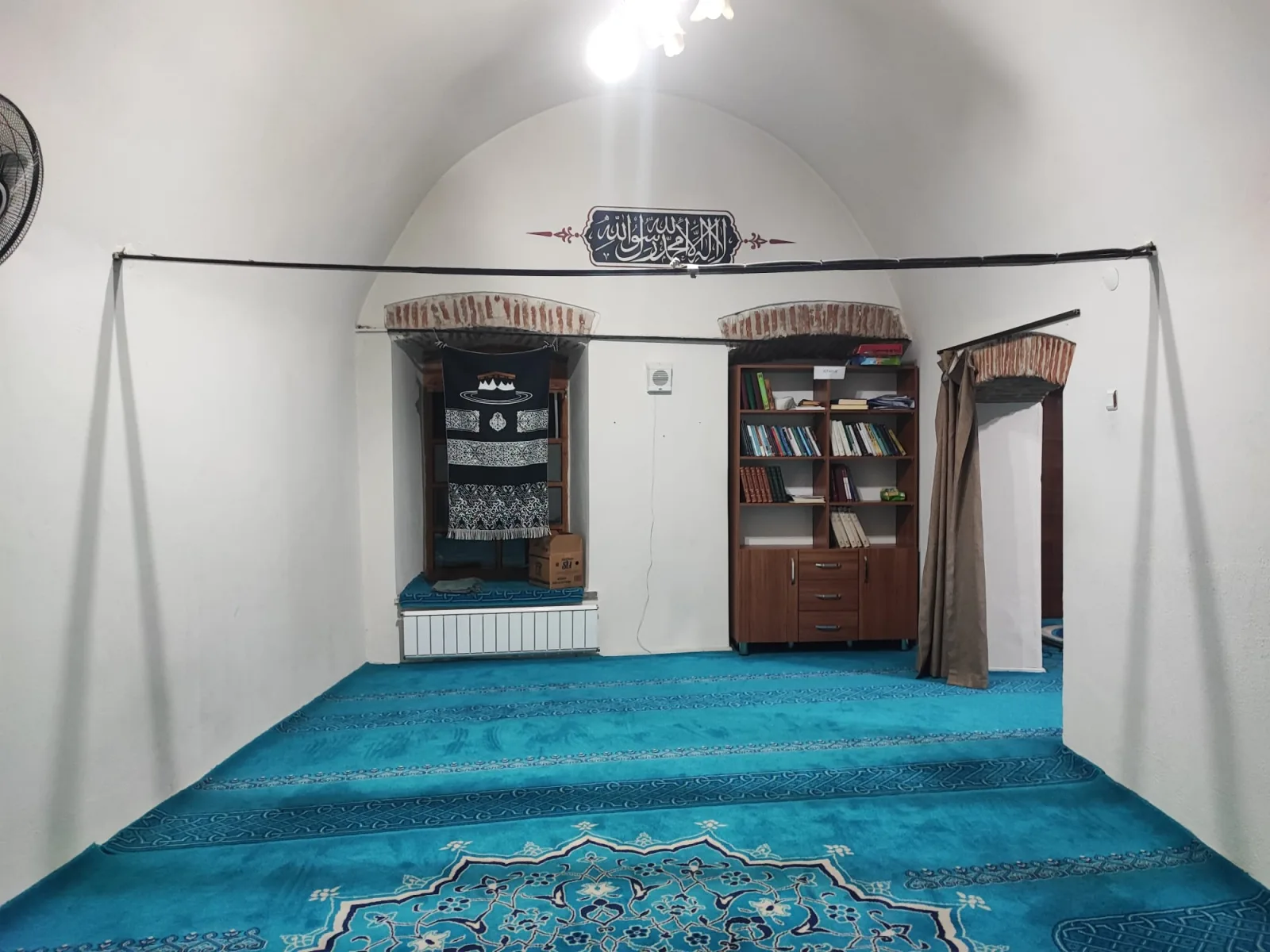
The mosque itself is a different layer: according to the date above the mihrab, it was built or repaired in 1796 (H. 1211). It is a rectangular structure with rubble stone and cut stone at the corners, featuring wide wooden eaves and a hip roof. Inside, a wooden pillar supporting the harim in the middle ends with a capital adorned with vegetal motifs, and two seven-pointed star motifs on the ceiling are noteworthy. The mihrab niche is semicircular, with vegetal decorations above it. The balustrades and conical roof of the minbar, however, have not survived to the present day and are in ruins.
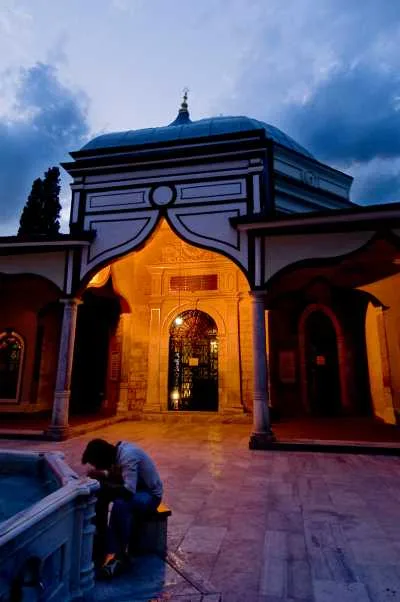
Visitors particularly appreciate the minaret's night illumination; they say the structure looks more impressive with the lighting. Some comments suggest that the mosque itself was built later as a small village mosque by the roadside, and the main historical value lies in the minaret. It underwent restoration in 2013.
Guide's Note
The story of the broken minaret
The name of the structure directly comes from its appearance: the minaret is broken after the shoe section. Built in the 13th century with an octagonal cut stone base, pointed arches on five sides, and craftsmanship unique to the Anatolian Seljuk period. It was damaged during Timur's Anatolian campaign in 1402, and its upper part was never completed after that date. Even the remaining section today is sufficient to see the stone workmanship of the period.
When to visit
Daylight is needed to see the details of the structure, especially the arch workmanship on the base. Morning or afternoon hours can be preferred. Some visitors state that the night illumination shows the minaret from a different angle; this is an option for those who want to visit at two different times.
How to get there
Travel from Isparta city center to Atabey district by car is short. The mosque is located within the borders of Onaç Neighborhood, slightly outside the residential area, among gardens. Public transport services are not frequent, so it is easier to go by your own car or taxi.
How much time to allocate
The structure is small, and a visit takes 10-15 minutes. While in the area, combining it with nearby points such as the ancient city of Seleukeia Sidera, Küp Mezarlar, or the Süleyman Demirel Democracy and Development Museum in Atabey will ensure a more productive day.
Other stops in the vicinity
There are a few points in the near vicinity: Küp Mezarlar is approximately 5 km northeast, Seleukeia Sidera Ruins and Süleyman Demirel Democracy and Development Museum are about 7 km northwest. If you are going to Eğirdir, Hızır Bey Mosque and its castle can also be added to the same day's itinerary, but Eğirdir is a bit further away.
Good angles for photography
Photographing the broken upper part of the minaret against the sky is the most preferred shot. The pointed arches and chamfered transition on the base are clearer in close-up shots. When the night illumination is on, the minaret gains a different texture; those who visit at this time get a different photograph.
Things to pay attention to
The structure is partially ruined, the upper part of the minaret is already broken. Since the mosque may be open for active worship, it is necessary to behave respectfully when entering the interior and to observe prayer times. Due to its roadside location, parking is generally not an issue for those arriving by car.
This content originates from neresigezilir.com.tr and may not be copied without permission.
Kırıkminare Mosque (Friday Mosque) Videos
Kırıkminare Mosque (Friday Mosque) videos load when you open this section to keep the page fast.
Show videos
FAQ
Updated: