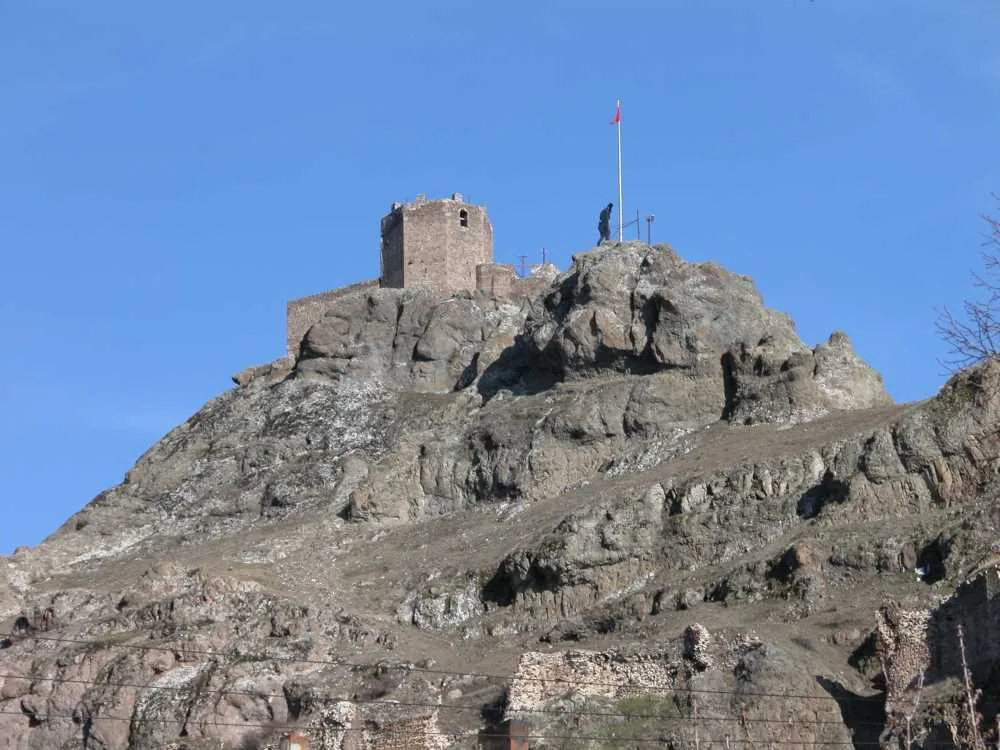
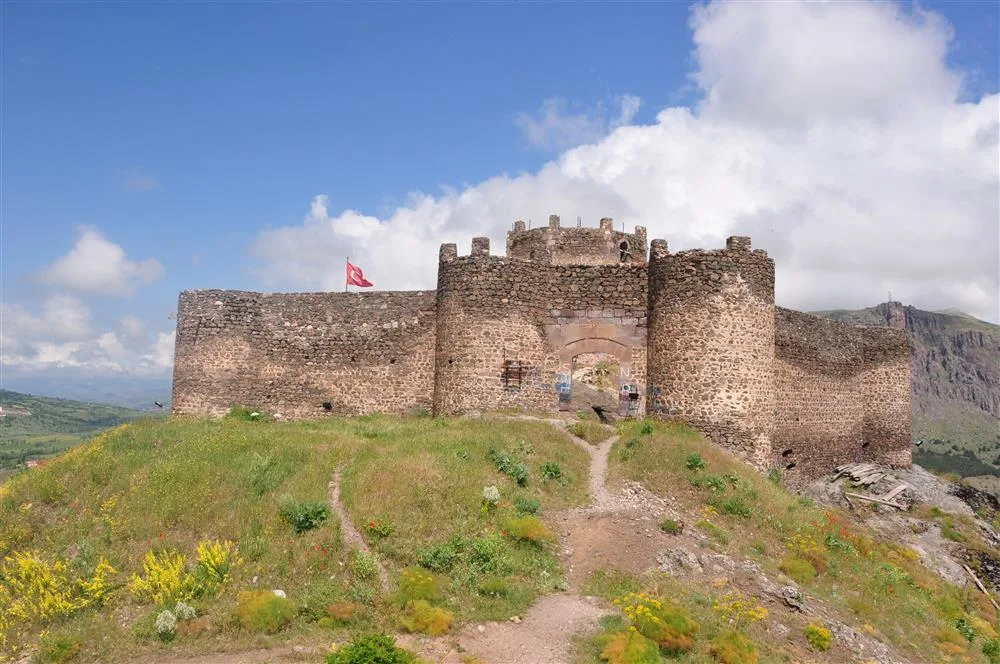
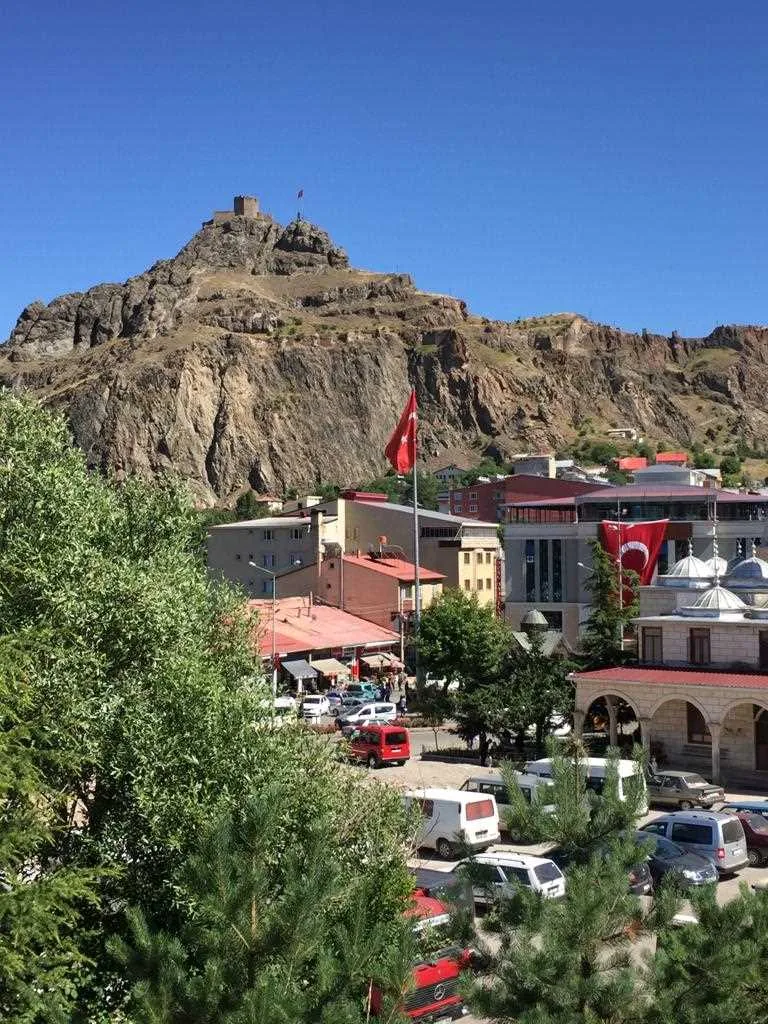
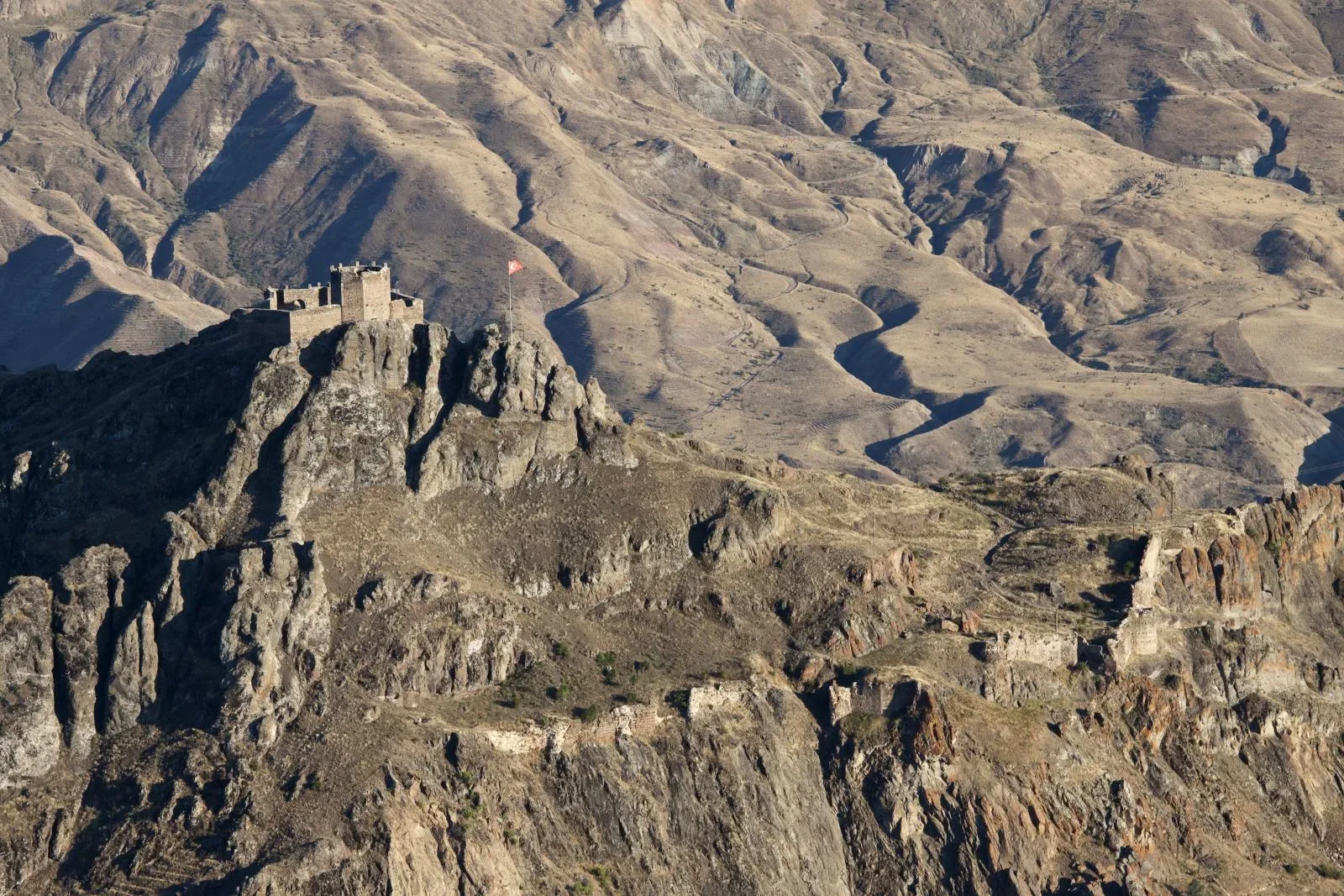
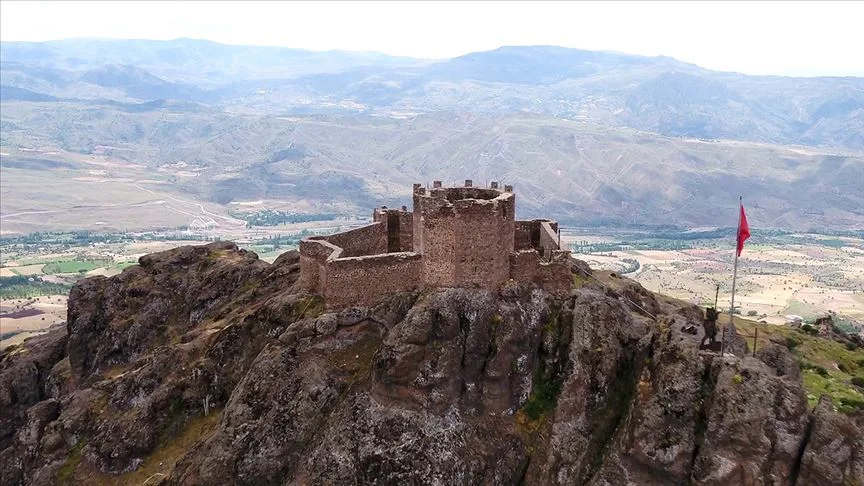
Şebinkarahisar Castle, located on Hacı Kayası hill in Giresun, is a historical castle known for its pre-Roman foundations and walls rebuilt during the Mengujek-Seljuk period; admission is free and it offers a view of the Kelkit Valley from its summit.
Şebinkarahisar Castle is built on top of Hacı Kayası, which surrounds the south of the district center. Its exact construction date is unknown due to the lack of an inscription, but academic sources state that the first settlement dates back to pre-Roman times. A large part of the walls was rebuilt during the Mengujek period; it is known that the Mengujek ruler Fahrettin Behramşah made significant additions to the castle in 1184. The current entrance gate and its surrounding fortifications belong to the Seljuk and Ottoman periods.
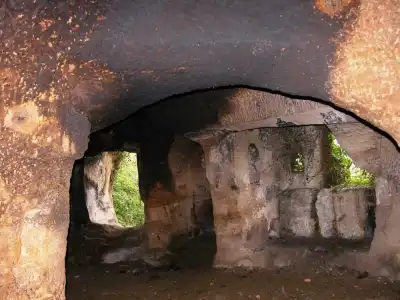
The pointed arched entrance, known as the Seljuk Gate, stands out with its semi-circular towers on both sides. The castle consists of two sections: inner and outer. A few meters beyond this gate, there is a remnant of a second Byzantine-era gate, which was later walled up. The large oval-shaped bastion in the northwest of the outer castle is known as "Kızlar Kalesi" (Maiden's Castle). Inside, there are numerous rock-cut cisterns; the most notable of these is the water tunnel called "Kırk Badal." Evliya Çelebi, in his Seyahatname, mentions about seventy houses, grain silos, and the Kk Fatih Mosque within the castle, but most of these structures were damaged during the 1915 Armenian uprising.
Visitor comments frequently mention that access to the castle by vehicle is possible up to a certain point, followed by a 10-20 minute walk. The path is not steep, but rather horizontal; however, some stairs within the walls can be dizzying, so those uncomfortable with heights should be careful. There are also comments stating that the rocks become slippery in rainy weather. For the view from the summit, it is recommended, especially for those who want to see the castle silhouette bathed in golden light at sunset.
Guide's Note
Best Time to Visit
Since climbing to the castle involves a rocky and sometimes steep walk, weather conditions are important. Visitor comments emphasize that the ground becomes slippery on rainy days, and caution is needed as you walk close to cliff edges in some sections. The period from late spring to early autumn is considered more suitable for dry ground and clear skies. In winter, the risk of snow and ice can make the climb difficult.
How to Get There
From Giresun city center to Şebinkarahisar is approximately 109 km by road. After reaching Şebinkarahisar by your own vehicle or inter-district buses, you can drive up to a certain point at the foot of the castle. There is no sign for the parking lot, so asking a local will make your job easier. From here, it's a walk: the path is not steep, but rather horizontal, but the distance can take longer than expected.
How Much Time to Allocate
A castle tour, including the walk, usually takes 1-1.5 hours. This time is sufficient to visit the cisterns within the walls, the Seljuk Gate, and the Maiden's Castle bastion, and to enjoy the view from the summit. If you plan to see other points in Şebinkarahisar (such as the Meryem Ana Monastery), plan your day accordingly.
Things to Pay Attention To
The castle is generally in a neglected state; there are unguarded cliff edges and areas with puddles, which can pose a risk for absent-minded walkers. The narrow stairs within the walls can cause dizziness, so visitors who are afraid of heights should be cautious in these sections. Wearing sturdy shoes and postponing the climb on rainy days is recommended.
Photography Spots
From the summit of the castle, the Kelkit Valley and Şebinkarahisar district can be seen from a wide angle. Visitors particularly note that the castle takes on a golden yellow hue from the outside near sunset; this time slot is prominent for those who want to take long-distance shots. The towers of the Seljuk Gate and the Kırk Badal water tunnel are also striking photo spots within the castle.
Historical Layers of the Castle
The castle is not the work of a single period; it is a layered structure bearing the traces of different civilizations. Its initial establishment dates back to pre-Roman times, it was repaired during the Byzantine period, and took its main form during the Mengujek era. Fahrettin Behramşah's additions in 1184 largely determined the castle's current scale. During the Seljuk and Ottoman periods, the gate and walls were reorganized, but in 1896, the inscription and double-headed eagle relief above the gate were destroyed. In the 1915 Armenian uprising, structures such as houses and mosques within the castle were severely damaged; today, mainly the outer and inner castle walls, towers, and cisterns remain standing.
This content originates from neresigezilir.com.tr and may not be copied without permission.
Şebinkarahisar Castle Videos
Şebinkarahisar Castle videos load when you open this section to keep the page fast.
Show videos
FAQ
Updated: