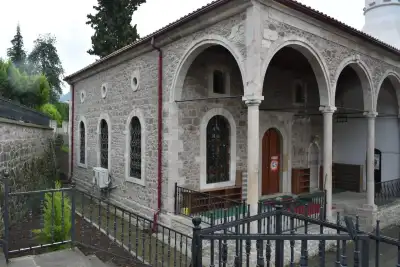
Camoluk Bektasbey Cami is a 19th-century mosque in Sarpkaya Village, Giresun, built with cut stone walls and wooden ceiling decorated with root dye, still actively used for worship and protected since 2015.
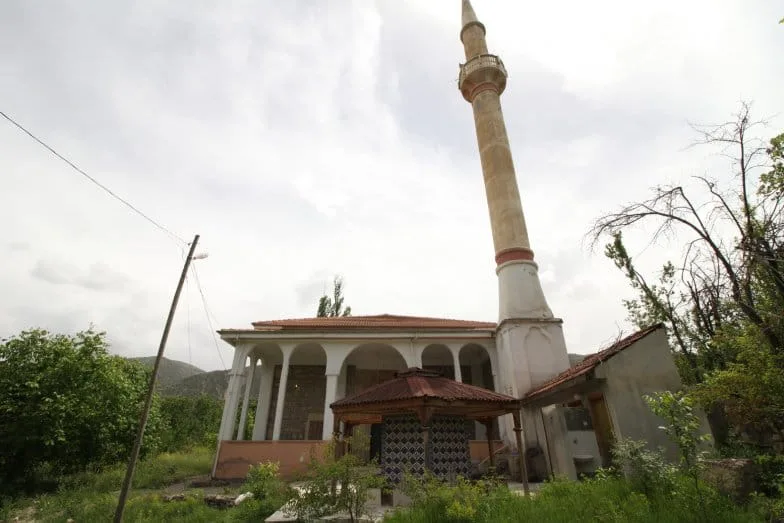
Bektasbey Cami stands in Sarpkaya Village, which is part of Camoluk. It is said to have been built approximately 200 years ago by Bektas Bey, who was sent to the region by the Trabzon Bey during the Kelkit Valley Beylic period. Some sources trace the mosque's origins to the 19th century, while others date it further back. What is certain is that the structure was registered and placed under protection by the Ministry of Culture and Tourism's Immovable Cultural and Natural Heritage Supreme Board in 2015.
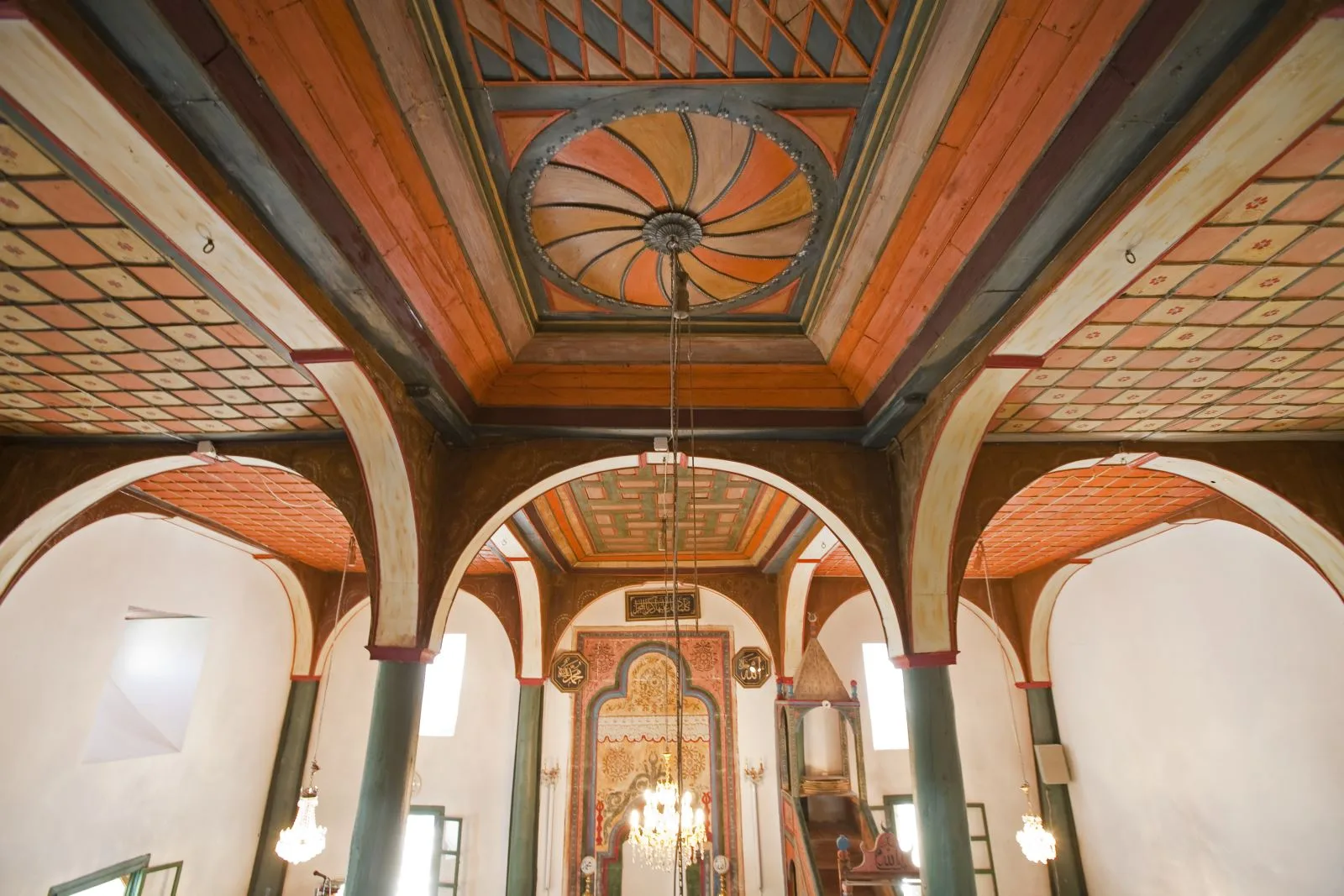
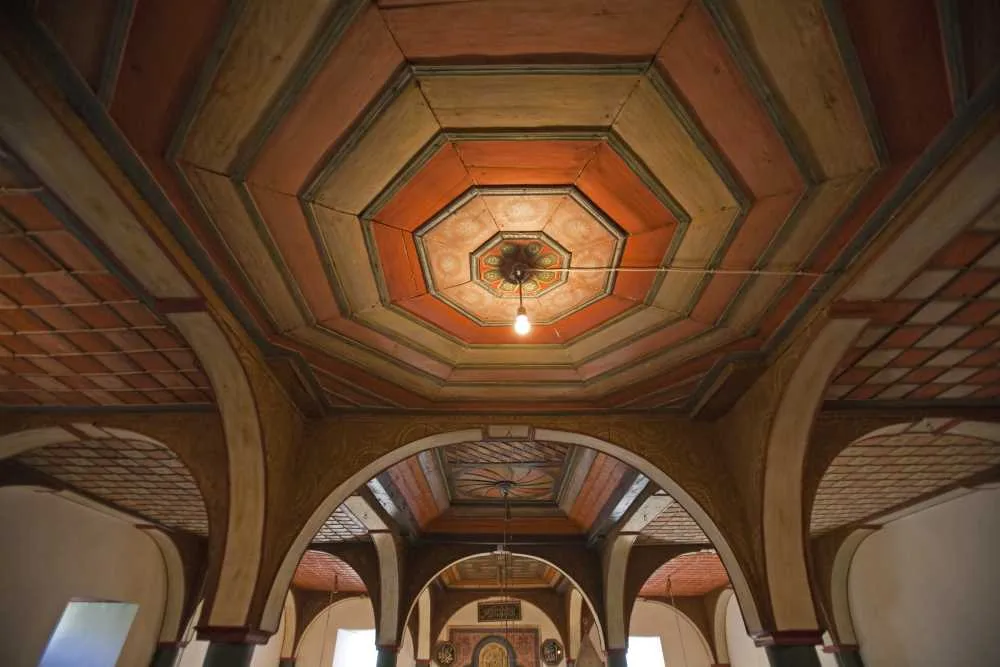
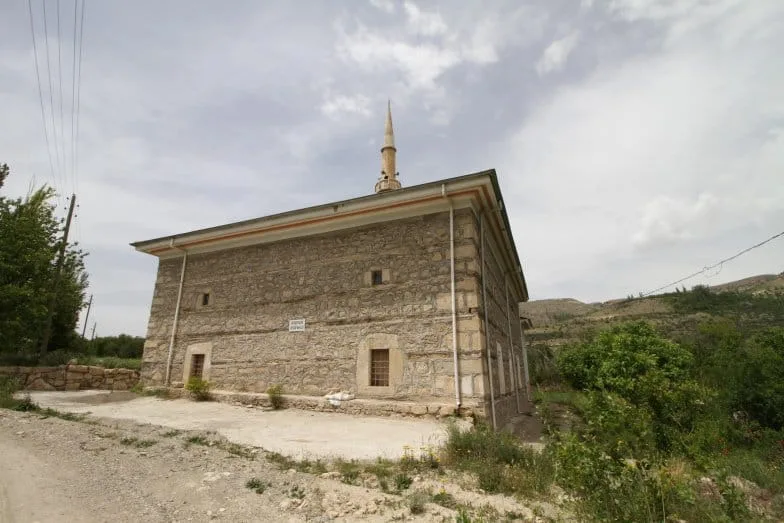
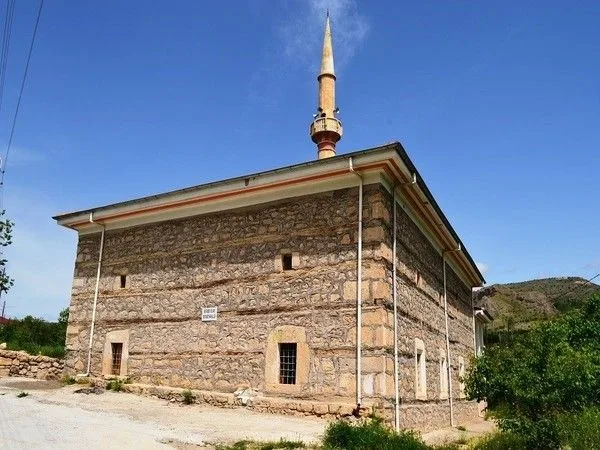
Its walls are cut stone, and its ceiling is wooden. Root dye was used in the decorations, which adds a unique texture to the interior space. The roof was later covered with metal sheet to protect it from seasonal damage: the original wooden ceiling remains intact, with only an additional protective layer added on top. The mosque is still open for worship and is used by village residents.
Among the religious structures in this corner of the Kelkit basin, it is one of the outstanding examples with its wooden craftsmanship. Seeing such a detailed structure on this scale in a small settlement like Sarpkaya provides concrete insight into the Ottoman-era village architecture of the region.
Guide's Note
About Bektasbey Cami
The mosque takes its name from Bektas Bey, who was sent to the Kelkit basin by the Trabzon Bey and served as a beylik ruler in the region. There are minor differences among sources regarding the construction date. While some studies state that the mosque was built in the 19th century, local narratives speak of a history approximately 200 years old. It was officially registered and placed under protection in 2015.
Architecture and Decorations
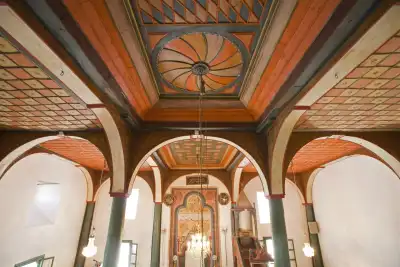
The walls of the structure are built with cut stone, and wooden beams were used for static reinforcement in the body walls. The ceiling is entirely finished with wooden craftsmanship, with root dye used in the decorations. This gives the mosque's interior space a warm, distinctive color. Since the original roof was affected by seasonal conditions over time, it was covered with metal sheet for protection, but the wooden ceiling craftsmanship remains intact.
How to Get There
An approximately 20-kilometer asphalt road heading westward from Camoluk district center leads to Sarpkaya Village. The road is safe but has a mountain road character; careful driving is necessary in winter months. Besides private vehicles, public transportation options are limited. Before going to the village, confirm minibus schedules from Camoluk.
Best Time to Visit
Considering the rural road structure of the Kelkit basin, late spring and summer months are a more comfortable period for visiting. In winter months, snow and icing can be seen in the region, which can make the 20-kilometer village road more difficult.
Things to Consider When Visiting
The mosque is still actively open for worship, so visiting outside prayer times is more appropriate. Removing shoes when entering the interior and behaving quietly is a general courtesy rule expected in village mosques. When taking photographs, be careful not to disturb the congregation or those worshipping.
Other Stops Nearby
Camoluk and its surroundings are suitable for creating a small route for those interested in village mosques and rural texture in the inner parts of Giresun. After coming to Sarpkaya Village, visiting other nearby villages and viewing the general landscape of Kelkit Valley will make your day more fulfilling.
This content originates from neresigezilir.com.tr and may not be copied without permission.
Çamoluk Bektaşbey Mosque Videos
Çamoluk Bektaşbey Mosque videos load when you open this section to keep the page fast.
Show videos
FAQ

Updated: