Canakkale Places to Visit
Çanakkale, located in the northwest of Turkey, on the shores of the Çanakkale Strait that separates the continents of Anatolia and Europe, is one of the cities that bears the deepest traces of history. This ancient city,…
When to Visit Çanakkale?
Çanakkale can be visited in any season of the year; however, each period has its own advantages and disadvantages. The spring months between April and June stand out as the most ideal period to visit the city. Temperatures are mild, crowds have not yet reached their peak, and the Gallipoli Peninsula is covered in every shade of green. Especially for the March 18 Çanakkale Victory and April 25 Anzac Day ceremonies, the city experiences a heavy influx of visitors; you should make your accommodation reservations well in advance for these dates.
In July and August, the beaches of Bozcaada and Gökçeada are overflowing, and the city center becomes lively. While the summer period is attractive for those who want to combine a sea holiday with historical exploration, temperatures and crowds should be taken into consideration. September and October offer an almost perfect transition period, where the sea is still warm and holiday crowds have diminished. In winter months, the city calms down, and prices drop; however, keep in mind that ferry services to Bozcaada and Gökçeada may decrease.
How to Get to Çanakkale?
The most common way to reach Çanakkale is by road. You can reach the city by a bus journey of approximately 4-5 hours from Istanbul; many bus companies operate regular services from major cities of Turkey, especially Istanbul. From Izmir, it takes about 3.5-4 hours by bus.
The city does not have its own airport. The nearest airports are Istanbul Airport and Balıkesir Koca Seyit Airport. From these airports, road connections are used. For those arriving by sea, ferry services are available between Eceabat-Çanakkale and Kilitbahir-Çanakkale; this provides great convenience for those coming from the Gallipoli Peninsula side. Additionally, ferry services are also organized from Kepez Port to the island of Limnos in Greece.
City Transportation
Çanakkale city center has a very compact structure, so it is possible to explore it on foot. Central points such as the Promenade, Aynalı Çarşı, Clock Tower, and Naval Museum are located close to each other. City dolmus (shared taxi) and bus lines are also available.
To reach the Ancient City of Troy, you can use the Tevfikiye Village buses departing from the Cuma Pazarı (Friday Market) parking lot, or opt for taxi and car rental options. For those who want to visit the Gallipoli Peninsula, daily tours organized by tour companies offer a very practical solution; as the peninsula is spread over a large area and it is difficult to visit by public transport. Bozcaada and Gökçeada are reached by ferries departing from the Çanakkale central pier.
Places to Visit
Ancient City of Troy and Troy Museum: The remains of the legendary city, which was the subject of Homer's Iliad epic, are located approximately 30 kilometers from Çanakkale city center. The Troy Museum, a modern structure opened in 2018, presents artifacts unearthed from excavations with an impressive exhibition concept. You can benefit from the MuseumCard advantage upon entry to the museum.
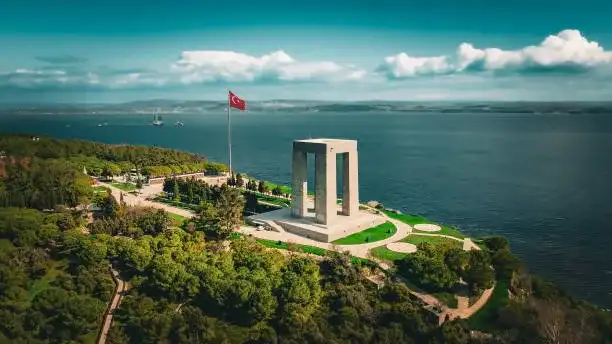
Gallipoli Peninsula National Park and Martyrs' Memorials: These lands, where one of the bloodiest fronts of World War I took place, hold deep meaning for both Turks and Anzac soldiers. Entry to the martyrs' memorial areas is free. Conkbayırı, Lone Pine, Chunuk Bair, and Kabatepe Museum are among the main points of visit.
Bozcaada: Bozcaada, Turkey's third-largest island, offers a completely different atmosphere with its stone houses, vineyards, windmills, and clear sea. The island's own production wines are also particularly famous.
Çanakkale Promenade and Clock Tower: Taking an evening stroll along the promenade, considered the heart of the city, watching the strait, and sitting in cafes and restaurants are indispensable parts of the Çanakkale experience. The Clock Tower, built in 1897, is one of the city's symbols.
Aynalı Çarşı (Mirror Bazaar): The historical bazaar is an ideal stop for those looking for souvenirs, local products, and handicrafts. The bazaar's unique architectural texture is also worth seeing.
Kaz Mountains: Mount Ida, which is mentioned as the home of the Gods in mythology, is now protected as Kaz Mountains National Park. It appeals to nature lovers with its hiking trails, waterfalls, and cool forests.
Ancient City of Assos: Located in the Ayvacık district of Çanakkale province, Assos offers both historical and natural beauties with its location on the Aegean coast. The ancient theater and the ruins of the Temple of Athena attract visitors' attention.
Where to Stay?
Accommodation options in Çanakkale span a wide range. The city center is the most practical accommodation area due to its proximity to all attractions and ease of transportation. Around the promenade, you can find boutique hotels, guesthouses, and mid-range to chain hotels.
For those seeking a quieter accommodation intertwined with nature, small boutique hotels and village guesthouses in the foothills of the Kaz Mountains offer an attractive alternative. In Bozcaada and Gökçeada, there are various options ranging from stone house guesthouses to modern holiday villages; however, it is recommended to make your reservations early, keeping in mind that accommodation on these islands fills up quickly during the summer season. Around March 18 and April 25, occupancy rates throughout the region peak.
What to Eat, Where to Eat?
Çanakkale cuisine offers a rich table where Aegean and Marmara flavors meet. Fresh seafood takes the lead; options such as anchovies, sea bass, sea bream, and mussels are served fresh in the fish restaurants along the promenade. Ezine cheese is one of the most recognized flavors of the region; this white cheese made from sheep's milk is also popular throughout Turkey.
The Aegean culinary approach, prepared with olive oil appetizers, fresh herbs, and local vegetables, makes its presence felt on Çanakkale tables. Bozcaada wines are produced from the island's vineyards and can be found both on the island and in some restaurants in Çanakkale city center. Small restaurants and breakfast places around Aynalı Çarşı also offer good options for the first meal of the day. In the evenings, restaurants on the promenade are preferred for both delicious food and strait views.
Budget Planning
Çanakkale stands out as a more affordable destination compared to major tourism centers like Istanbul or Bodrum. Entry to the Martyrs' Memorial areas is free. An entrance fee is charged for the Ancient City of Troy and the Troy Museum, and MuseumCard holders can benefit from discounts; Turkish citizens over 65 and children under a certain age can enter for free.
Your accommodation budget varies significantly depending on your preference for the city center, a boutique hotel, or an island guesthouse. Regarding food, restaurants along the promenade are in the mid-to-upper price range, while small restaurants and pide (flatbread) shops in the city are quite affordable. It is recommended to check current ferry schedules for Bozcaada and Gökçeada in advance. Renting a car for transportation, especially for those planning to visit large areas like the Gallipoli Peninsula and Kaz Mountains, can be both a comfortable and cost-effective option.
Culture and History
Çanakkale is virtually an open-air museum with its layers of history piled one upon another. Troy is considered the place where the legendary Trojan War, described in Homer's Iliad epic, took place and is on the UNESCO World Heritage List. Nine different settlement layers built on top of each other have been identified in the excavations.
The Gallipoli Peninsula, on the other hand, bears the traces of the Çanakkale Battles that took place in 1915. These battles played a critical role in shaping Turkish national identity and also gained a deep place in the national consciousness of Australia and New Zealand. Every year on April 25, Anzac Day, thousands of Australians and New Zealanders come to Gallipoli to attend the dawn ceremony. The March 18 Çanakkale Victory is commemorated with official ceremonies throughout Turkey. Visiting the city with an awareness of this history and its meaning makes the experience much more layered and meaningful.
This content originates from neresigezilir.com.tr and may not be copied without permission.
Places to Visit

Çanakkale Martyrs' Memorial
A four-legged monument, 41.7 meters high, located on Hisarlık Hill in Eceabat. It commemorat…

Aynalı Bazaar
The bazaar dating back to 1889, which gave its name to the Çanakkale folk song. A short stre…

Ancient City of Assos
An ancient city established on an extinct volcanic hill in Behramkale. Located in Ayvacık di…

Kilitbahir Castle Museum
The triangular-planned castle, built by Fatih Sultan Mehmed in 1463, has been transformed in…

Çanakkale Troy Museum
A museum at the entrance of the ancient city of Troy, narrating 5,000 years of regional hist…

57th Infantry Regiment Martyrs' Memorial
A martyrs' memorial and monument built in memory of the 57th Regiment, which received Mustaf…

Conkbayırı Atatürk Victory Monument
The hill where Anafartalar Group Commander Colonel Mustafa Kemal led the bayonet charge on A…

Çimenlik Castle
Built by Fatih Sultan Mehmet in 1461-62, the castle is located at the narrowest point of the…

Gallipoli Historical Site of Çanakkale Wars
An open-air museum spanning 33,444 hectares, housing 50 Turkish martyrs' cemeteries, 34 fore…

Bozcaada Castle
The first structure visible when approaching the island by ferry: Bozcaada Castle, with laye…

Çanakkale 1915 Red Crescent Hospital Revitalization Area
An open-air museum in Alçıtepe, Eceabat, that recreates a Red Crescent hospital behind the f…

Alexandria Troas Ancient City
A giant port city named after Alexander the Great, near Dalyan village in Ezine. Known as th…

Apollon Smintheus Sanctuary (Smintheion)
An Ionian-style temple built around 150 BC in Gülpınar, Çanakkale. It stands out as the only…

Gökçeada Greek Villages
Zeytinli, Tepeköy, Kaleköy, Dereköy, and Eski Bademli — Gökçeada's five Greek villages with …

Çanakkale Epic Presentation Center
A war museum buried underground near Kabatepe in Eceabat. Çanakkale War scenes are reenacted…

Gökçeada
Gökçeada, Turkey's largest island, is a district of Çanakkale with a 91 km coastline, olive …

Troy Ancient City
Troy, located 30 km south of Çanakkale, within the borders of Tevfikiye village, is the anci…

Gelibolu Mevlevi Lodge
Ağazade Dervish Lodge, founded in the 17th century by the sea in Hamzakoy, boasts the larges…

Çanakkale City Museum and Archive
A small city museum operating since 2009 in a two-story historic building on Fetvane Street,…

Çanakkale Naval Museum
A military museum located within Çimenlik Castle, housing the Nusret Mine Ship and the S-338…

Mount Ida (Kaz Daı)
Mount Ida (Kaz Daları), on the border of Çanakkale and Balıkesir, is a nature route in the N…

Parion Ancient City
Parion, located within the borders of Kemer Village in Biga, is one of the lesser-known anci…

Bozcaada (Tenedos)
One of two Turkish islands in the Aegean: stone streets, Genoese Castle, vineyards, and Ayaz…

Namazgah Bastion Museum
Namazgah Bastion, built at the narrowest point of the Dardanelles in Kilitbahir, is the firs…