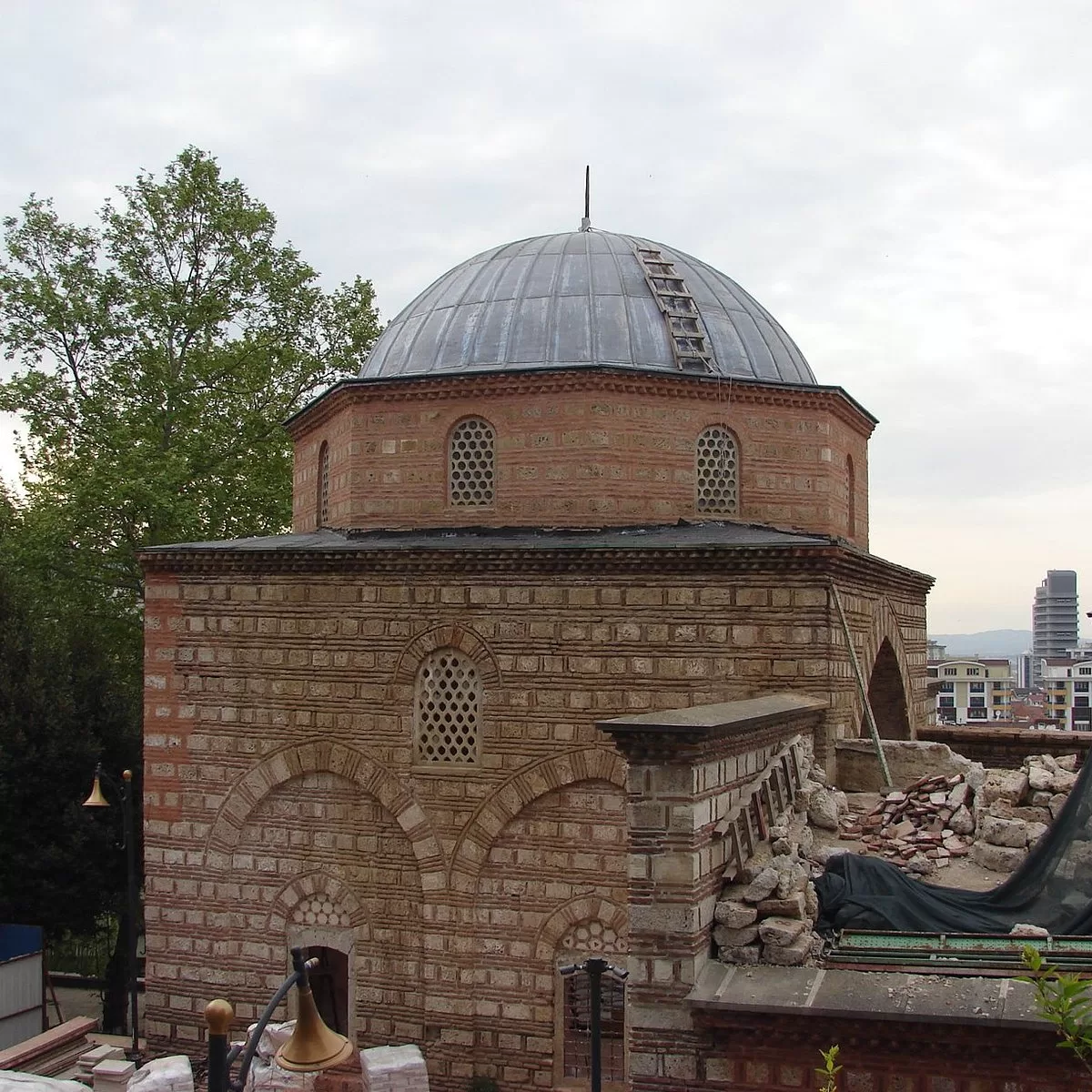
The Tomb of Yıldırım Bayezid, located within the complex in Bursa's Yıldırım district, was built by Emir Süleyman in 1406 and is the first porticoed tomb in Ottoman architecture; it contains the sarcophagi of Yıldırım Bayezid and his sons İsa Çelebi and Musa Çelebi.
The Tomb of Yıldırım Bayezid stands in the courtyard of the complex bearing the same name, in Bursa's Yıldırım district. The IVth Ottoman Sultan, Yıldırım Bayezid, was defeated by Timur in the Battle of Ankara in 1402 and died the same year. His body was brought to Bursa and buried in this tomb. The tomb was built by Bayezid's son, Emir Süleyman, in 1406.
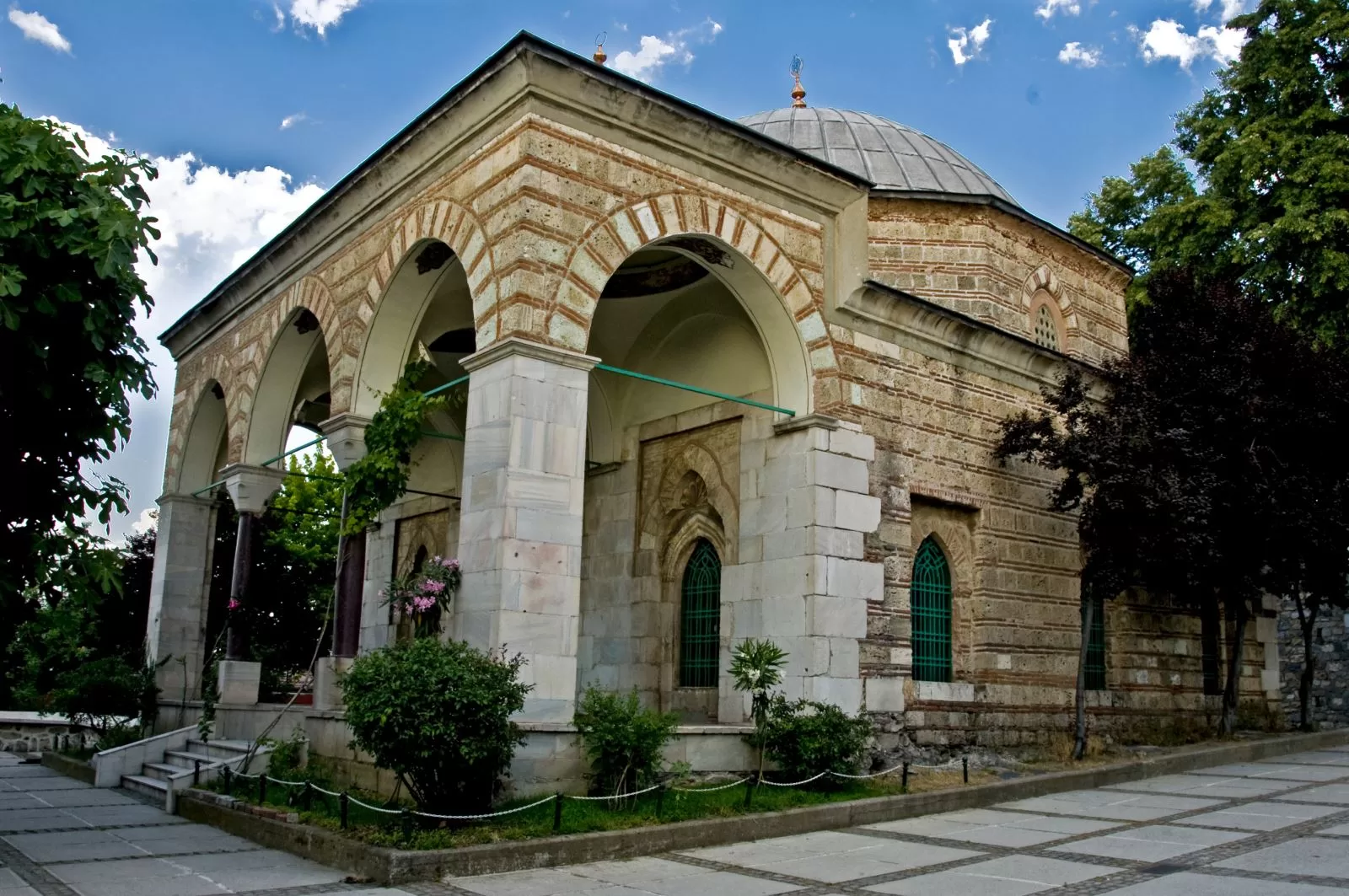
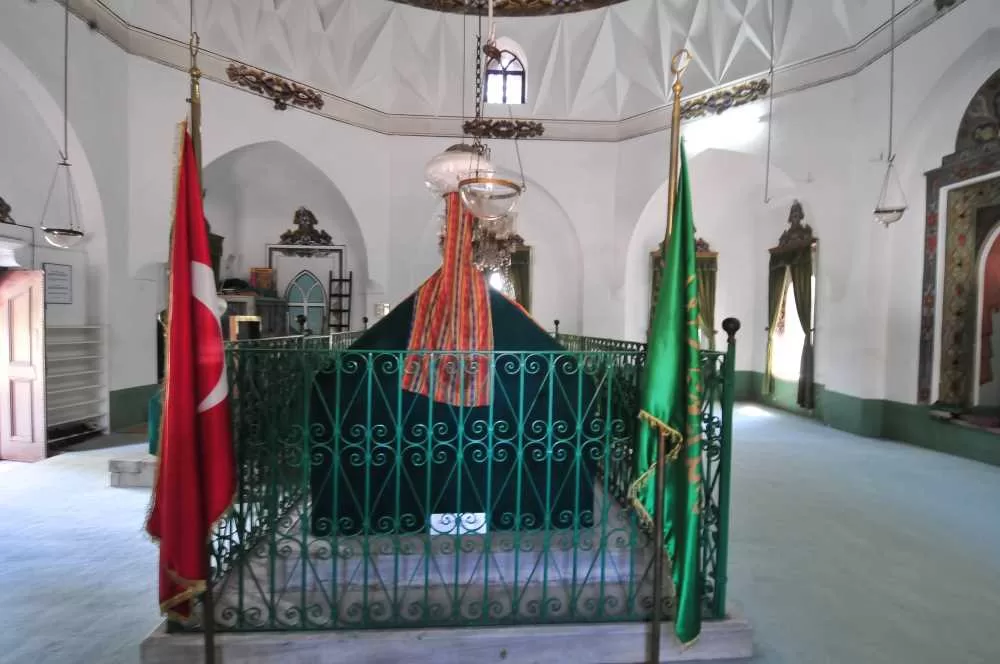
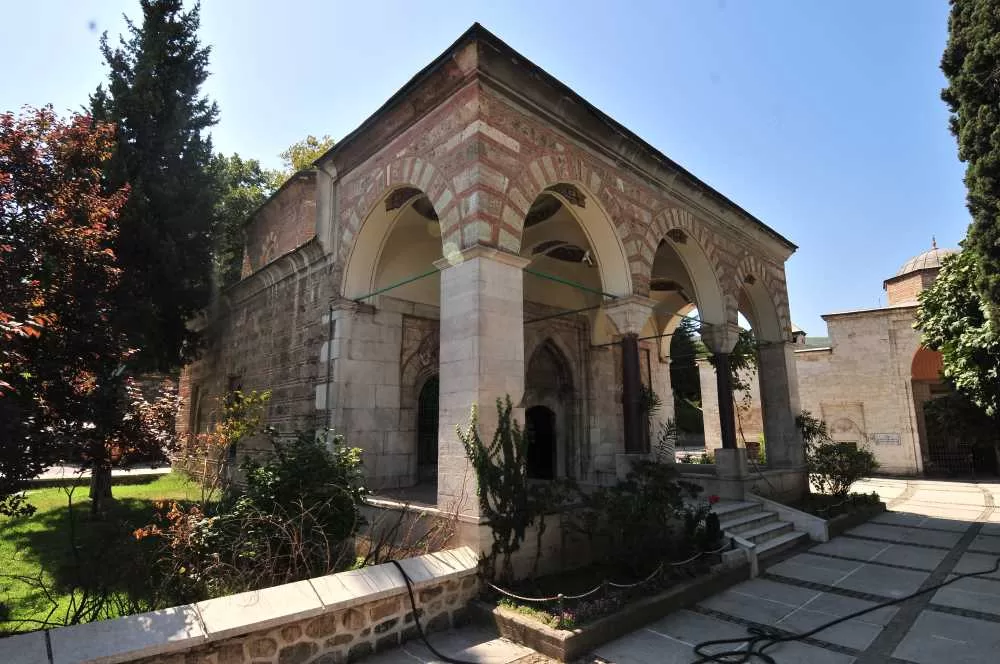
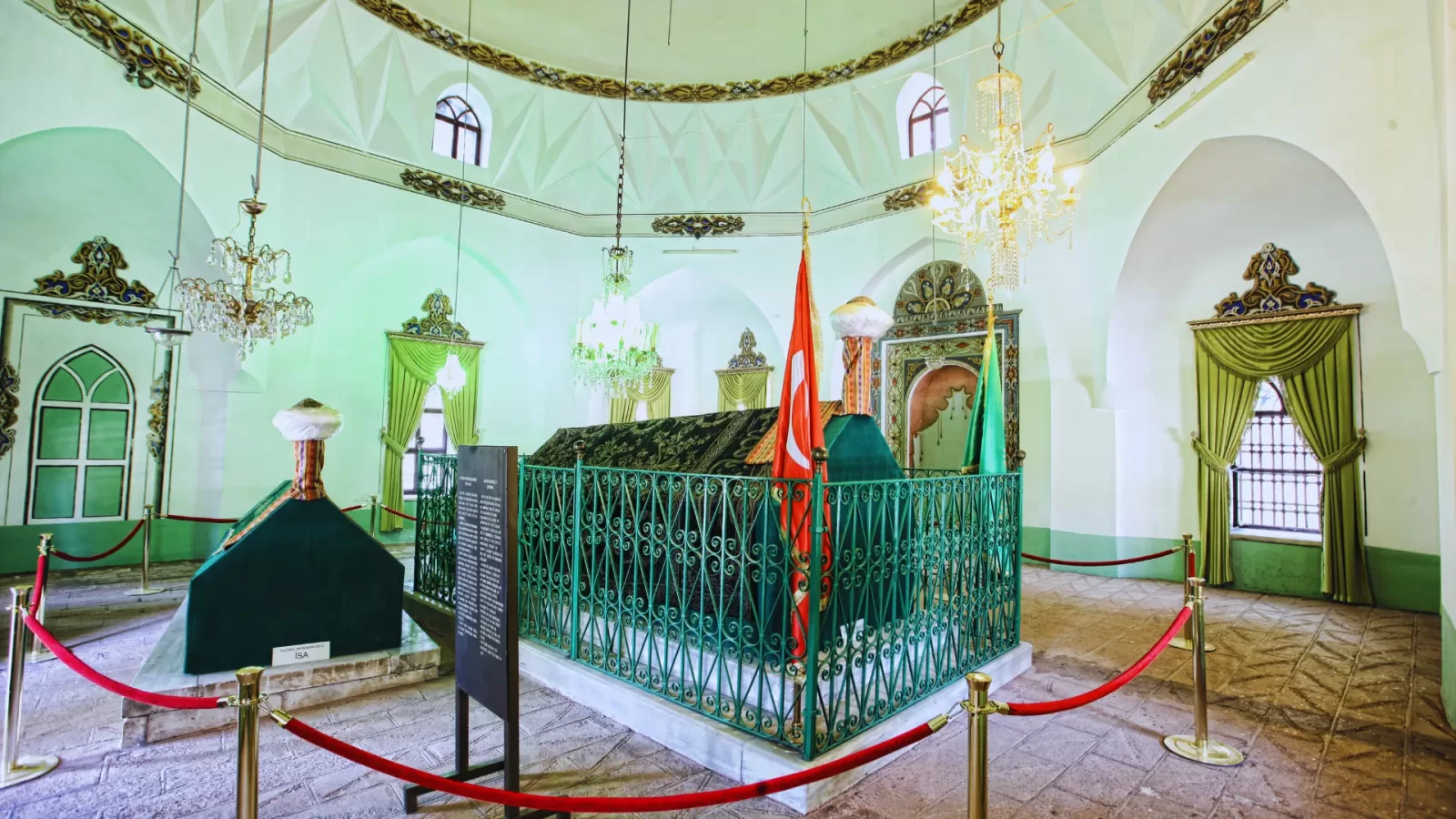
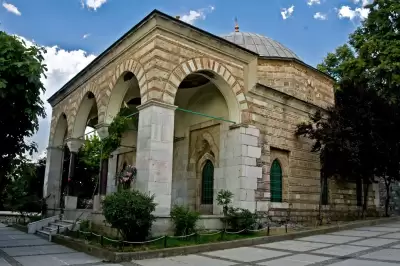
The square-planned structure, covered with a dome, and its porticoed entrance covered by three small domes, has gone down in history as the first porticoed tomb in Ottoman architecture. The decorations seen in the mihrab, window pediments, and dome reflect the elegant craftsmanship of the early Ottoman period. The tomb underwent repairs in 1618 and 1640. Inside, in the center, is the sarcophagus of Yıldırım Bayezid, to his right that of his son İsa Çelebi, and to his left, the sarcophagi of two women whose identities are not definitively determined, along with that of Musa Çelebi; there are a total of five sarcophagi.
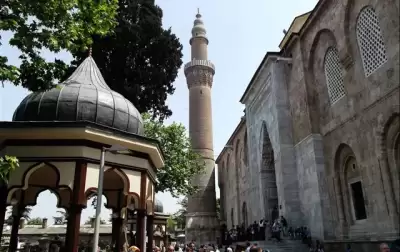
The tomb is an integral part of the complex, which consists of the Yıldırım Mosque, madrasah, darüşşifa (hospital), and imaret (soup kitchen). A pool is located in the center of the complex courtyard. The architectural ensemble is considered one of the most important examples of early Ottoman architectural understanding in Bursa and continues to attract visitors for both faith tourism and architectural history.
Guide's Note
The vast majority of visitors to Bursa consider this tomb one of the city's must-see attractions. The simple and elegant architecture of the structure, along with the peaceful atmosphere it evokes, leaves a positive impression. The mosque next to the tomb also stands out as an area particularly appreciated by visitors.
For those interested in its historical aspect, the tomb was built in 1406 for Yıldırım Bayezid, the fourth Ottoman Sultan, by his son Süleyman Çelebi. The square-planned structure features a portico section covered by three small domes at its front, making it the first porticoed tomb of the Ottoman period. Inside, in addition to Yıldırım Bayezid's sarcophagus, there are also sarcophagi belonging to his son İsa Çelebi and some unidentified individuals.
While visitor comments are generally positive, there is one notable point, albeit few:
- Discomfort inside the tomb: At least one visitor reported being disturbed by individuals inside the tomb. It is advisable to be cautious about this during your visit.
When to Visit?
You can visit the tomb throughout the year; however, spring and autumn are the most enjoyable periods. During these seasons, the complex courtyard and surrounding greenery are very suitable for both taking photos and exploring in a calm atmosphere. Bursa can be quite hot in summer; visiting in the early morning, preferably between 09:00-11:00, makes the visit much more comfortable. Since the mosque might be crowded during Friday prayer times, it is beneficial to plan your tomb visit accordingly.
How to Get There?
The tomb is located in the Yıldırım Complex, in Bursa's Yıldırım district. You can reach Yıldırım from Bursa city center by municipal bus lines 23/A, 24/D, 30, and 31/A. Get off at the Yıldırım Mosque stop and you will reach the tomb after a short walk of a few minutes. For those arriving by private car, there is limited parking available around the complex. It is also easily accessible by taxi from different parts of Bursa.
What to Eat Nearby?
Although Yıldırım district is a bit far from Bursa's central tourist areas, you can enjoy Bursa cuisine at the local restaurants nearby. While İskender kebab is the symbol of Bursa, you can also find pide, meatballs, and home-cooked meals in the small artisan restaurants around Yıldırım. After visiting the complex, heading to Bursa city center for lunch at the long-established restaurants around the historical Grand Bazaar is also a good option.
Suggested Itinerary
Visiting the Yıldırım Tomb not alone, but together with the entire complex, offers a much more fulfilling experience. Start with the Yıldırım Mosque in the morning, then visit the tomb, madrasah, and darüşşifa. In the afternoon, head to Bursa city center to visit the Green Tomb and Green Mosque, and from there, the Grand Mosque. This way, you will comprehensively see Bursa's early Ottoman heritage in a single day. If you are interested in history, you might also consider visiting the Bursa Museum in the late afternoon.
Photo Spots
The porticoed entrance covered by three small domes at the front of the tomb is the most striking spot for photos. Framing the porticoed facade in the morning light yields very beautiful results. You can also include the pool in the complex courtyard in your compositions. For those who want to document the sarcophagi and mihrab decorations inside as detail photos, natural light may not be sufficient, so it is recommended to go during daylight hours. The decorations on the dome drum of the tomb also offer interesting details for close-up shots.
Things to Consider Before Visiting
As the tomb is a religious site, a quiet and respectful demeanor is expected during your visit. You may need to remove your shoes when entering; therefore, choose shoes that are easy to take off and put on. If you come with exposed shoulders and knees, it would be appropriate to carry a cover with you. Be careful not to disturb other visitors when taking photos. Since some parts of the complex may be closed at different times, we recommend getting up-to-date information from the Bursa Provincial Directorate of Culture and Tourism before your visit.
Historical and Architectural Significance of the Tomb
The Tomb of Yıldırım Bayezid represents not only a sultan's grave but also a significant turning point in Ottoman architectural history. As the first porticoed tomb in Ottoman architecture, it is a structure closely examined by architectural historians and researchers. Built by Emir Süleyman in 1406, the tomb underwent repairs in 1618 and 1640. The decorations inside the dome resting on a square plan, the mihrab craftsmanship, and the ornamentation language on the window pediments directly reflect the aesthetic understanding of the early Ottoman period. In addition to Yıldırım Bayezid, the tomb contains a total of five sarcophagi belonging to his sons İsa Çelebi and Musa Çelebi, and two women whose identities are not fully known.
This content originates from neresigezilir.com.tr and may not be copied without permission.
Tomb of Yıldırım Bayezid Videos
Tomb of Yıldırım Bayezid videos load when you open this section to keep the page fast.
Show videos
FAQ

Updated: