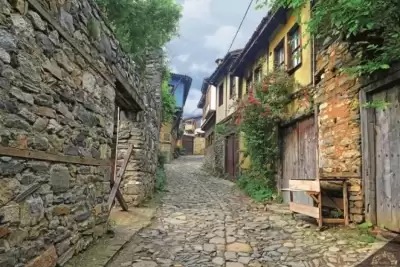
Located in the Şair Ahmet Paşa Madrasa in Bursa's Osmangazi district, the museum exhibits nearly 90 Ottoman folk costumes and over 500 silver jewelry pieces collected by folklorist Esat Uluumay. Open since 2004, the museum also hosts objects related to coffeehouse and hammam culture.
Located in the Şair Ahmet Paşa Madrasa, steeped in Bursa's historical fabric, the Uluumay Ottoman Folk Costumes and Jewelry Museum is one of Turkey's most unique private museums. The works collected by collector and folklorist Esat Uluumay over decades from all corners of Anatolia and Rumelia found a permanent home in this historic madrasa on September 18, 2004. Folk costumes, silver jewelry, bead accessories, and handicraft products from different regions of the Ottoman geography are exhibited here together.
The museum's collection is not limited to just costumes and jewelry. Objects related to Turkish coffee culture, the hammam tradition, and Ottoman horsemanship are also featured in the exhibition halls. The Ottoman tea garden in the madrasa's courtyard is a pleasant detail that completes the visit. The presence of the founder's tomb within the historic structure adds a special meaning to the place. This small but extremely rich museum is a stop often overlooked by visitors to Bursa, yet it is a must-see.
Guide's Note

This private museum, located in Bursa's Muradiye district, houses a unique collection of Ottoman-era folk costumes, jewelry, and various objects. The vast majority of visitors state that they are impressed by the originality of the exhibited works and the historical significance each one carries. The museum's ancient courtyard also adds a special value to the venue.
It is emphasized that guided tours led by the museum official significantly enrich the experience; progressing by listening to the stories of the artifacts makes the collection more meaningful. Visitors from abroad also express satisfaction with both the quality of the collection and the warm welcome from the staff. It stands out as a recommended stop to include in a Bursa trip for history enthusiasts.
However, it is worth noting some points highlighted by visitors:
- Opening hours: Despite appearing open on Google Maps, there have been instances where the museum was closed and the phone could not be reached; it is recommended to confirm current hours before visiting.
- Entrance fee: It is not always clearly stated at the entrance that the museum charges a fee; some visitors report having to turn back after learning this.
- Ticket prices: The opinion is expressed that the adult entrance fee is high compared to private museums in Istanbul; a discounted rate is available for students.
About the Museum: A Collector's Legacy
The Uluumay Ottoman Folk Costumes and Jewelry Museum is named after its founder, Esat Uluumay. Known as a folklorist and ethnographer, Uluumay gathered 18 different categories of artifacts from various corners of the Ottoman geography over the years. The idea of exhibiting this collection under a permanent roof was realized in 2004 at the Şair Ahmet Paşa Madrasa in Bursa.
The museum has four main collections: Ottoman folk costumes, Ottoman folk silver jewelry, bead accessories belonging to the Karakeçililer, and Ottoman handicrafts. In addition to these categories, objects related to Turkish coffee culture, the hammam tradition, and Ottoman horsemanship are also featured in the exhibition halls. This small but carefully arranged museum is slightly off the main tourist routes; however, it is an indispensable stop for those who want to get to know Bursa in depth.
When to Visit?
While the museum is open year-round, the weather conditions in Bursa are quite favorable during spring and autumn. During this period, it is possible to plan a comfortable walking tour combining it with other historical sites in the city. Bursa can be quite crowded in the summer months; although the museum itself remains relatively quiet, the surrounding streets can experience high density.
Visiting on weekday mornings is advantageous for both exploring the museum more quietly and examining the artifacts more carefully. On weekends, especially in the afternoon, the number of visitors can increase. Since the museum is closed on Mondays, it is beneficial to arrange your Bursa program accordingly.
How to Get There?
The museum is located in the Şair Ahmet Paşa Madrasa, in the historic center of Osmangazi district in Bursa. It is within walking distance of iconic places such as Ulu Cami, the Grand Bazaar, and Koza Han, so it can easily be included in a walking route covering these points.
It is possible to reach Osmangazi center from different districts of Bursa by municipal buses and dolmuşes. BursaKart is used for urban transportation. If you are coming by car, finding parking can sometimes be difficult due to the narrow streets in the historic center; you can use nearby paid parking lots. For those coming to Bursa from outside, transportation to the city center by bus or Bursa metro is quite practical.
What to Eat Nearby?
The Ottoman tea garden in the museum's courtyard is a lovely spot for a break that completes the visit. Having a tea in the atmosphere of the historic madrasa is ideal for resting after the tour.
In the immediate vicinity of the museum, there are well-established restaurants serving Bursa's famous İskender kebab. Small cafes around Koza Han and the Grand Bazaar, as well as restaurants offering traditional Turkish cuisine, are also among the options. Bursa's unique şekerpare, candied chestnuts, and İnegöl meatballs are also easily found delicacies in this district.
Photo Spots
The museum itself offers photographic potential from start to finish. The stone walls and domed rooms of the historic madrasa provide a natural frame for the display cases of costumes and jewelry. Especially the details of the embroidered Ottoman costumes and the silver jewelry collection offer rich material for close-up photography.
The madrasa's courtyard is also a valuable area for photography. In this space, where historical architecture and greenery are seen together, the light falls beautifully, especially in the morning hours. It is a good habit to ask museum officials in advance about flash usage and tripods inside.
Things to Know Before Visiting
Since the museum is located in a historic madrasa building, the floor can be uneven in some places. Choosing comfortable walking shoes is important for both comfort and safety. Wheelchair or stroller use may be difficult due to the historical nature of the building.
Since entrance fees can change over time, it may be useful to call the museum in advance for current information or follow their social media accounts. Keep in mind that the museum is closed on Mondays and opens at 09:00. It is also worth considering that the tea garden in the courtyard may not be open in all seasons.
Bursa Historic Center Route Suggestion
The Uluumay Museum can easily be included in Bursa's historic center route. You can start with a visit to Ulu Cami in the early morning, then explore Koza Han and the Grand Bazaar before heading to the museum. In the afternoon, heading to Bursa Castle and the Tophane district is a good option to catch panoramic views of the city.
Planning about an hour for the museum is often sufficient; this time may extend for those who wish to examine the collection in detail. A short break in the museum's courtyard tea garden can also be included in the route. This entire itinerary can be completed at a relaxed pace in half a day.
This content originates from neresigezilir.com.tr and may not be copied without permission.
Uluumay Ottoman Folk Costumes and Jewelry Museum Videos
Uluumay Ottoman Folk Costumes and Jewelry Museum videos load when you open this section to keep the page fast.
Show videos
FAQ

Updated: