The Sabuncuoğlu Museum of Medical and Surgical History is located in Amasya, on the banks of the Yeşilırmak River, in the historical Bimarhane building constructed in 1308-1309 during the Ilkhanate period, presenting the legacy of Sabuncuoğlu Şerefeddin, an important figure in Ottoman medical history.
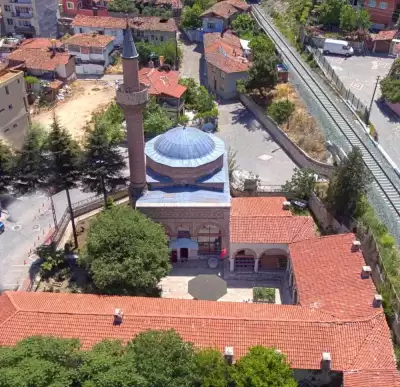
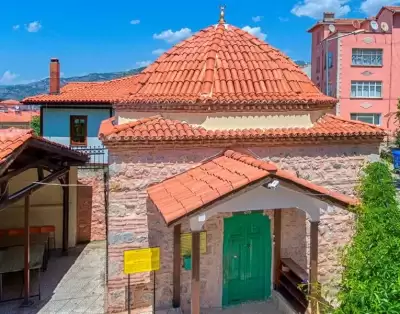
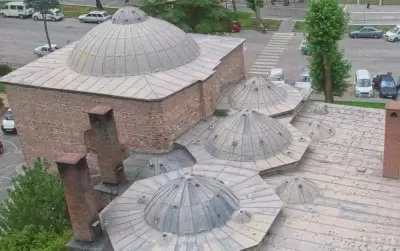
Located in Amasya's Yakutiye neighborhood, on Mustafa Kemal Boulevard parallel to the Yeşilırmak River, the Sabuncuoğlu Museum of Medical and Surgical History opens its doors in the historic Bimarhane building, which served as a darüşşifa (hospital) and madrasah centuries ago. Built during the Ilkhanate period in 1308-1309, the structure is the only surviving work from this era in Amasya. With its facade built of cut stones, cylindrical corner supports, and unique craftsmanship on the door keystone, the building also holds distinct architectural value.
Sabuncuoğlu Şerefeddin (1385-1470?), after whom the museum is named, is one of the most important figures in Ottoman medicine. Surgical instruments, miniature paintings documenting the treatment methods of the period, original manuscript books, and medicinal plants grown in the museum garden reveal the world of medicine from centuries ago to visitors. A portrait bust of Sabuncuoğlu Şerefeddin is also located in the museum garden; the central courtyard still evokes the original madrasah plan of the structure today.
Guide's Note

This structure, built as a darüşşifa in 1308 and converted into a museum in 2011, carries tangible traces of Ottoman medical history. Visitors can see rooms where music therapy was applied and surgical instruments belonging to the famous surgeon Sabuncuoğlu. Multiple visitors emphasize that the venue is a valuable stop for both medical history and Amasya's cultural heritage.
However, some issues have been noted during recent visits. In particular, the general maintenance of the museum and the neglected appearance of the plant specimens in its garden have been mentioned by multiple visitors. It has also been suggested that the garden should be arranged in a way that aligns with the museum's theme of herbal healing.
- Entrance fee: 80 TL is charged for civilian visitors; if you plan to visit multiple museums, it is recommended to calculate the total cost in advance.
- Maintenance deficiencies: Several visitors have noted that the venue generally appears neglected; it is reported that some have conveyed this issue to the staff.
- Garden: Despite the museum's theme of herbal medicine, it has been observed that the plant specimens in the garden are not displayed in a healthy manner.
The Healing Gate of History: The Story of Bimarhane
The building housing the Sabuncuoğlu Museum of Medical and Surgical History was constructed as a darüşşifa (hospital) and madrasah during the Ilkhanate period in 1308-1309. Its distinction as the only surviving work from the Ilkhanate period in Amasya multiplies its historical value. The structure has served various functions over centuries; it was also used as a bimarhane (mental hospital) for a period. Today, it has been transformed into a museum, becoming an important witness to Anatolian medical history.
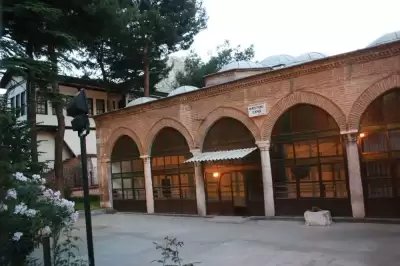
The front facade of the building is particularly noteworthy from an art historical perspective. The walls built of cut stones, cylindrical corner supports, and the unique craftsmanship on the door keystone elevate the structure to a special place within Amasya's architectural heritage. The central courtyard, encountered after passing through the entrance iwan, is the most prominent section where the madrasah plan scheme can still be discerned today.
When to Visit?
The ideal times to visit Amasya are the months of April-May and September-October. The weather is mild during these seasons; a walk along the Yeşilırmak River or towards the Pontus rock tombs after visiting the museum will be much more enjoyable. Amasya can be quite hot in the summer months; we recommend visiting the museum in the early morning during this period. In winter, visitor density decreases, allowing for a calmer touring experience.
Choosing the morning hours for an indoor museum visit provides both a bright and less crowded environment. Keep in mind that it might be a bit more crowded during weekday lunch hours, especially with school trip groups.
How to Get to the Museum?
The museum is located in the very heart of Amasya city center, on Mustafa Kemal Boulevard, which runs parallel to the Yeşilırmak River. It is possible to reach it by walking or a short taxi ride from almost any point in the city.
For those arriving by bus: Minibuses and dolmuşes operating from Amasya bus terminal to the city center pass along the Mustafa Kemal Boulevard route. For those arriving by car, parking is available nearby; however, as the center is busy, it is easier to find parking in the early morning. The museum is also within walking distance of other important Amasya attractions; Amasya Museum, the Yeşilırmak riverbank, and historical mansion houses are all in the immediate vicinity.
One-Day Itinerary Suggestion for Amasya
The Sabuncuoğlu Museum of Medical and Surgical History is a natural part of Amasya's rich cultural itinerary. You can start your day with the Pontus rock tombs and then proceed to the museum. After leaving the museum, you can take a short walk along the Yeşilırmak River to visit the Amasya Museum. The afternoon will leave you with ample time to explore the historical riverside houses and the Beyazıt Mosque.
You can allocate between 45 minutes to 1.5 hours for your visit to the museum; this duration is sufficient to carefully examine the exhibits and explore the garden. Thanks to Amasya's central location, it is possible to walk between all these points without using a car.
Photo Spots
The museum's entrance facade adorned with stone craftsmanship is a must-capture shot for photography enthusiasts. The unique motifs on the door keystone and the cylindrical corner supports offer impressive details for close-up shots. The central courtyard, reflecting symmetrical madrasah architecture, is ideal for wide-angle photographs.
The bust of Sabuncuoğlu Şerefeddin in the museum garden is also an interesting photo spot. Indoors, the display cases exhibiting surgical instruments and the sections with miniature paintings allow you to capture unique frames documenting medical history. Before noon, when natural light best illuminates the courtyard, is more advantageous for photography.
What to Eat Nearby?
The museum is located close to Amasya's most vibrant gastronomic area. Restaurants and small cafes lined along the Yeşilırmak River are convenient for a break after your visit. You can stop by restaurants in the city center to try local delicacies, especially Amasya's famous pottery kebab and Amasya apple.
Small artisan restaurants in the historical bazaar area offer both affordable and authentic dining experiences. Taking a tea or Turkish coffee break at the cafes along the Yeşilırmak River after leaving the museum also completes the Amasya experience.
Things to Know Before Visiting
Before visiting the museum, we recommend verifying the current operating hours and entrance fees from official sources; this information may change periodically. Due to the historical nature of the structure, some areas may have uneven flooring; choosing comfortable walking shoes will make your visit easier.
Please confirm the rules regarding photography inside the museum on-site. Allocating sufficient time for the medicinal plants in the garden and the indoor exhibits will make your visit much more productive. When considering other museums and historical structures in Amasya, don't forget to inquire about combined ticket options.
This content originates from neresigezilir.com.tr and may not be copied without permission.
Sabuncuoğlu Museum of Medical and Surgical History Videos
Sabuncuoğlu Museum of Medical and Surgical History videos load when you open this section to keep the page fast.
Show videos
FAQ
Updated: