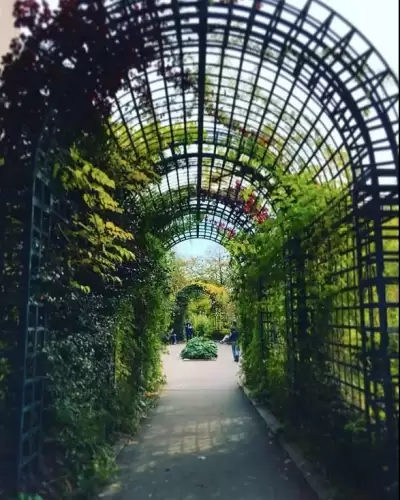
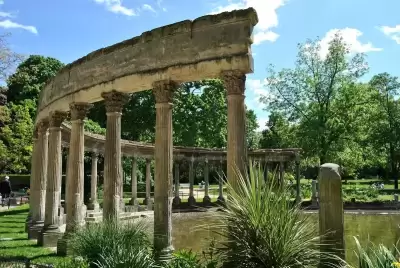
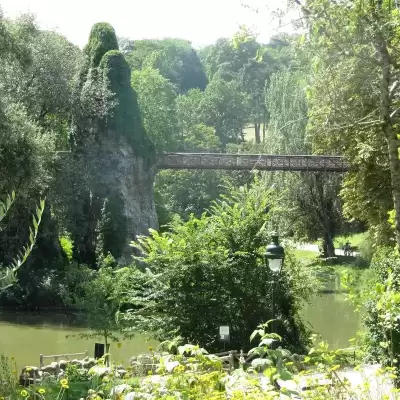
The Tuileries Garden is a 25-hectare free green space in the center of Paris, located between the Louvre Museum and Place de la Concorde. With its orderly paths, sculptures, and ponds, it is ideal for peaceful strolls and relaxation.
The Tuileries Garden is one of Paris's most iconic open spaces and is located in the city's most central area. Situated on the west side of the Louvre Museum, meeting Place de la Concorde at its eastern end, this 25-hectare garden offers a beautiful example of the Parisian lifestyle. With its orderly walking paths, sculptures, ponds, and vast lawns, it is an indispensable place for relaxation for both tourists and locals.
The garden's history has witnessed significant turning points in France. This area, where King Louis XVI and Marie Antoinette sought refuge during the French Revolution of 1789, has been at the center of Parisian life for centuries. Today, it awaits visitors with a colorful Christmas market in winter and entertainment areas in summer. Claude Monet's famous Water Lilies series at the Musée de l'Orangerie is also located near this garden.
Its walking distance to the city center makes it a preferred spot for many visiting the Louvre to take a break. You can find a calm atmosphere in the morning and a livelier one in the afternoon and evening.
Guide's Note

Current visitor reviews generally present a positive impression; the vast majority have rated it between 4 and 5 stars. Its characteristic as a large green area in the city center, with its ponds and tree-lined resting spots, stands out as a prominent feature. The garden is also found suitable for spending time with children, and several visitors stating that it offered an experience beyond their expectations indicates high overall satisfaction.
However, most of the comments are very short and consist of general statements; detailed feedback about specific features of the venue, services, or practical information is quite limited. Therefore, it may be useful to research current conditions separately before planning your visit.
It should be noted as a point of caution: almost all of the reviewed comments were written within the last 24 hours and with very similar expressions. This raises questions about the extent to which the comments reflect genuine visitor experiences. To get a healthier idea about the venue, we recommend reviewing more detailed evaluations from different periods.
Tuileries Garden: The Green Heart of Paris
Located right next to the Louvre Museum, stretching between Place de la Concorde and Place du Carrousel, the Tuileries Garden is one of Paris's most beloved green spaces. This massive 25-hectare area offers a captivating tranquility despite being right in the city center. A perfect blend of history, art, and nature, this garden allows you to experience Parisian life at its essence.
The garden is an important place that has directly witnessed French history. Even King Louis XVI and Marie Antoinette found refuge here during the 1789 Revolution. Today, it is an indispensable destination for both locals and travelers to relax between museum visits, read a book, or simply soak in the Parisian atmosphere.
Best Times to Visit
The Tuileries Garden is open year-round and has a different charm in every season. In spring and summer, the gardens come alive; sunbathing on the lawns, attending open-air concerts, or sitting with sodas are the most enjoyable experiences. Autumn is also wonderful for quiet strolls among the colorful leaves.
In winter, the garden transforms into a Christmas market and is filled with festivals. In summer, funfair areas may open. The best times are early mornings (especially weekdays) or when the sun begins to set; at these times, you can have a more peaceful experience away from the crowds.
Transportation and Access
Reaching by metro is the most practical way. The Tuileries station on Line 1 opens directly into the garden. Also, the Palais Royal Musée du Louvre station (Lines 1 and 7) is very close to the garden. You can easily get on and off with any metro card. It is also possible to reach the garden from the Champs-Élysées by walking through Place de la Concorde.
Walking through the historic entrances of the garden, passing through the wide central areas or paths, is completely free. No entry is required. If you are visiting the Louvre Museum, you can exit the museum and go directly into the garden. While it is possible to move around comfortably within the park, marking it on a map or Google Maps can facilitate your visit due to its large size.
How Many Days to Stay?
Allocating a few hours to the Tuileries Garden in a single day is sufficient. After spending a few hours at the Louvre Museum in the morning, using the garden for a lunch break and relaxation is an ideal itinerary. To fully explore the garden, see all the sculptures and corners, you should have 2-3 hours.
If you are staying in Paris for more than one day, I recommend visiting the garden at different times. Going once in the morning's tranquility and once more under the evening sun offers very different feelings. It is usually considered an intermediate stop in the center of a Paris itinerary, not a place that requires a full day to complete.
Accommodation Options
It is possible to dominate this area by staying right near the Tuileries Garden. There are boutique hotels and apartments near the garden in Palais Royal, Concorde, and the 1st Arrondissement. Although this area is a bit more expensive due to its proximity to the Louvre Museum, you can reach Paris's most symbolic areas on foot.
For a budget-friendly choice, the Marais district or hostels and cheap hotels on Rue Rivoli are also nearby. If you want to take advantage of the central location of the Tuileries Garden, plan to stay here for at least one night; this way, you can quickly return to the garden when you feel the urge.
Food and Drink and Services within the Garden
There are cafes and refreshing drink services at various points in the Tuileries Garden. You can find tea, coffee, lemonade, and light snacks at small kiosks within the garden. Picnicking is also a popular option; buying sandwiches, cheese, and fruit from nearby markets and consuming them in the garden is the best way to share a taste of Paris.
Around the garden, there are countless bistros, restaurants, and cafes on Rue de Rivoli and surrounding streets. Breakfast services can also be found in the garden of the Musée de l'Orangerie next to the Louvre. The garden is sufficient for a snack between meals, but for a full meal, you should prefer the surrounding restaurants.
Places to See within the Garden
At the heart of the garden lies the Musée de l'Orangerie; Claude Monet's famous Water Lilies series is housed here. This museum complements a garden visit. Sculptures and monuments scattered throughout the garden offer opportunities to discover historical details and take photos. The perspective from Place de la Concorde offers a postcard-perfect view.
The ponds and children's play areas at the western end of the garden are a nice intersection point for families. Benches and green areas along the walking paths are carefully designed. The central wide area, in particular, is one of Paris's most iconic photo spots; perfect frames can be captured here with the Louvre pyramid and surrounding architecture.
Best Spots for Photography
The central wide area of the garden is excellent for photographing the Louvre pyramid and its surroundings. In the early morning, when the light is soft and there are very few people, it appears more dramatic. From the angle taken from the Place de la Concorde side, the garden and the distant Eiffel Tower can be aligned.
Close-ups taken among the sculptures are suitable for detailed photographs. The garden's flowers, especially in spring and summer, form a natural backdrop. Portraits taken under the evening sun, in the bench and tree-lined areas, reflect the myth of Paris in the most beautiful way.
Shopping and Souvenirs
Right next to the Tuileries Garden, the Rue de Rivoli and Concorde area is a shopping paradise. International brand stores, luxury boutiques, and souvenir shops can be found. The official gift shop of the Louvre Museum is also close to the garden and offers quality products related to artworks.
Within and very close to the garden, only simple picnic supplies and drinks are sold. For serious shopping, you need to go to Rue de Rivoli. Paris's most famous brand stores are concentrated here. However, if you plan to get lost in the garden's atmosphere for hours, you can buy simple souvenirs from the small kiosks located here and there.
Budget Planning
The Tuileries Garden is completely free; no entrance, no extra fees. If you are not visiting the Louvre Museum, the money you can spend on the garden is very little. A coffee at cafes around the town costs 3-5 euros, light snacks range from 5-8 euros. Picnic supplies can be found cheaply at supermarkets.
If you want to see the Musée de l'Orangerie, you should calculate the ticket price (check the official website for current prices). A garden visit alone is a budget-friendly activity. If you combine it with a Louvre tour, a day's central Paris spending remains reasonable.
Things to Know During Your Visit
Since the garden is large, comfortable shoes are important. On sunny days, carry sunscreen and a hat; shaded areas may be limited. Opening hours may vary by season; adjust your timing by checking reception or online. Due to early darkness in winter, night excursions can be risky.
Keep valuable items in sight within the garden; tourist materials like maps can easily get lost. Follow the weather forecast; the weather in Paris can change rapidly. Bring an umbrella if rain is likely. There are very few toilets in the garden, so it's good to plan for this.
Suggested One-Day Itinerary
Enter the Louvre Museum early in the morning at its opening time (usually 09:00). After exploring the museum's main collection for 2-3 hours, head to the Tuileries Garden for a lunch break and relaxation. Sit in the middle of the garden and have a picnic or relax at a cafe. Then visit the Musée de l'Orangerie (1-2 hours).
In the afternoon, take a leisurely stroll through the garden, discovering the sculptures. As evening approaches, head towards Place de la Concorde; watch the sunset. Choose one of the restaurants around the garden for dinner. If you are not too tired, you can return for the illuminated Louvre pyramid and the garden at night.
This content originates from neresigezilir.com.tr and may not be copied without permission.
Tuileries Garden (Jardin des Tuileries) Videos
Tuileries Garden (Jardin des Tuileries) videos load when you open this section to keep the page fast.
Show videos
FAQ

Updated: