Experience a rich travel adventure starting from the heart of Istanbul and extending to the Bosphorus shores with this specially prepared itinerary for those who will spend two days in Istanbul. Witness Istanbul's unique atmosphere while exploring many important points, from Byzantium to the Ottomans, from museums to historical pavilions.
Istanbul is a captivating city where every corner smells of history and every street tells a different story. If you have two days and want to see both the historical fabric and the more modern face of this enormous metropolis, I have prepared a wonderful itinerary for you. With this trip covering a total of 10 stops, you will experience a rich cultural feast extending from Byzantium to the Ottomans.
Istanbul Archaeological Museums
We start our trip with the Istanbul Archaeological Museums, located in the heart of Sultanahmet, right next to Gülhane Park. This is actually a massive complex consisting of three separate museums: the Archaeology Museum, the Museum of the Ancient Orient, and the Tiled Kiosk. You can see works that have left their mark on world history, from the Kadesh Treaty to the Sarcophagus of Alexander. Especially the details of the Sarcophagus of Alexander and the works representing the pinnacle of Ancient Greek sculpture are among the sections that impress visitors the most. I recommend allocating at least 1-2 hours here.
Tiled Kiosk
The Tiled Kiosk, located within the Istanbul Archaeological Museums complex, was built by Fatih Sultan Mehmet in 1472 and is the city's oldest Ottoman civil structure. Its facade, adorned with turquoise and navy blue tiles, will immediately catch your eye. This iwan-style building, bearing the influences of Seljuk architecture, carries traces of Central Asian housing tradition. You can get lost in the magic of the tiles by spending about half an hour here.
Museum of the Ancient Orient
Also located within the Istanbul Archaeological Museums complex, the Museum of the Ancient Orient, as its name suggests, sheds light on the ancient civilizations of the Near East. This museum, full of cuneiform tablets from Mesopotamia, Egyptian mummies, and artifacts from the pre-Islamic Arabian Peninsula, will take you into the depths of history. The building itself, designed by Osman Hamdi Bey, is also worth seeing. About 1 hour will be sufficient here.
Basilica Cistern
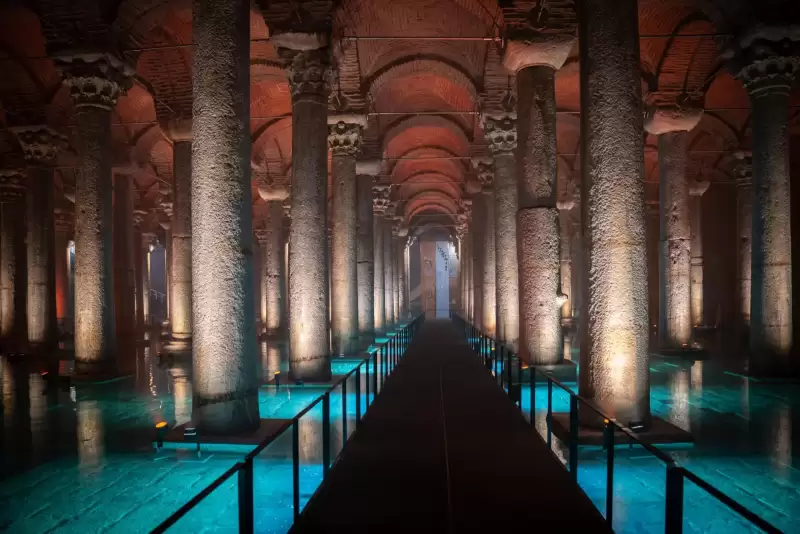
The Basilica Cistern, a Byzantine marvel hidden underground in the Historical Peninsula, is a massive water reservoir dating back to the 6th century. The 336 marble columns and mysterious Medusa heads that greet you when you step inside are truly impressive. The cool and mystical atmosphere of the cistern, reopened after its latest restoration, leaves a strong impression on visitors. You can experience both a historical and visual feast by allocating 1-1.5 hours here.
Great Palace Mosaic Museum
This small but valuable museum, hidden within the Arasta Bazaar right next to the Blue Mosque, houses mosaic floor pavements dating to the 5th and 6th centuries AD, belonging to the Great Palace of the Byzantine Empire. Adorned with hunting scenes and mythological figures, these mosaics are among the finest examples of Byzantine civil art. Although this is often an overlooked place, you can witness this unique piece of history with a half-hour visit.
Military Museum and Cultural Center Command
We start our second day with the Military Museum in Harbiye. This is one of the world's leading museums, exhibiting Turkish military history from the Ottomans to the Republic with over 55,000 artifacts. It houses many important works, from Atatürk's classroom to the Cyprus Peace Operation collection. Although the museum is closed due to restoration, its magnificent architecture is worth examining from the outside. You can allocate approximately 1.5 hours here.
Atatürk Museum (Museum of Revolution) – Şişli, Istanbul
The Atatürk Museum, located on Halaskargazi Street in Şişli, is one of the houses where Mustafa Kemal Atatürk stayed before departing for Samsun. The historical importance of the building is great because the first preparations for the National Struggle were made here. This museum, full of Atatürk's personal belongings, uniforms, and documents from the National Struggle period, is truly a living witness to history. You should allocate approximately 1.5 hours to visit here.
Ihlamur Pavilions
Hidden in the valley between Beşiktaş and Nişantaşı, the Ihlamur Pavilions are an elegant Ottoman-Baroque building complex built during the reign of Sultan Abdülmecid. With its Ceremony and Retinue Pavilions and a garden surrounded by centuries-old linden trees, it is truly an island of peace in the middle of the city. Visitors particularly enjoy the interior spaces of the pavilions and their well-maintained gardens. You can spend 1-1.5 hours here pleasantly.
Yıldız Clock Tower
The Yıldız Clock Tower, within walking distance of the Ihlamur Pavilions, is part of the Yıldız Palace complex. This approximately 20-meter Neo-Gothic tower, built in 1890 during the reign of Sultan Abdülhamit II, rises in the southwest corner of the Yıldız Mosque courtyard. You can examine this structure, which stands out with its elegance in stone craftsmanship and architectural details, for about half an hour.
Dolmabahçe Clock Tower
Our last stop, the Dolmabahçe Clock Tower, rises on the Beşiktaş coast in front of the Imperial Gate of Dolmabahçe Palace. This 27-meter Neo-Baroque tower was built between 1890-1895 by architect Sarkis Balyan. With its elegant silhouette combined with the Bosphorus view, it is a beautiful example of both history and architecture. You can spend about half an hour here taking photos.
Throughout this two-day itinerary, you will have made a rich historical and cultural journey from the heart of Istanbul to the Bosphorus shores. On the first day, you can visit places within walking distance in Sultanahmet, while the second day offers more scattered but close-by points that you can reach by public transport or taxi. For lunch, you can try traditional delicacies in Sultanahmet, and on the second day, you can prefer modern cafes in and around Beşiktaş. I wish you a pleasant discovery of Istanbul!
This content originates from neresigezilir.com.tr and may not be copied without permission.
Places in This Article
Places to visit mentioned in this article

Quincentennial Foundation Museum of Turkish Jews
Located in the historical fabric of Galata, within the 15th-century Zülfaris Synagogue, the …
Adam Mickiewicz Museum
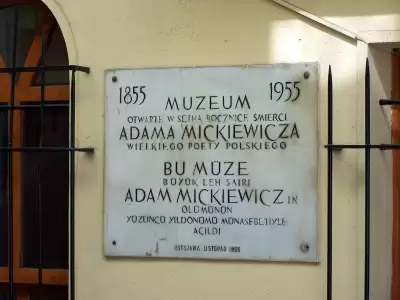
Hidden in the historic streets of Beyoğlu, this small museum preserves the traces of the Pol…

European Capital of Culture Population Exchange Museum
The Population Exchange Museum, established in a historical building in Istanbul's Çatalca d…

Museum of Lighting and Heating Collections Through the Ages
Established in a restored 19th-century mansion in Beykoz, Istanbul, this unique museum showc…
Çemberlitaş Hamam
Built in 1584, Çemberlitaş Hamamı is one of the rarest examples of Ottoman architecture attr…
Doğançay Museum
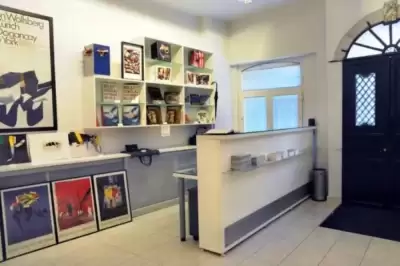
Located on Balo Street, near Istiklal Avenue in the heart of Beyoğlu, the Doğançay Museum ho…
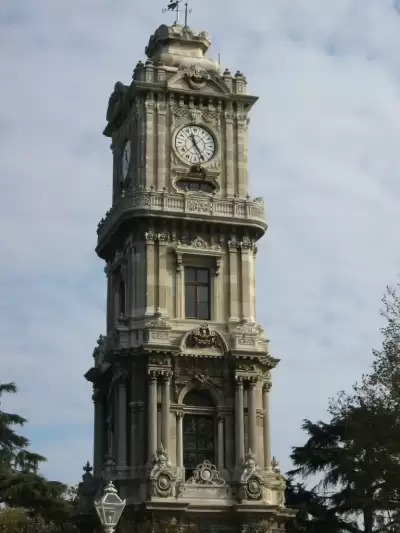
Dolmabahçe Clock Tower
Rising 27 meters high on the Beşiktaş coast, in front of the Imperial Gate of Dolmabahçe Pal…
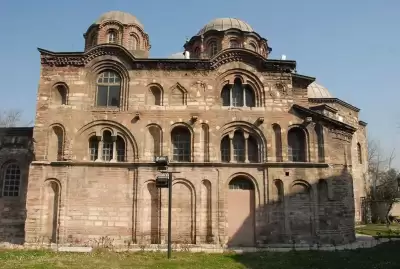
Fethiye Museum (Pammakaristos Monastery)
Hidden in Istanbul's Fatih-Çarşamba district, Fethiye Museum is the former Pammakaristos Mon…

Hilmi Nakipoğlu Museum of Photographic Cameras
Turkey's first camera museum, the Hilmi Nakipoğlu Museum of Photographic Cameras, was establ…
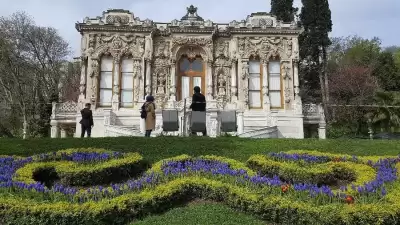
Ihlamur Pavilions
Hidden in the green valley between Beşiktaş and Nişantaşı, the Ihlamur Pavilions are an eleg…

Istanbul Archaeological Museums
Located in the heart of Sultanahmet, right next to Gülhane Park, the Istanbul Archaeological…

Istanbul Museum of Photography
Located in a historic building in Kadırga, the Istanbul Museum of Photography is one of Turk…

Istanbul Air Force Museum
Located right next to the military airport in Yeşilköy, the Istanbul Air Force Museum houses…
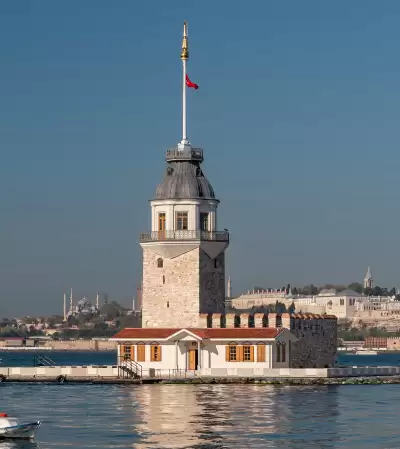
Maiden's Tower
Rising on a small islet off the coast of Üsküdar in the Bosphorus, the Maiden's Tower is one…
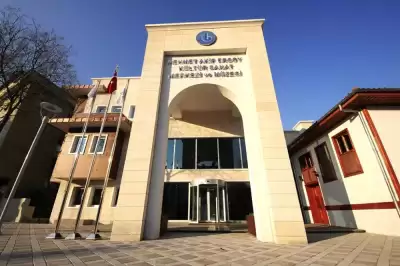
Mehmed Akif Ersoy Culture and Art Center and Museum
Located in Bağcılar, Istanbul, this center is a multifunctional cultural and art venue dedic…

Mihrişah Sultan Fountain (Küçüksu)
Built in 1806 by Selim III in Beykoz for his mother Mihrişah Sultan, this square fountain is…

Nevşehirli Damat İbrahim Pasha Mosque
Located in Istanbul's Şehzadebaşı district, this simple and unique mosque, built in 1720 by …

Sadi Tekkesi Kuvay-i Milliye Museum
A thematic museum complex in Samsun's İlkadım district, bearing the traces of the Turkish Wa…

Sait Faik Abasıyanık Museum
In the quiet streets of Burgazada, the mansion where Sait Faik Abasıyanık, the beloved story…
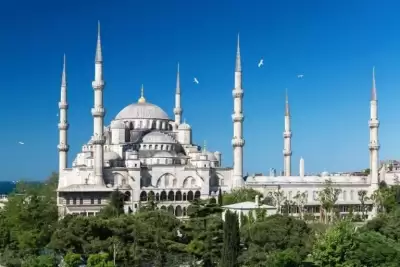
Sultanahmet Mosque
Istanbul's six-minaret mosque, known for over 20,000 Iznik tiles in its interior. Entry is f…
Bu yazıyı paylaş