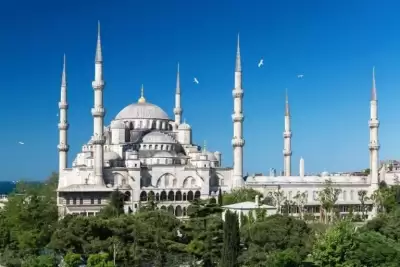
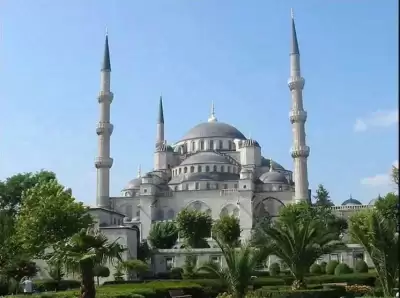
The New Mosque, located in Eminönü, is the last grand imperial mosque built by the Ottoman dynasty in Istanbul, with its foundation laid in 1597 and completed in 1665; it stands out with its 36-meter-high dome and Iznik tiles.
Despite the word “new” in its name, the New Mosque is over four centuries old and is one of Istanbul's most recognizable landmarks. Its foundation was laid in 1597 by Architect Davud Ağa, by order of Safiye Sultan; however, construction was repeatedly interrupted due to political turmoil, plague epidemics, and changes in architects. The structure could only be completed in 1665 through the determined initiative of Turhan Hatice Sultan and was opened for worship during the reign of Mehmed IV.
Bearing the characteristics of the mature period of Ottoman classical architecture, the mosque continues to fascinate visitors with its 36-meter-high main dome, two minarets each with three balconies, and an interior adorned with rich Iznik tiles. The sultan's pavilion located in the southeast corner reveals the mosque's deep connection with the palace. The structure, which is part of the same complex as the Spice Bazaar, also known as the Egyptian Bazaar, has become an indispensable element of Eminönü Square.
Related discoveries: Places to visit in Istanbul, Religious Sites, Istanbul religious sites, Bebek Coast.
Guide's Note

History of the New Mosque: A Long-Lasting Construction Journey
The story of the New Mosque goes far beyond a typical construction process. Its foundation was laid in 1597 at the request of Sultan Murad III's wife, Safiye Sultan, and the mosque is truly a monument of patience and will. With the dismissal of its first architect Davud Ağa, followed by Dalgıç Ahmed Ağa taking over the task, and Safiye Sultan losing her power, construction effectively ceased in 1603. The structure remained a mere skeleton for approximately sixty years, blending into the city's daily life as a strange sight during this period.
The mosque only came to life with the intervention of Turhan Hatice Sultan. Turhan Sultan, mother of Mehmed IV, restarted construction after a major fire devastated Eminönü in 1660 and had the complex completed in 1665. Thus, the last grand imperial mosque commissioned by the Ottoman dynasty in Istanbul opened its doors after a delay of exactly 68 years. This long construction period gave the structure a unique character, bearing traces of different eras.
Architectural Features: The Mature Period of Ottoman Classicism
The New Mosque embodies the most distinctive features of Ottoman classical architecture. The main dome has a diameter of approximately 17.5 meters and an external height of 36 meters. The semi-domes and corner domelets supporting this main dome add both strength and elegance to the structure. The two minarets, each with three balconies, adorning the facade have become one of the most recognizable elements of Istanbul's skyline.
Upon entering the interior, the Iznik tiles, pen work, and wooden decorations that greet you reveal the intricate aesthetic understanding of Ottoman art. The sultan's pavilion in the southeast corner of the mosque is an important structural element that allowed sultans to access the mosque through a private passage, symbolizing the bridge between the palace and the religious site. The structure, which uses granite and marble materials together, combines both durability and visual richness.
When to Visit?
The most suitable seasons to visit the New Mosque are spring (April-May) and autumn (September-October). During these periods, the weather is ideal for photography, and crowds are relatively more manageable. In summer, Eminönü Square can be very crowded due to tourist density; arriving early in the morning during this period offers a great advantage.
In terms of time of day, visits made immediately after the morning prayer offer both a quiet interior experience and a calm atmosphere before the square becomes bustling. Since tourist entry may be temporarily restricted during noon and afternoon prayer times, it is advisable to plan your visit considering prayer schedules. The mosque is busy around noon on Fridays; you may want to avoid planning a visit at this time.
How to Get to the New Mosque?
Tram is the most practical option for transportation. Take the T1 line and get off at the Eminönü stop; the mosque is directly across the square, within a few minutes' walking distance. For those using Marmaray, a walk of approximately 5 minutes from Sirkeci Station is sufficient.
Buses from different districts on the European side also terminate in Eminönü; therefore, direct access is possible from many points of the city. For those arriving by ferry, Eminönü Pier is within walking distance of the mosque; there are regular services from Kadıköy, Üsküdar, and the Princes' Islands. While paid parking options are available in the area for those arriving by car, public transport will always be a smarter choice given Eminönü's heavy traffic.
Eminönü Itinerary Suggestion: Tracing History in One Day
The New Mosque is located in the center of Eminönü's rich historical fabric, so it can easily be visited along with other important nearby sites in a single day. Start your day with an early morning visit to the New Mosque; then explore the adjacent Spice Bazaar, delving into the fascinating world of spices, nuts, and traditional Istanbul delicacies.
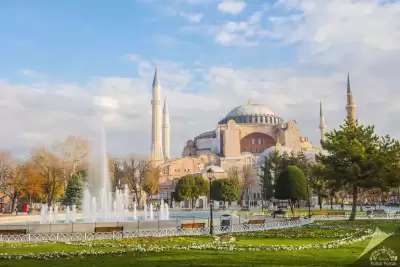
Before noon, walk to the Rüstem Pasha Mosque; this small but extremely impressive structure within the bazaar is perhaps the mosque with the most intense tile decoration in Istanbul. For lunch, you can stop by Eminönü's famous fish sandwich boats or the long-established restaurants in the vicinity. In the afternoon, take the tram a few stops to Topkapı Palace and Hagia Sophia to continue your journey into the heart of the historical peninsula.
What to Eat, Where to Eat Nearby?
Eminönü Square, right in front of the New Mosque, offers one of Istanbul's most iconic street food experiences: balık ekmek (fish sandwich). Prepared with freshly grilled fish on boats over the bridge or at stalls in the square, this sandwich is one of the city's indispensable delicacies. It pairs perfectly with a glass of turnip juice (şalgam suyu) or ayran.
Inside and around the Spice Bazaar, there are dozens of shops selling nuts, Turkish delight, spices, and cheese; it's a great stop for both shopping and tasting. You can also try classic Istanbul home-cooked meals at the long-established restaurants around the bazaar. For dessert, Turkish baklava and kadayıf await you at Eminönü's historic patisseries.
Photo Spots: Where to Take the Best Shots?
The New Mosque is one of those rare structures that holds photographic value from every angle. Wide-angle shots taken from Eminönü Square capture the two minarets and the main dome in all their glory, with the Golden Horn in the background. The light obtained in the early morning or at sunset dramatically reveals the texture of the stone surfaces and the volume of the dome.
When viewed from the Galata Bridge, the mosque is framed as part of the Golden Horn and Istanbul's skyline; this angle is ideal for long exposure experiments. Inside, close-ups of the tile panels and symmetrical compositions looking up towards the dome yield impressive results. It is always a priority to be mindful when taking photos during prayer times and to show respect to those worshipping.
Things to Know Before Your Visit
The New Mosque is an active place of worship; therefore, some rules must be followed during your visit, both out of respect and necessity. You must remove your shoes when entering the mosque; shoe bags or racks are available at the entrance. Female visitors are expected to cover their heads; if you don't have a headscarf, one can usually be borrowed at the entrance. Shoulders and knees must be covered; you may not be allowed in with short shorts or sleeveless clothing.
During prayer times, tourist entry to the interior may be temporarily stopped; this period usually does not exceed 15-20 minutes. Avoiding noise, silencing your phone, and not walking in front of worshippers are among the basic etiquette rules. The visit is completely free; no ticket or Museum Pass is required.
Shopping Nearby: Spice Bazaar and Beyond
The Spice Bazaar (Egyptian Bazaar), which is part of the same complex as the New Mosque, is one of Istanbul's oldest and most vibrant covered markets. Completed in the 1660s, this bazaar houses dozens of shops selling spices, Turkish delight, nuts, medicinal herbs, cheese, and traditional souvenirs. To avoid tourist prices, it's useful to prefer the smaller merchants in the inner corridors of the bazaar and not hesitate to bargain.
Outside the Spice Bazaar, in the streets around Eminönü and Tahtakale, it is possible to find all kinds of wholesale and retail products. These narrow streets turn into an open-air market for kitchenware, textiles, electronic accessories, and local handicrafts. For those looking for a much more local and authentic shopping experience than the Grand Bazaar, the Eminönü area is always a good alternative.
New Mosque (Valide Sultan Mosque) — Istanbul Videos
New Mosque (Valide Sultan Mosque) — Istanbul videos load when you open this section to keep the page fast.
Show videos
FAQ

Updated: