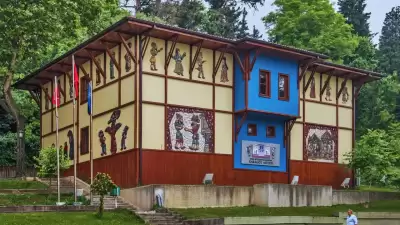
Bursa Archaeology Museum, founded in 1904 and located in Reşat Oyal Culture Park, houses approximately 25,000 artifacts from 3000 BC to the Byzantine period, belonging to the Bithynia and Mysia regions; admission is free.
Bursa Archaeology Museum ranks among Turkey's oldest archaeological museums, following those in Istanbul and Konya. The museum, which began operations in 1904 as a branch of the Imperial Museum (Müze-i Hümayun), moved to its modern building within Reşat Oyal Culture Park in 1972. With an exhibition area of approximately 3,500 square meters, the museum comprises an art gallery, a ceramics-glass and metal artifacts hall, a coin and prehistoric artifacts hall, and a stone artifacts hall; it hosts a rich collection obtained from excavations carried out in the Bithynia and Mysia regions.
The heart of the collection spans a wide period, starting from the prehistoric era dating back to 3000 BC, extending through the Roman, Byzantine, and early Ottoman periods. Sarcophagi unearthed from Bursa excavations, İznik finds, and a coin collection unique to the region are among the museum's prominent pieces. Considering that only about 2,000 of approximately 25,000 artifacts are exhibited, the magnitude of the wealth in storage is better understood. Since admission is free, it is a must-visit stop for every history enthusiast visiting Bursa.
Related discoveries: Places to visit in Bursa, Museums, Bursa museums, Bursa Grand Mosque.
Guide's Note

Get to Know the Museum: A Glimpse into History
Bursa Archaeology Museum opened its doors in 1904 as a branch of the Imperial Museum (Müze-i Hümayun), the central museum of the Ottoman period. Established after Istanbul and Konya, this museum continues to hold its place among Anatolia's most established archaeological institutions today. Moved to its modern building within Reşat Oyal Culture Park in 1972, the museum has since remained a popular destination for both locals and visitors.
The museum's collection primarily consists of artifacts gathered from the ancient Bithynia and Mysia regions. Approximately 2,000 of the 25,000-piece inventory are exhibited in the art gallery, ceramics-glass and metal artifacts hall, coin and prehistoric artifacts hall, and stone artifacts hall. The remaining thousands of artifacts are preserved in storage, awaiting researchers and future exhibitions.
When Should You Visit?
The museum is quite calm on weekday mornings; during these hours, you will have the opportunity to examine the artifacts at your own pace without crowds. Visitor density may increase on weekends and school holidays. In summer, the museum offers a refreshing escape from Bursa's heat; combined with the shady paths of the culture park, you can have a truly enjoyable day.
Spring and autumn are the most ideal seasons for both the museum and the adjacent Culture Park. Since the museum may be closed on the first day of religious holidays, it is recommended that those planning a visit during these periods confirm in advance. As the museum opens its doors at 08:00 AM, arriving early in the morning makes it easier to allocate time for other places during the day.
How to Get to the Museum?
The museum is located within Reşat Oyal Culture Park, quite close to the center of Bursa. Those traveling by BursaRay can get off at the nearest stop and reach the museum with approximately a 10-minute walk. Many municipal buses departing from different parts of the city also serve the area around Culture Park.
For those coming by private car, parking is available around Culture Park; however, finding a parking spot can be difficult on weekends and holidays. Taxis or app-based ride-hailing services are also practical alternatives to reach the museum. Thanks to the extensive green areas of Culture Park, walking to the museum can also turn into an enjoyable experience in itself.
Best Spots for Photos
The museum's stone artifacts hall is one of the most photogenic areas, where light falls naturally, and ancient reliefs can be documented in all their details. The sarcophagus collection offers impressive shots both in terms of their size and the craftsmanship on them; a wide-angle lens is very useful in these halls.
Outside the museum building, the walking paths and landscaping within Culture Park also provide a beautiful background for photos. When photographing the showcases in the coin hall, using a polarizing filter or angled shooting technique to minimize glass reflections significantly improves the results. The natural light entering the museum in the morning creates the softest atmosphere in the exhibition halls.
What to Eat and Where After Your Visit?
The museum is located near one of Bursa's most gastronomically rich neighborhoods. Cafes and tea gardens within Culture Park can be the first choice for relaxing after your visit. Along Çekirge Street and its surroundings, you'll find established restaurants serving İskender kebap, a symbol of Bursa cuisine.
For those who want to try local delicacies unique to Bursa, such as candied chestnuts and candır cheese, small shops around Culture Park are a good starting point. You can also explore traditional eateries around Kapalıçarşı (Grand Bazaar) and Emir Han by taking a short trip to the historical bazaar area.
Suggested Itinerary to Combine with the Museum in Bursa
Bursa Archaeology Museum is a strong starting point for those wishing to explore the city's cultural heritage. After visiting the museum, you can easily continue your day with a short walk within Culture Park. From here, you can proceed to the Çekirge district to see the historic thermal baths and the Muradiye Complex.
On the other hand, the trio of Ulu Cami (Grand Mosque), Kapalıçarşı (Grand Bazaar), and Emir Han in Osmangazi district reveals the Ottoman heritage that complements the historical context of the archaeology museum. For an itinerary that comfortably covers all these points in one day, starting early with the museum in the morning, moving to the historical bazaar in the afternoon, and crowning the evening with a view of Uludağ makes for a good plan.
Budget Planning
Admission to Bursa Archaeology Museum is completely free, and Museum Card holders can also benefit from this advantage. Visiting one of the city's richest cultural museums without paying any fee makes Bursa stand out as a budget-friendly cultural destination.
For transportation, BursaRay and municipal buses offer economical options. Tea gardens and cafes within Culture Park are reasonably priced. On the other hand, restaurants in the historical bazaar area offer a wide price range; it is possible to have lunch at both affordable eateries and established İskender kebap restaurants. Your daily budget will largely be determined by food, drink, and transportation; museum expenses are not included.
Things to Know Before Your Visit
Although admission to the museum is free, remember that it may be closed on the first day of religious holidays; confirming whether the museum is open on these days will prevent wasted time. Since opening hours are between 08:00 AM and 05:00 PM, visitors arriving late in the afternoon may not find enough time.
While photography is generally allowed inside the museum, it is necessary to follow the staff's guidance regarding flash use and tripods. Since most of the collection is displayed in showcases, not touching the artifacts is a basic rule. As the museum building is within Culture Park, it is recommended to come in light and comfortable clothing, especially in summer.
Bursa Archaeology Museum Videos
Bursa Archaeology Museum videos load when you open this section to keep the page fast.
Show videos
FAQ

Updated: