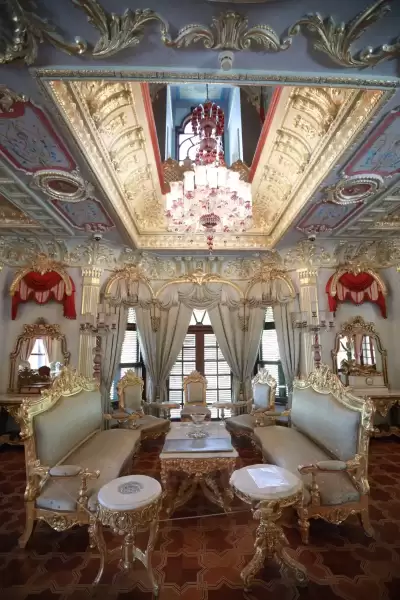
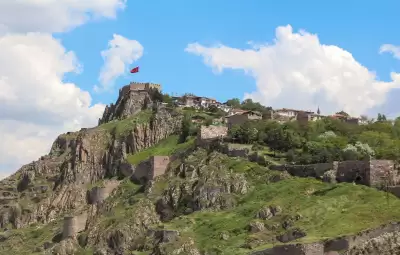
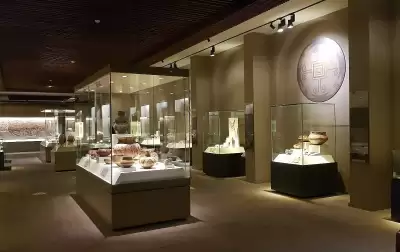
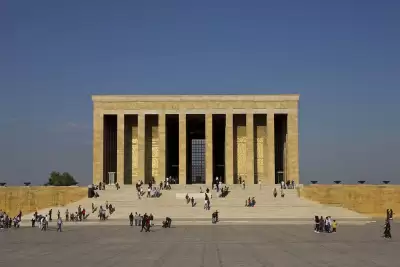
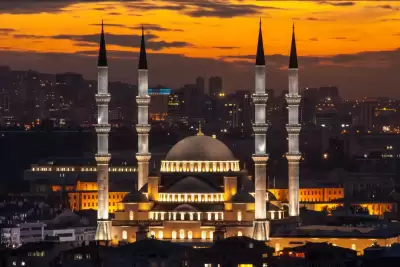
The Ankara Ethnography Museum, built in Sıhhiye in 1925-1926, is Ankara's first museum; it exhibits Anatolian handicrafts, manuscripts, and Sufi objects.
The Ankara Ethnography Museum was brought to life as the capital's first museum during the founding years of the Republic of Turkey, by the instruction of Mustafa Kemal Atatürk. Construction began in 1925 and was completed in 1926. The building, located in the Altındağ district on a slight elevation near Sıhhiye, creates a dominant silhouette over the city. The 28-step staircase leading up to the building offers visitors a unique experience even before entering the museum.
At the core of the collection are tangible traces of Anatolia's daily and ceremonial life: examples of woodworking, traditional handicrafts, manuscripts, the history of toys, and a special hall dedicated to Hacı Bayram-ı Veli and the Sufi tradition are among the most prominent. The museum is more than just an exhibition space; it is a symbolic institution that undertook the mission of preserving and transmitting cultural memory during the nation-building process. Visitors exploring this small but incredibly rich structure encounter invaluable details about the value system of the Anatolian people.
Related discoveries: Places to visit in Ankara, Historical Places, Historical places in Ankara, Wonderland.
Guide's Note
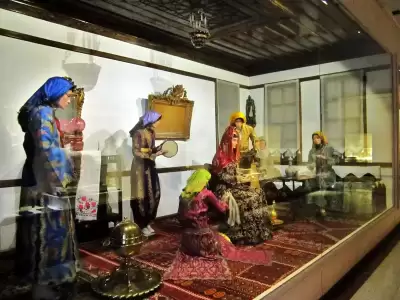
The Ankara Ethnography Museum stands out as a museum that presents works of Turkish-Islamic culture and Anatolian traditions, with a relatively short visit duration. Visitors find the collections related to Sufism, the Ottoman period, and earlier history, as well as doors, mosque pulpits, calligraphy, and wooden furniture brought from various regions of Anatolia, particularly striking. The fact that the museum was temporarily used as Atatürk's resting place for a period also adds a special meaning to the venue.
From a practical perspective, several conveniences are noticeable: entry with MuseumPass is possible, and it can be visited together with the Museum of Painting and Sculpture right next door. There is a cafe in the garden where you can sit under the trees. The staff is also highlighted by multiple visitors as being friendly and professional. Furthermore, the 12,000-year-old jewelry exhibition is noted to be particularly interesting.
- Weekend crowds: The museum can get quite crowded on weekends when school trips are frequent.
- Collection expectation: Some visitors express that they expected more artifacts inside; they state that the collection is more limited compared to comprehensive museums like the Museum of Anatolian Civilizations or the Museum of Painting and Sculpture.
When to Visit?
The most enjoyable time to visit the museum is during April-May and September-October. In these months, you can comfortably explore both the museum and its historical surroundings without dealing with Ankara's harsh summer or cold winter. Although the museum interior is cool in mid-summer, the heat outside can be tiring, especially when climbing the 28-step staircase.
Visitor numbers significantly increase on weekends and school holidays. If you prefer a calmer experience, it would be wise to choose weekday mornings. Since the museum is closed until noon on the first day of religious holidays, we recommend adjusting your schedule accordingly if your travels coincide with these dates.
How to Get to the Museum?
The Ankara Ethnography Museum is located in the heart of the city, in the Sıhhiye district, just below Numune Hospital. If you are starting from Kızılay, you can reach the museum with approximately a 10-15 minute walk; this route is both short and pleasant.
For those preferring public transport, Sıhhiye metro station is the most practical option. Bus lines stopping at Yenişehir station will also drop you off close to the museum. Those arriving by private car can use the street parking areas nearby; however, finding parking in this area can be difficult during peak hours. Access can also be easily provided by taxi or app-based ride services.
Museum Halls and Collection
Despite being a relatively small structure, the museum houses extremely rich halls. The Woodwork Hall draws attention with its door wings, chests, and furniture reflecting Anatolia's master craftsmanship. The Hacı Bayram-ı Veli and Sufi Works Hall is a unique section dedicated to Ankara's spiritual heritage.
Manuscript books and documents are exhibited in the Manuscript Hall. The Power and Authority Hall brings together symbols of governance from the Ottoman period to the Republic. In addition, the museum also features original examples from the thousands of years of toy history; this section is of great interest especially to families with children and educators. The garden area and mausoleum section are also integral parts of the visit route.
Photo Spots
The most impressive photo spot of the museum is undoubtedly the 28-step monumental staircase. This staircase, combined with the white-fronted building, offers an extremely powerful composition, especially in the morning light. It is possible to frame the entire facade with a wide-angle lens.
The museum garden also creates a suitable environment for photography with its greenery and historical atmosphere. Indoors, the texture of wooden artifacts and the intricate craftsmanship of manuscripts contain inspiring details for close-up photography. Be prepared to work with natural light, keeping in mind that flash use may be restricted.
Budget and Ticket Information
The Ankara Ethnography Museum is a budget-friendly cultural stop with its affordable entrance fee and MuseumPass compatibility. MuseumPass holders can enter the museum for free, while a discounted ticket option is offered for students. A fee equivalent to approximately 4 Euros is applied for foreign visitors; however, we recommend confirming the current price before your visit, as this figure may change.
Since the museum is within walking distance of Kızılay, transportation costs can also be kept quite low. Affordable food and drink options are also available in the vicinity; thus, those planning a full-day cultural tour can easily keep their budgets under control.
Things to Know Before Your Visit
Since there is a 28-step staircase at the entrance to the museum, visitors with mobility limitations are advised to contact the museum in advance. Visiting with a stroller may also be difficult for this reason.
Flash use may be restricted indoors; it is advisable to get approval from museum staff before taking photos. The museum is closed until noon on the first day of religious holidays; arrange your schedule accordingly for visits coinciding with these dates. Since opening hours vary between summer and winter periods, we recommend confirming current hours via muze.gov.tr or by phone (+90 312 311 30 07) before your visit.
Ankara Ethnography Museum Videos
Ankara Ethnography Museum videos load when you open this section to keep the page fast.
Show videos
FAQ

Updated: